


Contents
- 1.0 Introduction
- 2.0 Waste management
- 3.0 High Heavens Waste Transfer Station 3.1 Background 3.2 Waste inputs 3.3 Waste outputs 3.4 Waste transfer 3.5 Environmental management 3.6 Complaints
- 4.0 Greatmoor EfW 4.1 Background 4.2 Waste inputs 4.3 Waste outputs 4.4 Environmental management 4.5 Complaints
1.0 Introduction
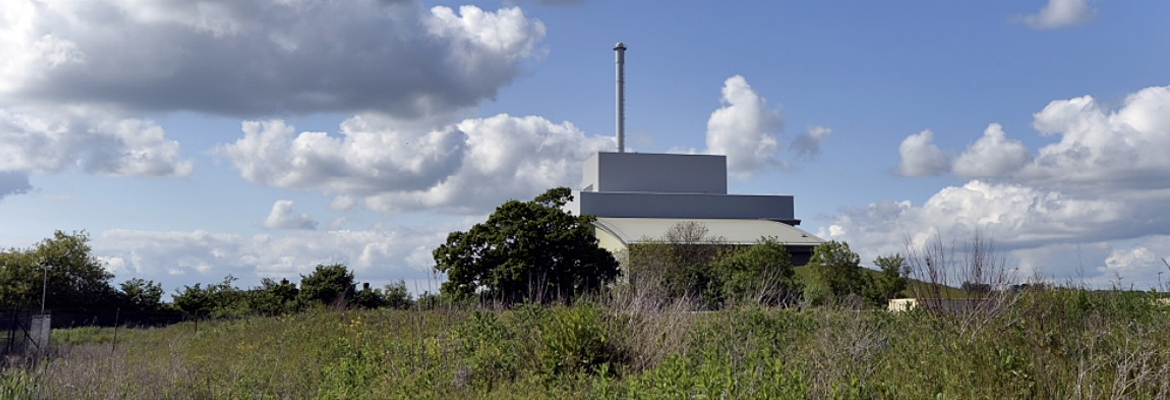
Buckinghamshire Council Waste Management Project
Annual Service Report
Contract Year 8
1st April 2023 – 31st March 2024
A challenging year defined by ongoing issues with the Bottom Ash Extractor in particular. The plant did not meet the base case assumptions for waste burnt however did still manage to exceed megawatts of electricity generated.
Additionally, the sustained elevated price of electricity coupled with a prudent hedging strategy has resulted in over performance when compared to base case revenue generation.
There were 18 significant periods of forced-outage during this contract year; resulting in 41 days and 6 hours of lost availability (excluding the planned outage which was an additional 21 days) from 9 discrete causes. Nine periods were related to the bottom ash conveyor totalling 21 days 4 hrs (or 507 hours and 41 minutes), 2 were related to non conforming waste (2 days 19 hrs), one due to grate damage following a significant slag/clinker fall (5 days 11.5hrs), one due to a blockage in the 2nd/3rd pass ash conveyor as a result of a gas bottle explosion (4 days 23.5hrs) and 5 other unrelated items resulting in 6 days and 19hrs of lost availability.
During the eighth contract year
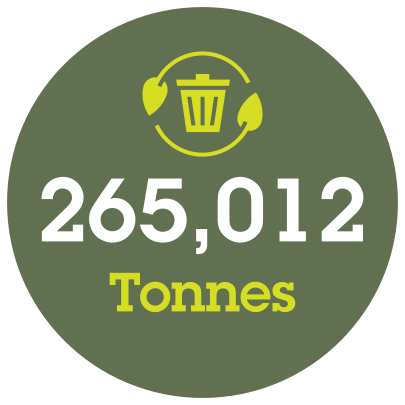
of residual waste were processed for energy recovery, with 111,721 tonnes of waste processed directly from BC.
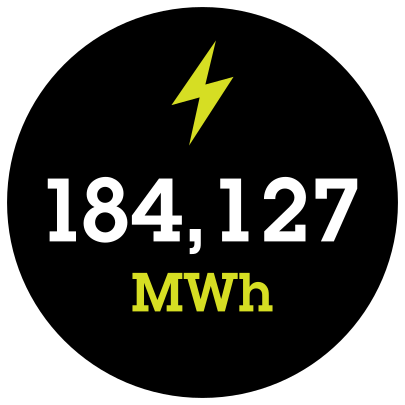
of electrical power was exported to the National Grid system - over 10,000 MWh above the base case assumption.
were welcomed to the Visitor Centre as part of 111 separate tours.
The operation of High Heavens WTS saved an estimated 146,997 delivery miles to Greatmoor EfW.
6.3% below the base case model of 89.0%.

The average turnaround time at both sites was under 8 minutes (weighbridge to weighbridge).
2.0 Waste management
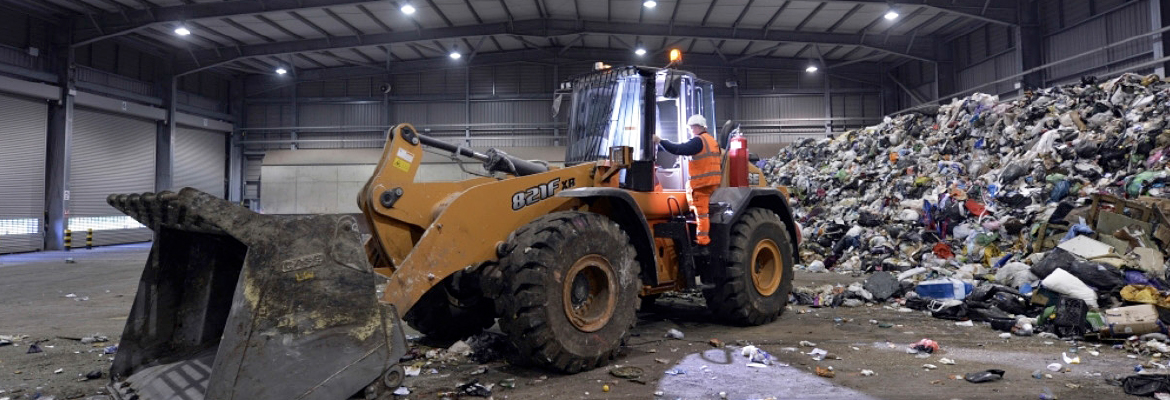
Total waste volumes handled
During this contract year, FCC Environment have processed 263,843 tonnes of residual waste across both facilities. BC Contract Waste was delivered by all the Buckinghamshire Kerbside Teams and also from Household Recycling Centres (HRC). Bulky waste from the Kerbside collections, as well as HRCs, is shredded and delivered to Greatmoor EfW via High Heavens Waste Transfer Station (WTS), reducing waste that would otherwise be sent to landfill. In addition to BC Contract Waste, Greatmoor EfW also receives Third Party Residual waste. A full summary of the total waste inputs across both facilities is featured in Table 1.
| Waste inputs | Tonnes |
|---|---|
| Aylesbury Vale Area | 36,148 |
| Household Recycling Centres | 4,034 |
| High Heavens WTS | 69,888 |
| Shredded Bulky Waste | 1,651 |
| Total BC Inputs | 111,721 |
| Third Party Residual Waste | 153,291 |
| Total inputs to Greatmoor EfW | 265,012 |
3.0 High Heavens Waste Transfer Station
3.1 Background
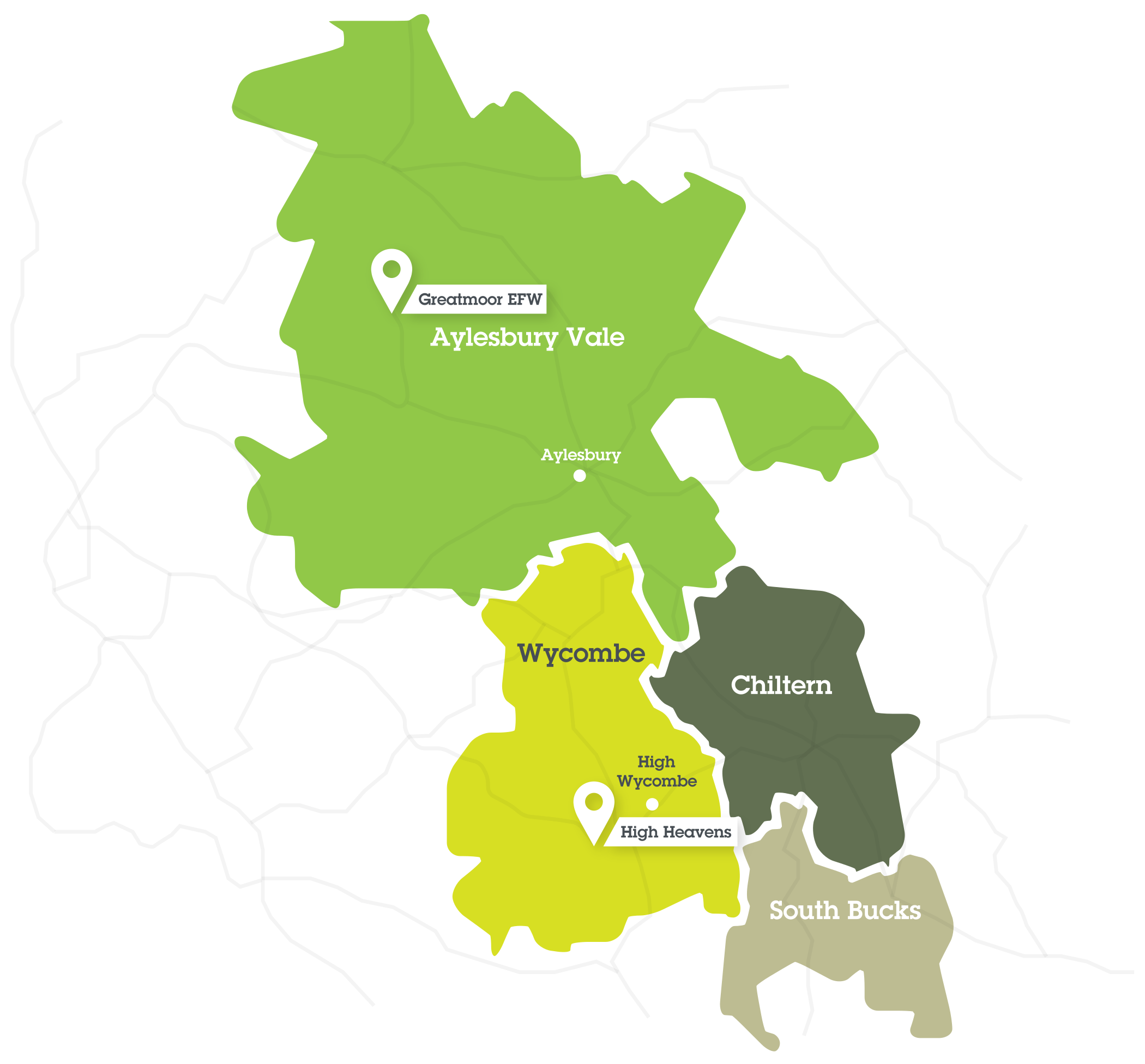
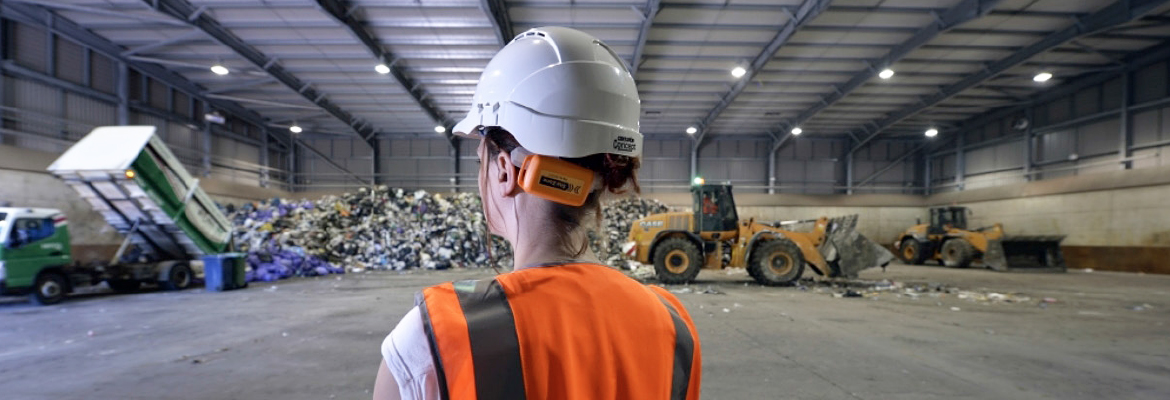
High Heavens WTS is situated at the High Heavens Waste Treatment Complex in High Wycombe, located to the south of the county. This BC waste treatment complex contains several waste operations and the WTS was developed specifically for residual waste.
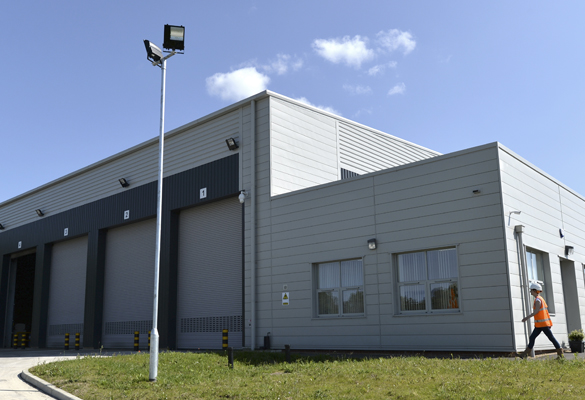
The WTS was constructed and commissioned by FCC Environment and entered into commercial operation in November 2015, in advance of the original June 2016 handover. It is used as the local delivery point by the Southern kerbside teams and HRCs to transfer residual waste to be processed at Greatmoor EfW. Waste is loaded onto articulated vehicles to transfer to Greatmoor EfW, reducing the number of transport miles required, compared with RCVs delivering directly to the EfW facility. This also reduces the time, costs and associated environmental impacts of the service, allowing the waste services to operate more efficiently in the areas that are needed. As a condition of planning permission, there is a designated transport route (45.3 miles) between High Heavens WTS and Greatmoor EfW, which maximises the use of major roads and motorways whilst reducing the use of minor roads that are not suitable for larger vehicles.

3.2 Waste inputs
During this contract year, High Heavens WTS processed over 71,433 tonnes of residual waste, demonstrating the benefits of bulking waste from a highly populated region. Table 2 identifies the amount of waste delivered to High Heavens WTS by supplier.
| Waste inputs | Tonnes |
|---|---|
| South Kerbside | 60,680 |
| Household Recycling Centre Residual | 7,761 |
| Contaminated IN ex HH GFBW FCC | 45 |
| Shredded Bulky Waste | 2,947 |
| Total | 71,433 |
3.3 Waste outputs
The majority of waste from High Heavens WTS is bulked residual waste destined for Greatmoor EfW.
No ad-hoc waste was delivered into High Heavens in the contract year.
3.4 Waste transfer
Transport savings through bulk transfer of waste from High Heavens WTS
FCC Environment transfers waste between High Heavens WTS and Greatmoor EfW using their own haulage vehicles.
Bulking operations of BC Contract Waste at High Heavens WTS successfully reduced transportation miles by 146,997 miles during this contract year. The breakdown of this is shown in Table 3.
The transportation saving is calculated by analysing the delivery tonnes and mileage travelled from each location and adding the bulking transfer mileage to Greatmoor EfW. The transportation mileage saving takes into account a predetermined route (45.3 miles) from High Heavens WTS to Greatmoor EfW, as defined in the planning permission. We have used the theoretical vehicle mileage for direct deliveries into Greatmoor EfW, rather than the actual mileage to High Heavens WTS.
Since year 3 of the contract (April 2018 to March 2024), the average residual waste payload collected from High Heavens WTS improved by 2.7%, from 23.93t to 24.59t per collection. The improved payload is part of High Heavens WTS commitment to continual improvement in the area of transport savings by reducing the number of deliveries required throughout the year.
| Waste transferred | Vehicle movements saved | Miles saved due to bulk transfer of waste from High Heavens WTS |
|---|---|---|
| South Kerbside | 11,800 | 130,461 |
| Household Recycling Centre Residual | 766 | 13,098 |
| Shredded bulky waste | 82 | 3,438 |
| Total | 12,648 | 146,997 |
3.5 Environmental management
High Heavens WTS operates under a Pollution Prevention and Control permit (PPC number XP3091ER) issued by the Environment Agency. There were no PPC permit breaches during this contract year.

3.6 Complaints
No complaints were raised during the contract year at High Heavens WTS.
4.0 Greatmoor EfW
4.1 Background
FCC Environment operate and maintain the Greatmoor EfW facility that is located to the north of Buckinghamshire County and adjacent to the FCC Environment Calvert Landfill site. Construction of the EfW plant commenced in September 2013 and the plant became fully operational in June 2016.
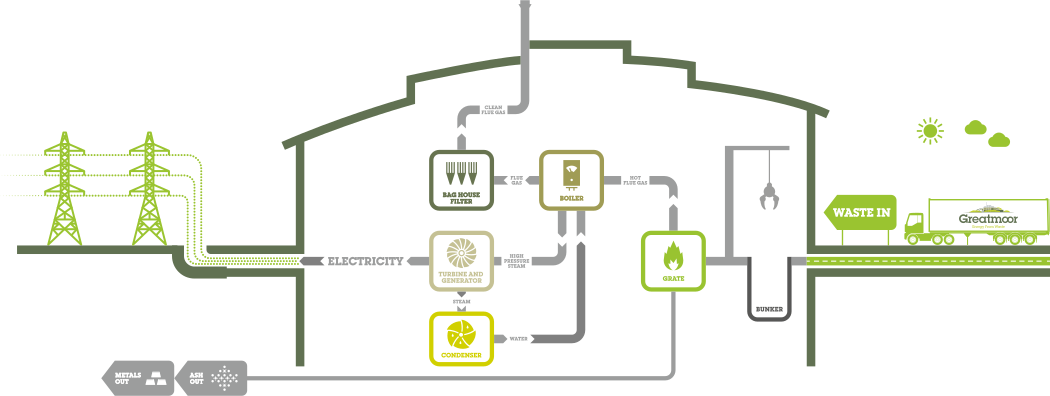
Greatmoor EfW processes non-recyclable household residual waste that would have previously been sent to landfill for disposal. The process involves incinerating the waste to recover energy, which then heats a boiler to produce high pressure, high temperature steam. This steam is used to drive a Steam Turbine Generator to generate enough electricity to power over 68,000 homes.
The EfW process generates by-products (residues), such as ash and combustion exhaust gases. The Incinerator Bottom Ash (IBA) is removed after the combustion stage and is continually inspected, with all non-combustible materials separated and recycled, with the remaining ash used as landfill aggregate. The Air Pollution Control residues (APCr or Fly Ash) produced are removed from the combustion exhaust gases and sent to a facility to be neutralised before being landfilled. Combustion exhaust gases are treated through a complex Flue Gas Treatment (FGT) process that removes harmful emissions before being released to the atmosphere. All emissions to the atmosphere are rigorously controlled and managed by the onsite team and continually monitored by the Environment Agency.
The process of producing Energy from Waste
4.2 Waste inputs
A total of 263,843 tonnes of household residual waste were delivered and processed at Greatmoor EfW during this contract year.
The breakdown of waste inputs is presented in Table 4.
| Waste inputs | Tonnes |
|---|---|
| Aylesbury Vale Area | 36,148 |
| Household Recycling Centres | 4,034 |
| High Heavens Waste Transfer Station | 69,888 |
| Shredded Bulky Waste | 1,651 |
| Total BC inputs | 111,721 |
| Third Party Residual Waste | 153,291 |
| Total inputs to Greatmoor EfW | 265,012 |
4.3 Waste outputs
Power generation
The Steam Turbine Generator is designed to generate up to 32.8 megawatts (MW) of electrical power. Although the boiler and feed system are not designed to be able to sustain this level of output for anything other than short periods.
The facility house load can be up to 6 MW (but is generally around 3 MW) and so, on average, a consistent 26 MW of power is exported to the National Grid system. The contract base case expected exports of 23 MW of electrical power and the measurement of how many MW are generated over the specified amount of time is referred to as Megawatt hours (MWh). In this contract year Greatmoor EfW exported 184,127 MWh of electrical generation.
The amount of electricity generated naturally varies over the contract year, as highlighted in Figure 1. This is due to changing ambient air temperature and wind direction (affecting the efficiency of the Air Cooled Condenser). More significant dips in amount of power exported are due to planned and unplanned outages (see Section 6, Table 9).
Residual outputs
From the 263,843 tonnes of residual waste treated at Greatmoor EfW, 73,266 tonnes of ash and residues were removed from the process, representing approximately 27.8% of all waste handled sent for landfill disposal. This is up from 24.4% last year as a result of the numerous start-ups and shut-downs and a change in applicable law relating to discharge limits leading to an increase in lime use and so APCr production. Table 5 provides a breakdown of residual waste outputs from Greatmoor EfW during the contract year.
Non-conforming waste materials are unsuitable for the EfW process and are removed during the pre- sorting and inspection stages. These materials are removed from the waste source to prevent impacting on the plant’s combustion efficiency and emissions control. As highlighted above, the volume of non-conforming waste material received at Greatmoor EfW is very low and FCC Environment have waste inspection procedures to ensure the amount of non-conforming waste from Buckinghamshire Council and Third Party suppliers remains so.
| Waste outputs | Tonnes |
|---|---|
| APCr (Before treatment) | 8,550 |
| IBA (Before separation) | 64,715 |
| Non-conforming waste | 2 |
| Total outputs | 73,268 |
4.4 Environmental management
Greatmoor EFW is regulated by the Environment Agency under the Environmental Permit reference EPR/UP3734HT. On 16th March 2023 the Permit was varied by the Environment Agency to incorporate industry-wide changes as a result of Best Available Technique (BAT) conclusions. Three Improvement Conditions were added to the Permit and have been complied with as follows:
- Improvement Condition IC10 required a test of the DeNOx system and a report detailing performance parameters at lowed NOx emission levels. The trial was completed over three months, and a report submitted to the EA on 30th November.
- Improvement Condition IC11 and 12 required a report to be submitted to the EA on whether the waste feed can be shown to have low and stable Mercury content (IC11); and whether dioxin emissions to air are stable (IC12). Both were complied with and submitted on 24th August 2023.
- The varied Permit also includes various changes to emission limit values that applied from 3rd December 2023. Greatmoor EFW remains compliant with all conditions in the (varied) Permit.
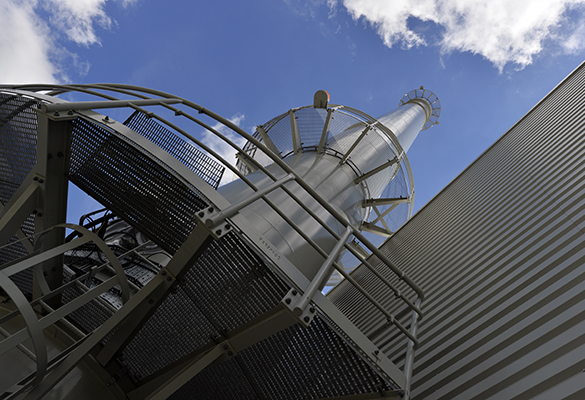
EfW plants incorporate abatement technology to control the emissions to atmosphere. Greatmoor EfW has Continuous Emissions Monitoring (CEMS) equipment installed in the exhaust gas system to constantly monitor for harmful emissions. This real time data is recorded and presented to the Environment Agency as evidence that the facility complies with the PPC emissions limits. The Greatmoor EfW operations staff continually analyse the CEMS emissions data to ensure the plant is operated with PPC regulations. If there is any approach to these limits, the operator will take action to prevent an environmental incident ensuring the requirements of the Environmental Permit are maintained.
IBA and APCr residues are periodically inspected and tested by an independent UKAS accredited laboratory to ensure the residue characterisation has not changed and is being appropriately managed.
The PPC Permit UP3734HT requires FCC Environment to prepare and submit quarterly and annual reports detailing the facility’s environmental performance. Regardless of this requirement, FCC Environment proactively manages the facility’s environmental performance with the Environment Agency in real time. As demonstrated in the following section, there was only one Permit breach at Greatmoor EfW during the contract year.
Permit monitoring requirements
The emission monitoring requirements are set out in Schedule 3 of the PPC Permit. There are two types of substance emissions monitoring, continuous (all the time) and periodic (bi-annually).
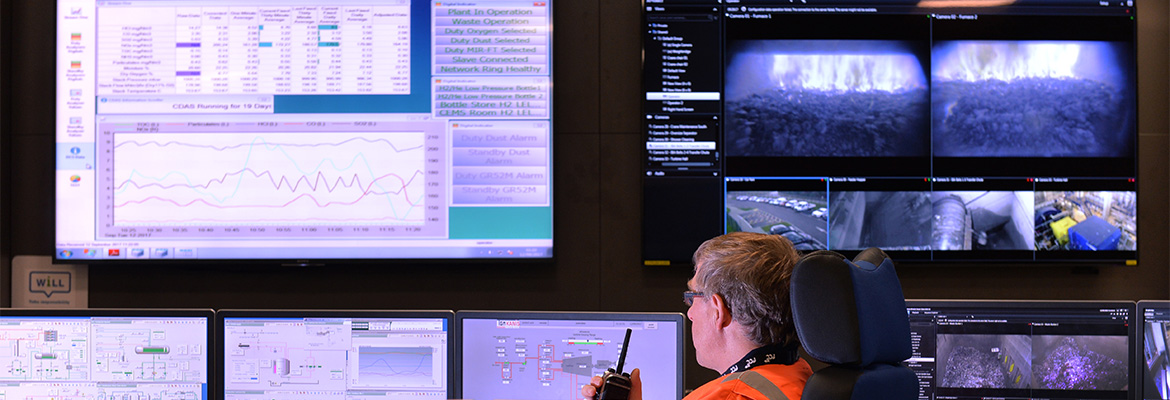
Continuously monitored emissions are measured using CEMs technology. Exhaust gas sample probes extract concentration samples that analyse and measure each emission parameter. This information automatically updates on the plant control system and is recorded in a dedicated read only data acquisition system. The facility operations team constantly monitor this CEMS data against the plant performance.
Periodic extractive sampling is carried out twice a year by a competent UKAS (United Kingdom Accreditation Service) accredited specialist contractor. Extractive exhaust gas samples are removed independently from the CEMS equipment and analysed in laboratory conditions.
| Substance | Continuously | Periodically |
|---|---|---|
| Particulates | ✔ | |
| Total organic carbon | ✔ | |
| Hydrogen chloride | ✔ | |
| Carbon monoxide | ✔ | |
| Sulphur dioxide | ✔ | |
| Nitrogen oxides | ✔ | |
| Ammonia | ✔ | |
| Nitrous oxide | ✔ | |
| Hydrogen fluoride | ✔ | |
| Cadmium & Thallium | ✔ | |
| Mercury | ✔ | |
| Heavy metals | ✔ | |
| Dioxins and furans | ✔ | |
| Dioxin-like PCBs | ✔ |
Emissions limits
The Environmental Permit specifies Emission Limit Values (ELV) for all emission substance monitoring. The plant emissions must not exceed these limits to ensure compliance. In the event of plant abnormal operation affecting the emissions to atmosphere above the ELVs, the Environment Agency shall be formally notified. During this contract year no ELVs were exceeded.
The ELVs specified in the Permit refer to half hourly and 24-hour averages displayed in Table 7. As noted above, some of these ELV’s changed on 4th December 2023, following an Environment Agency initiated variation of the Permit.
| Substance | Half hour average (mg/m³) | Daily average (mg/m³) | |
|---|---|---|---|
| until 3rd Dec 2023 | from 4th Dec 2023 | ||
| Particulates | 30 | 10 | 5 |
| Hydrogen chloride | 60 | 10 | 8 |
| Nitrogen oxides | 400 | 200 | 180 |
| Sulphur dioxide | 200 | 50 | 40 |
| Total organic carbon | 20 | 10 | 10 |
| Ammonia | n/a | n/a | 15 |
| Substance | 10 min average (mg/m³) | Daily average (mg/m³) | |
| Carbon monoxide | 150 | 50 | |
Continuous monitoring limits
Figure 2 depicts the maximum concentration percentage half hourly and full daily emission for the period of April 2023 to March 2024 (these are instantaneous values and not average percentage values). The graph takes account of the new (lower) Daily ELVs for particulates, Hydrogen Chloride, Nitrogen Oxides, Sulphur Dioxide, and Ammonia. The graph shows there were no exceedances of the nominal half hourly ELVs during the reporting period.
Permit Notification
In the year from April 2023 to March 2024 there was one Notifiable Incident at Greatmoor EFW. This occurred on 9th October 2023 when the Duty FID failed on a pressure fault and the flame went out and the standby FID then failed to operate with the same (pressure related) fault. Unresponsive FIDs meant the TOC readings were not monitored or recorded for up to 40 minutes before the plant was shut down (waste feed ceased). After FID repair the plant was re-started the following day. The Environment Agency agree that TOC levels would not have exceeded ELV and therefore issued the lowest possible score of C4 for failure to monitor and record TOC levels.
Periodic monitoring
A requirement of the PPC Permit is to complete independent stack emission testing for Dioxins, Furans, Cadmium and Thallium, Heavy Metals, Mercury and Hydrogen Fluoride.
Figure 3 depicts the maximum concentration percentage levels for the period of April 2023 to March 2024. The graph shows that at no point during the contract year did the facility produce harmful emissions that approached or exceeded the ELVs. N.B. these are instantaneous values and not average percentage values.
Summary of Environmental Compliance
In addition to monitoring and reporting emissions to air, FCC Environment has a responsibility to monitor the quality of IBA produced by the facility to ensure the characterisation remains non- hazardous. All data taken and analysed by a UKAS accredited research facility showed that the IBA remains non-hazardous; ensuring the waste fuel and combustion system is as per design.
Greatmoor EfW’s environmental performance has consistently achieved the PPC Permit ELV levels throughout the contract year. Both continuous and periodic monitoring indicates that the EfW facility operates within Environment Agency regulations.
4.5 Complaints
During the contract year there were two complaints raised at Greatmoor EfW.
The first complaint was received in October 2023 from a motorist who was concerned about the behaviour of an FCC driver delivering to Sutton Courtney. It was explained to the complainant that this vehicle was not connected with Greatmoor and that their complaint would be passed on to the relevant manager at Sutton Courtney. The complainant was put in contact with the relevant manager. No further action required.
The second complaint was received in November 2023 when a neighbour called into complain about the traffic lights on the access road shining into their house. The lights were not in functional use at the time and so the lights were covered to reduce the glare. No further communication was received from the complainant.
5.0 Integrated Management System
FCC Environment operates an Integrated Management System (IMS) to achieve and maintain ISO 9001, ISO 14001, ISO 45001 and ISO 50001 accreditations. Greatmoor EfW and High Heavens WTS are operated and managed under the IMS requirements that have successfully achieved the British Standards Institution accreditations.
5.1 Internal auditing in this contract year
An IMS audit was conducted on 17th October 2022 at High Heavens WTS; zero NCRs (Non-Conformance Reports) were raised. The next biennial audit is planned for 12th September 2024.
Greatmoor EfW received a BSI audit on 12th December 2023 and an internal IMS audit on the 24th July 2023. No NCRs were issued as a result of the BSI audit, and 7 minor IMS NCRs were raised. All NCRS were closed out within the contract year. A summary of all NCRs received during the internal IMS audit during this contract year are provided in Table 8.
| Audit | Summary of NCR | Completed |
|---|---|---|
| IMS | Please identify the documents that Greatmoor collates for archiving and assign a retention period for them on the SFs index, using IMS-FRM-059 as a guide. | Nov 2023 |
| IMS | Develop an additional SWP/MS for the use of the FLT around the new racking and in and out of the stores where required. | Nov 2023 |
| IMS | When next IMS update available ensure that named documents are listed in the briefings where the changes are communicated. | Nov 2023 |
| IMS | Show that LOLER inspections for the Linde forklift are saved on the plant file for the machine. | Nov 2023 |
| IMS | Confirm that a programme is in place to address the previous reported results from legionella monitoring with allocated responsibilities and a timescale to resolve outstanding issues. | Nov 2023 |
| IMS | Obtain relevant Duty of Care checks on ASM Metals and confirm all documentation is correct. | Aug 2023 |
| IMS | Assign an author for the Greatmoor Fire prevention plan to conduct the required reviews for significant changes and annual reviews. | Aug 2023 |
6.0 Maintenance Management
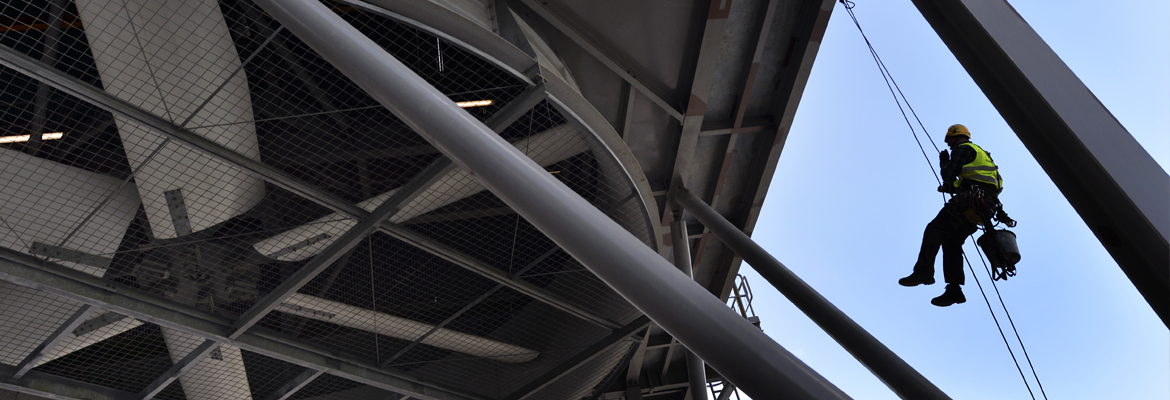
Maintenance management ensures the EfW plant remains reliable, safe to operate and demonstrates compliance with statutory legislation.
During this contract year Greatmoor EFW has continued with the Q4 maintenance management system and has improved and worked on its set up and utility. All the work on site is managed through this and used by Engineering as well as operations. Q4 is the main system for controlling maintenance, safety from the system (Safety Rules, Permits etc), inventory control and resource planning. This software package allows for detailed maintenance activity scheduling, tracking, and recording of plant history to ensure successful maintenance management. During the contract year, all maintenance activities were raised through this package. There is a pre-planning meeting and a planning meeting every week to organise the workload and this is shared with the Operations Department as they need to check all relevant documents before the work can start. As well as the meetings mentioned there is also a regular weekly meeting to ensure all site defects have been captured and correctly prioritised, this is the main meeting used to capture all Operational issues to minimise all operator burdens, work arounds and maximise output.
The Engineering stores carry all our critical spares, and we also use a suitably secure warehouse in Brackley for non-urgent spares, and spares used only during a prolonged shutdown (such as the annual planned maintenance outage). The Brackley site has CCTV cameras and a fire alarm system that is linked directly back to Greatmoor.
Greatmoor EfW carries out an annual shutdown to undertake lifecycle maintenance and overhaul to maintain plant performance, reliability and safe operation. During this year, the annual shutdown was carried out once again in May but started 36hrs early due to a contractor coming on site to take a copy of some of our software programs. This was a planned activity but an error by the contractor during the back-up lead to a complete loss of the digital control system. This unfortunate event (caused by the inadvertent use of a known, reserved intranet address) took several hours to identify at which point it was decided to start the outage early since some contract resource was available.
During the 2023 outage the following works were carried out;
- A full strip down of the grate and realignment. This was included since the grate was catching and not being allowed to move fully or expand as the boiler warmed up.
- IBA belts 1 and 2 drop off chutes replaced due to heavy corrosion.
- Air leak surveys were carried out and as many identified repairs as possible were completed during the outage, savings by conducting this work were estimated at circa £70k, but more importantly it reduced the loading on the installed air compressors improving their longevity and reliability.
- Waste cranes 1 and 2 main drive units were replaced (preventative maintenance).
- The fabric filter cleaning system was completely redesigned to enable more rapid response to any failed filter bags leading to a rise in dust emissions (new BREF regulations have reduced the time available to isolate sources of dust emissions and so this upgrade was required.
- There was also the start of a valve replacement program expected to last 3 years initially.
- There was other works carried out during the Outage that was part of the planned Maintenance for 12 monthly.
Return to service post outage was delayed due to a leak on weld on a repaired pipe in the boiler (well within what is considered a normal failure rate for welds of this type but still disappointing) and time lost through scaffolding issues (May is a busy time for outages throughout industry and experienced resources are not always available to relatively small scale, and duration, projects such as the Greatmoor outage).
Some other works that were completed throughout the year; a rebuild of the bearings of one of the HP air compressors, a redesign of the scrapers on the IBA belts to aid belt cleaning and reduce debris carried over in the ‘belly’ pans, the process water pumps were completely replaced with a new design optimised to the current operating conditions. Also, the facilities used by contractors (particularly during outage) have been upgraded to make them more appealing and to reduce the carbon footprint of the outage (eg permanently plumbed in toilet and washing facilities to remove the need to transport black and grey water off site).
A change in legislation has meant that our existing fluorescent light fittings and halogen lamps are no longer available and are not supported. This has led to an ad hoc programme to replace, what are now considered to be, ecologically unfriendly light fittings with equivalent LED items. The site retained a significant stock of lamps and tubes to ensure that the replacement programme does not need to be rushed. Other electrically based maintenance includes an extended, site-wide, thermographic survey on all electrical equipment and fittings; similarly, all installed ‘fixed’ wires were tested to ensure they were not suffering from undue degradation, and all were found to be ‘ok’. The preferred Uninterruptible Power Supply (UPS) contractor (Gutor) completed their annual appraisal of all UPS battery banks and replaced several cells that were faulty (all had either been identified as degraded previously or were done as a precautionary measure since other cells in the battery were being replaced).
The plant’s insurers have made several recommendations for improvements based on their extensive knowledge base as a result of their exposure to similar technologies around the world. Firstly all 23 underground isolation valves for the fire-fighting water ring-main have been upgraded with above ground indicator posts to allow quick and simple operation and to aid identification of any valves left in the wrong configuration. This upgrade had the added benefit of reducing repeated heavy lifting/manual handling tasks and so eliminated a potential industrial safety issue. A further recommendation was that the plants IT and Industrial Control Systems (ICS) were reviewed to ensure that they remained sufficiently resilient and secure some 10 years after their design and installation. Following their advice, a new fibre connection was installed along with a host of new network switches with a view to keeping hackers out whilst still allowing our contract partners remote access to monitor performance.
6.1 Maintenance issues
Plant Breakdowns
On occasion the EFW plant will breakdown due to mechanical and electrical faults, resulting in a full plant shut down. Table 9 identifies breakdown failures and downtime hours, with more details on each occurence provided in the following section.
| Date | Breakdown | Returned to service date | Total loss (hours) |
|---|---|---|---|
| 08 Apr 23 | Seized 2nd/3rd pass fly ash extractor conveyor belt | 12 Apr 23 | 119hrs 30’ |
| 25 Apr 23 | Blocked Bottom Ash Conveyor | 30 Apr 23 | 118hrs 17’ |
| 16 May 23 | Partial loss of Digital Control System (DCS) | 17 May 23 | 34hrs 48’ |
| 08 Jun 23 | Failure of Start Up Vent valve during warm up | 09 Jun 23 | 31hrs |
| 03 Sep 23 | Bottom Ash Extractor drive end (DE) sprocket failed | 05 Sep 23 | 52hrs 58’ |
| 02 Oct 23 | Damage to grate bars because of slag/clinker fall | 07 Oct 23 | 131hrs 31’ |
| 09 Oct 23 | Loss of both FID Detectors | 10 Oct 23 | 18hrs 5’ |
| 16 Oct 23 | Concrete on grate | 18 Oct 23 | 37hrs 3’ |
| 04 Nov 23 | Sporadic loss of both FID Detectors | 05 Nov 23 | 15hrs 3’ |
| 24 Dec 23 | Bottom Ash Extractor drive end (DE) chain | 27 Dec 23 | 67hrs 25’ |
| 02 Jan 24 | Bottom Ash Extractor drive end (DE) sprocket failed | 09 Jan 24 | 169hrs 2’ |
| 10 Jan 24 | Concrete on grate | 11 Jan 24 | 30hrs 10’ |
| 24 Jan 24 | BAE NDE issues delay to restart due to burner failure | 24 Jan 24 | 10hrs 13’ |
| 30 Jan 24 | BAE Drive End (DE) sprocket failure | 31 Jan 24 | 19hrs 40’ |
| 08 Feb 24 | Sheared actuator bush on Feed regulator valve | 11 Feb 24 | 64hrs 46’ |
| 29 Feb 24 | BAE NDE Sprockets fouled | 02 Mar 24 | 34hrs 5’ |
| 21 Mar 24 | BAE NDE Sprockets fouled | 22 Mar 24 | 23hrs 30’ |
| 31 Mar 24 | BAE NDE Sprockets fouled | 31 Mar 24 | 12hrs 31’ |
| Total | 990hrs 0’ | ||
7.0 Community liaison
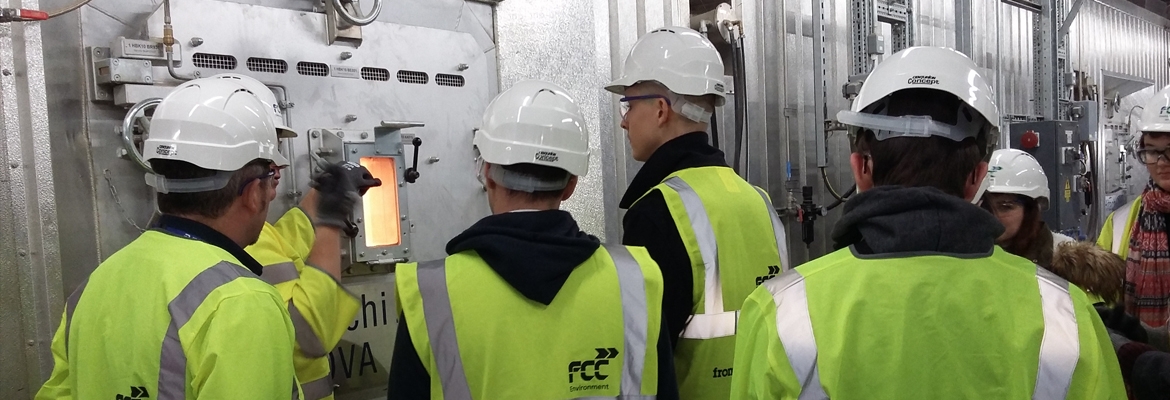
FCC employs a dedicated Waste Awareness and Education Manager with the aim to raise public awareness of waste issues, including waste prevention, reuse and recycling through educational initiatives.
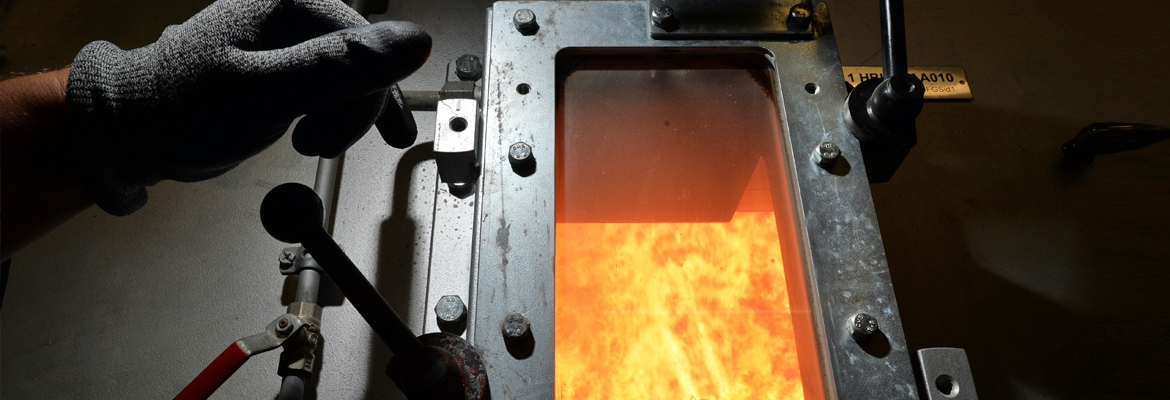
Greatmoor EfW has an on-site visitor centre which hosts site tours of the facility for local community groups and schools. Tours includes showing visitors the control room to demonstrate how the plant is operated, along with views of waste tipping into the bunker, and loading the system by the large grab crane. Visitors can also look inside the furnace inspection hatch to see waste being burnt.
As well as hosting on-site tours, FCC also carry out outreach visits to schools and other organisations within the county. The Waste Awareness and Education Manager attends school classes and assemblies to educate and raise awareness about recycling and waste management.
7.1 Greatmoor EfW Visitor Centre
The headline figures for 2022–23:
- 1,188 Visitors
- 111 Tours
- 2,752 attendees to Outreach Events
- 96.8% Excellent or Very Good feedback from visitors, across 6 key questions
During the contract year there were a total of 1,188 people attended at the Visitor Centre over 111 tours.
| 1st April 2023-31st March 2024 | |
|---|---|
| Adult Visitors | 667 |
| Under 16s | 511 |
| Total Visitors | 1,188 |
| No of Tours | 111 |
An interesting development this year is that over a quarter of our visitors were with secondary school groups, up from 11% last year and 6% in 2021-22. This is in part due to our partnership with Action4Youth, and also the increase in secondary schools arranging further visits on top of their A4Y students.
7.2 Outreach visits
|
Type of Visit
|
No of Visits
|
No of Under 16s
|
No of Adults
|
No of Assemblies
|
No of Activity Sessions
|
|---|---|---|---|---|---|
| Primary Schools | 12 | 1,290 | 81 | 6 | 18 |
| Secondary Schools | 1 | 162 | 9 | 0 | 7 |
| Careers Events | 4 | 132 | 61 | 0 | 0 |
| Community Groups | 22 | 18 | 607 | 20 | 2 |
| Community Events | 11 | 94 | 298 | 0 | 2 |
| Total | 50 | 1,696 | 1,056 | 26 | 29 |
7.3 Summary of visitor feedback
FCC encourages feedback from those visiting Greatmoor EfW by providing feedback forms after tours to highlight positive feedback and also identify areas for improvement to continuously focus on delivering the best service possible. Feedback from visitors has been excellent, comments included the structure of the visits and suitable levels of detail for the audience providing attendees with a classroom overview to gain an initial understanding followed by seeing the plant in action. Visitor feedback has also shown commitment to change behaviours towards recycling, reuse and waste minimisation.
| Tour Section | % Excellent or Very Good 2023-2024 |
|---|---|
| Introduction | 98.2 |
| Guided Tour | 99.1 |
| Visitor Centre Facilities | 98.2 |
| Visitor Centre Staff | 99.1 |
| Information provided before visit | 93.5 |
| Greatmoor website | 92.7 |
7.4 Local Employment
There are a total of 52 members of staff working on the Contract, 46 at Greatmoor EfW and 6 at High Heavens WTS. 67% of the staff employed on the contract live within Buckinghamshire itself, with others from the local surrounding areas of Oxfordshire, Northamptonshire and Berkshire. There are a currently no staff who travel from outside of the local vicinity of the contract, so the majority are from the area demonstrating good levels of local employment. Contract staff required for the Outage continue to be recruited via a local agency and are mainly drawn from the contract area. Where possible supplies and stores are also drawn from the local area e.g. all catering is supplied from a company based in Waddesdon, the Outage village is supplied by a company with a site at the Wescott business park.
7.5 Liaison Group meetings
Since April 2023 there have been two Greatmoor Community Liaison Group (CLG) meetings. The meetings occur regularly and from Service Commencement have been held in conjunction with the Calvert Landfill Community Liaison Group. These sessions are attended by local residents, parish councillors, interest groups, EA officers, councillors and FCC. The Greatmoor CLG is an opportunity for members to ask questions in relation to the EfW and raise issues of concern. One planned CLG was cancelled at short notice at the request of the chair of the CLG due ill health.

8.0 Conclusion
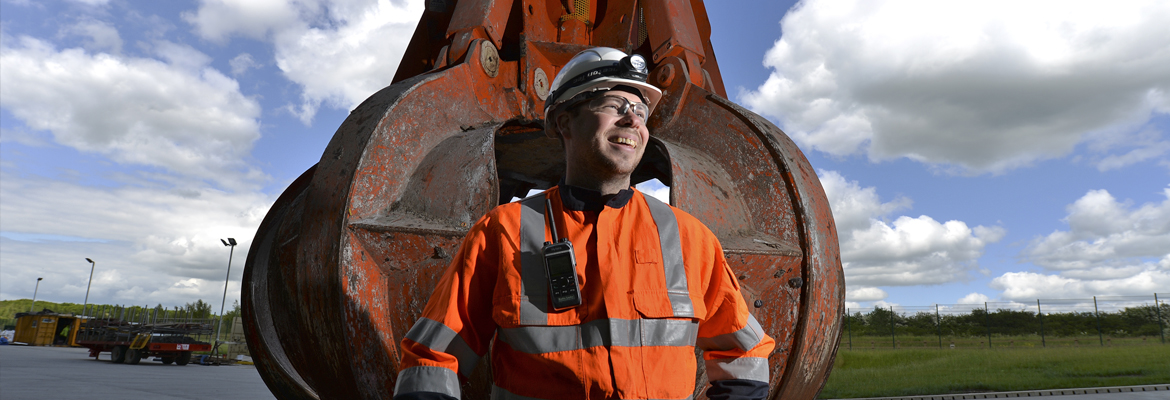
The eighth contract year has proven to be problematical for a number of commercial and engineering reasons. Whilst the continuing contract dispute has had little effect on the day to day running of the contract it does cast a significant and noticeable shadow.
Reliability and availability have not been at the levels we have come to expect, some 41.25 days were lost to unplanned outages or forced shutdowns. The tables in section 7 clearly show that the biggest loss has been due to the Bottom Ash Extractor. This despite the extensive rebuild carried out by our long term contract partner in this field during the 2023 outage and the fact that some £1.5 million has been spent on this particular piece of equipment in the last 5 years. However much was spent, over 51% of all losses (some 507hrs or 21 days) can be associated to this piece of equipment. The challenge for the ninth year of the contract is to address the root causes of the BAE unreliability and eliminate them during the 2024 outage. This is being addressed by involving the Original Equipment Manufacturer (OEM) in a design review and rebuild, using their approved contractors and spares.
For more information about FCC Greatmoor, please visit https://www.greatmoor.co.uk/
For more information about FCC Environment, please visit https://www.fccenvironment.co.uk/
For more information about Buckinghamshire Council, please visit https://www.buckinghamshire.gov.uk/
Otherwise FCC Environment is proud to report that we have continued to operate and maintain the Greatmoor EfW and High Heavens WTS facilities safely and with the utmost respect for the environment.
High Heavens WTS operational availability has remained 100% for household residual waste deliveries. Greatmoor EfW operational availability achieved 82.7%, which was 6.3% below the base case.
Once again, both Greatmoor EfW and High Heavens WTS have met, or exceeded, all the requirements of their respective Environment PPC Permits throughout this contract year. This ongoing success further demonstrates FCC Environment’s credibility as a responsible operator and commitment to operating all plant and facilities within national regulations and guidelines.
High Heavens WTS continues to provide a significant reduction in waste transport mileage by bulking waste to be delivered to Greatmoor EfW. Easing congestion on the Counties roads, improving RCV availability and smoothing the delivery schedule at Greatmoor (hence reducing waiting times for customers).
In 2023, FCC Environment carried out a successful EfW plant outage achieving all the required, mandated and elective maintenance work, without accident or environmental incident and returned the plant back to operations after only a short delay due to the failure of a boiler tube weld.
Visitor numbers continue to increase, and the 10,000 visitor is expected in Q3 of 2024. Feedback across the board remains consistently positive reflecting the high standard of education being delivered. The visitor centre also continues to be developed with the addition of more touch screens, a new model of a steam turbine and wider range of PPE in all sizes to ensure all visitors are safe. Out-reach activities are becoming more important to the waste education programmes across the County and theses programmes benefit from the mutual support offered to the Greatmoor Education Officer by the FCC Buckinghamshire HWRC Education Officer.
Yet again neither Greatmoor EfW nor High Heavens WTS have had a single Lost Time Accident for either FCC Environment employees or their contractor partners in this contract year. However, again and regrettably, there have been some minor accidents resulting in harm to workers on site. FCC Environment believe that all accidents are avoidable and are committed to protecting their staff, contractors and site visitors: as a result, all accidents (however minor) were investigated and there is a continuous overview looking for common causes or threads. The incumbent safety advisor is now fully trained and delivering continuous H&S oversight and advice.