


Contents
1.0 Introduction
Buckinghamshire County Council Waste Management Project
Annual Service Report
Contract Year 3
1st April 2018 – 31st March 2019
In 2013 FCC Buckinghamshire Limited (FCC) were awarded a 30 year contract by Buckinghamshire County Council (BCC) for the management and treatment of residual waste.
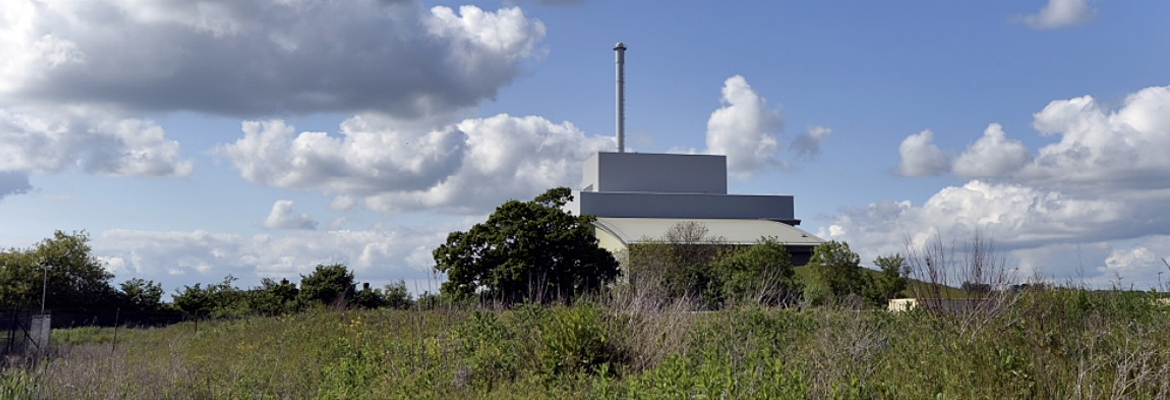
In order to service the contract FCC constructed and now operates Greatmoor Energy from Waste (EfW) facility near Woodham in the north of the county. This facility is used to sustainably manage the disposal of Buckinghamshire’s household residual waste, by diverting waste from landfill and recovering energy from the process. Electricity generated from Greatmoor EfW is sufficient to power 40,000 homes.
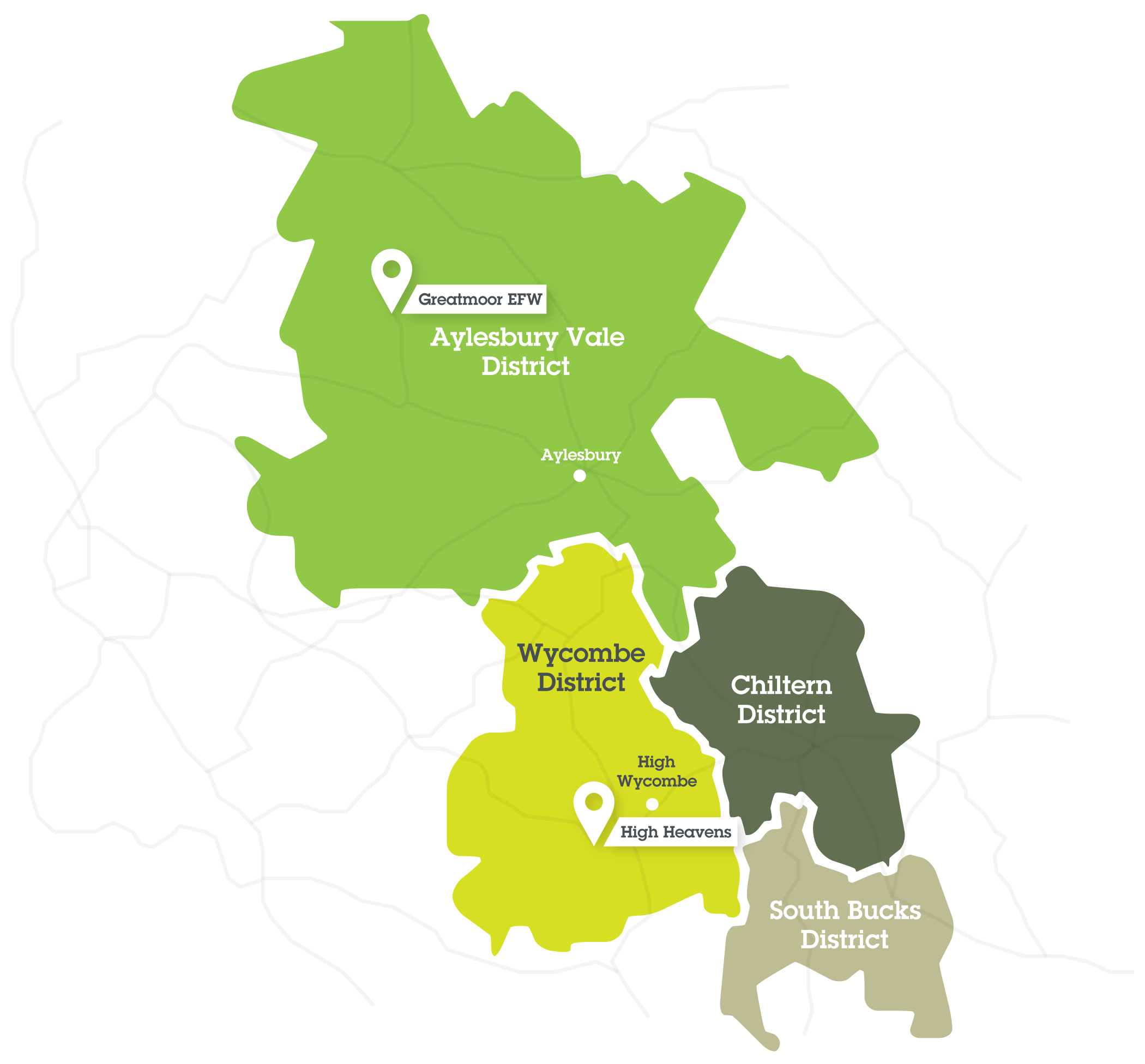
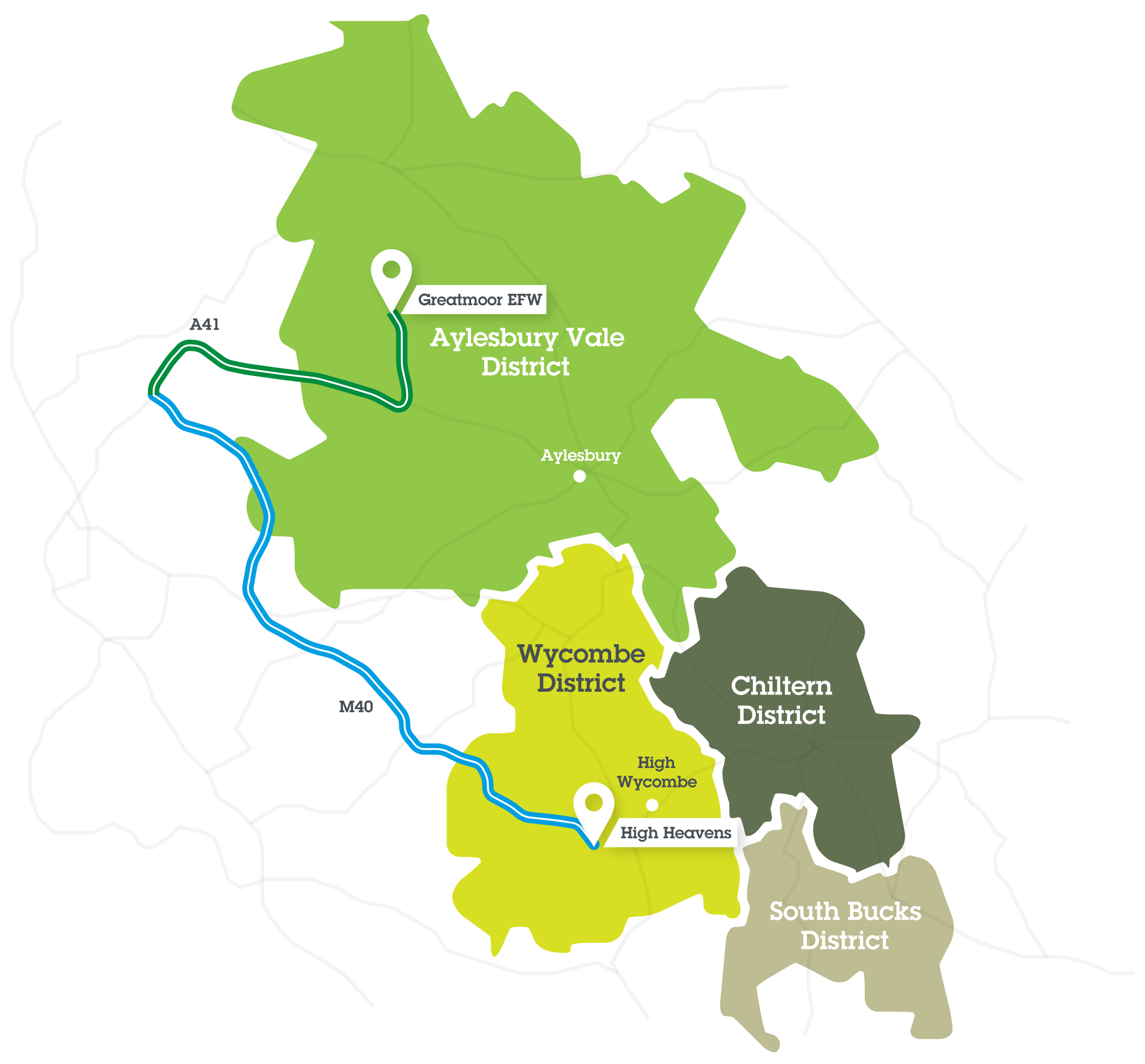
As part of the contract, FCC also operates High Heavens Waste Transfer Station (WTS) in High Wycombe situated in the south of the county. This site is used as a bulking facility to load Refuse Collection Vehicle (RCV) deliveries from Chiltern, Wycombe and South Bucks District Councils into articulated vehicles for efficient transfer of waste to Greatmoor EfW. Residual waste from Aylesbury Vale District Council is delivered directly into Greatmoor EfW due to close proximity to the site.
Full service of the contract commenced in June 2016 following the construction of both facilities and successful commissioning of the EfW. This Annual Service Report provides an overview of the contract performance during the third contract year (April 2018 – March 2019).
During the third contract year
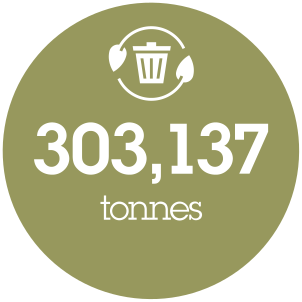
of residual waste were handled for energy recovery, 108,754 tonnes of which was Buckinghamshire County Council contract waste.
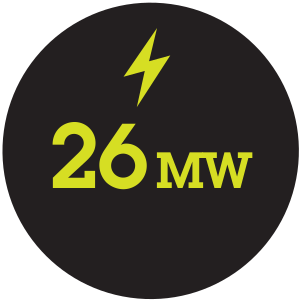
average electricity generated from waste recovery at Greatmoor EfW.
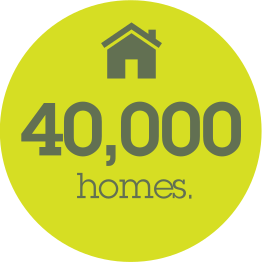
Our electricity output was the equivalent to that needed to power 40,000 homes.
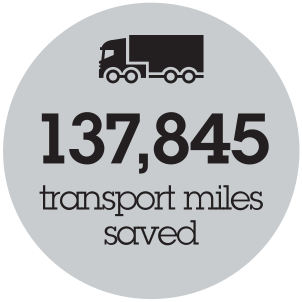
through the operation of High Heavens Waste Transfer Station to feed contract waste to Greatmoor EfW
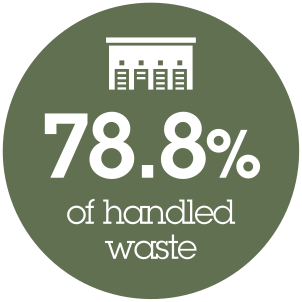
was diverted from landfill.
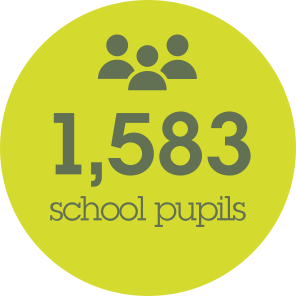
engaged with during 17 educational outreach sessions.
to Greatmoor over 155 community engagement tours.

with the Environmental Permit at both facilities.
2.0 Waste management
Total waste volumes handled
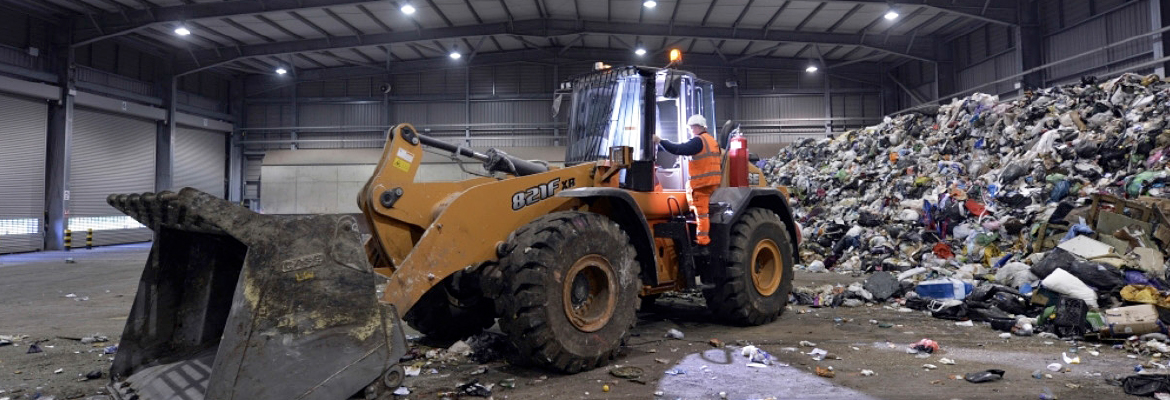
During the contract year FCC handled 303,536 tonnes of residual waste across both facilities. The total tonnage for the year includes 399 tonnes of residual stock at High Heavens WTS. Contract Waste (managed by BCC) was delivered by all the districts within Buckinghamshire and also from the household recycling centres (HRC). Bulky waste from the HRC sites is shredded by BCC and delivered to High Heavens Waste Transfer Station to allow this material to be accepted at Greatmoor EfW, thus diverting this tonnage from landfill disposal. In addition to Contract Waste, Third Party Residual waste was handled at Greatmoor EfW. A summary of the total waste inputs across all sites is displayed in Table 1.
| Waste inputs | Tonnes |
|---|---|
| Aylesbury Vale District Council | 32,196 |
| Household Recycling Centre Residual (BCC) | 4,495 |
| High Heavens Waste Transfer Station | 72,063 |
| Total BCC inputs | 108,754 |
| Third Party Residual Waste | 194,383 |
| Total inputs to Greatmoor EfW | 303,137 |
| Residual stock at High Heavens WTS | 399 |
3.0 High Heavens Waste Transfer Station
3.1 Background
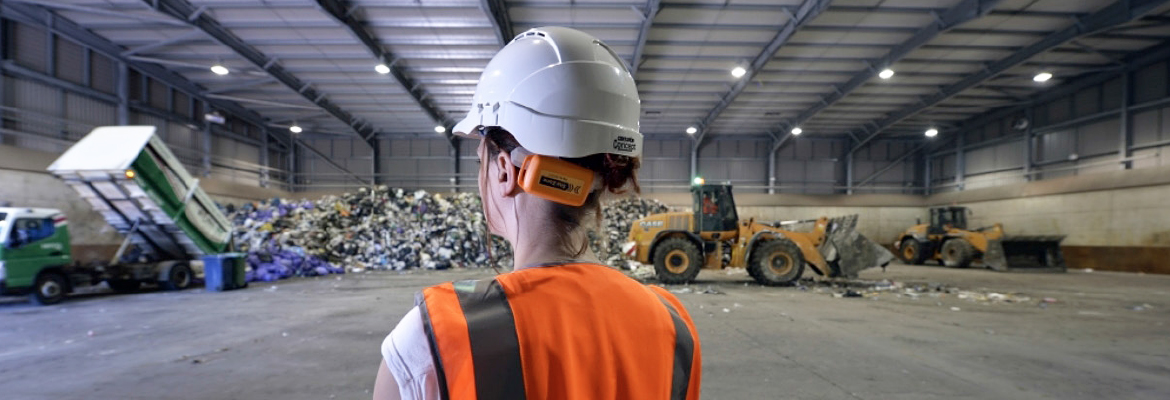
High Heavens Waste Transfer Station (WTS) is located on the BCC High Heavens Waste Complex in High Wycombe situated in the south of the county. The waste complex consists of several waste operations for BCC, with the WTS being developed at the complex to service the residual waste treatment contract operated by FCC.
The WTS was constructed and commissioned by FCC and became operational in November 2015 ahead of full service commencement in June 2016. The WTS is used as a local delivery point by southern district councils (South Bucks, Wycombe and Chiltern) for onward transfer of their residual waste to be processed at Greatmoor EfW in the north of the county. Residual waste delivered into the WTS is loaded onto articulated vehicles to reduce the amount of transport required to move the waste by maximising the amount of waste on each transport vehicle. The location of the site was selected as a central delivery point for the southern districts to provide efficient transfer of waste to Greatmoor EfW compared to collection vehicles travelling there directly. This significantly reduces waste transport requirements and associated impacts across the county whilst also allowing the collection contracts to operate more efficiently.
There is a predetermined transport route between the two facilities. This is a condition of the planning permission and requires transport vehicles to use the main roads to access and egress the motorway for the prominent route of transport to eliminate use of smaller roads and the associated impacts of the transport vehicles.
The WTS employs seven full time staff, with a majority living in the Buckinghamshire County.
3.2 Waste inputs
During the contract year, 72,462 tonnes of waste were handled at High Heavens WTS. The volume of residual waste handled demonstrates the benefit of its location as a bulking station to Greatmoor EfW due to the population density in the south of the county. The breakdown of waste inputs by supplier across this period is displayed in the chart and table below in Figure 1 and Table 2.
| Waste inputs | Tonnes |
|---|---|
| Chiltern and Wycombe District Councils* | 43,754 |
| South Bucks District Council | 10,680 |
| Household Recycling Centre Residual (BCC) | 10,222 |
| Shredded bulky waste (BCC) | 7,806 |
| Total | 72,462 |
*Chiltern and Wycombe District Councils operate a joint waste collection service and therefore tonnages are reported as combined.
3.3 Waste outputs
The majority of output from High Heavens WTS was residual waste bulked to Greatmoor EfW. The total domestic waste transported to Greatmoor EfW in the contract year was 72,105t. The tonnage exported to Greatmoor EfW is greater than that received by 42t. The reason being fuel usage during transit per trip across the period.
There was a small tonnage of bulky waste removed from the site for shredding at a neighbouring BCC facility within the High Heavens complex. This is where bulky waste unsuitable for the EfW is removed for shredding before being delivered back to High Heavens WTS. Bulky waste is deemed unsuitable as it can affect the efficiency of the EfW process due to blockages in the system or poor combustion.
Once removed and shredded, this material is then transferred with the residual waste and diverted from landfill in a similar manner to the management of bulky waste from the HRC sites. When bulky waste is identified and separated, feedback is provided to BCC. Gas bottles and other non-conforming materials unsuitable for the EfW process have also been removed, segregated and reported in a similar manner and collected for recycling or disposal.
3.4 Waste transfer
Transport savings through bulk transfer of waste from High Heavens WTS
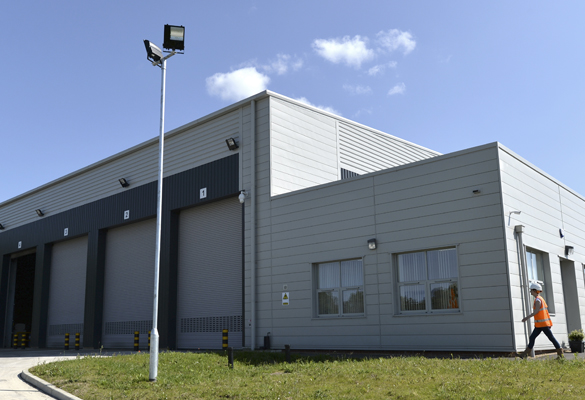
High Heavens WTS operates as a bulking station for transfer of residual waste to Greatmoor EfW. Due to the high volumes of waste handled at the site, the bulking operation successfully reduced transport vehicle miles of contracted waste by 137,845 miles during the contract year. The breakdown of this is shown in Table 3.
The mileage saving is calculated by analysing the number of vehicle deliveries, miles travelled from each location and tonnes delivered, then adding the bulking transfer mileage of this waste to Greatmoor. A comparison between this and the total mileage for collection vehicles to deliver directly into Greatmoor EfW, rather than through High Heavens WTS was made to highlight the saving. The mileage savings also take into account the predetermined route (45.3 Miles) from High Heavens WTS to Greatmoor EfW which is a condition of the planning permission, this route being longer than the shortest available.
The average payload for domestic waste loads out of the WTS has improved since contract year 2 by 6% from 22.58t to 23.93t per load. The result of this improved payload was an additional 8,201 miles and 182 loads were saved. The improved payload is part of High Heavens WTS commitment to continual improvement.
The savings shown highlights the benefits and importance of High Heavens WTS to the residual waste contract within the county and the reduced transport implications as a result of the operation of the site.
| Waste transferred | Vehicle movements saved | Miles saved due to bulk transfer of waste from High Heavens WTS |
|---|---|---|
| BCC Residual | 10,538 | 115,679 |
| Household Recycling Centre Residual (BCC) | 972 | 13,930 |
| Shredded bulky waste (BCC) | 182 | 8,236 |
| Total | 11,692 | 137,845 |
Transport mileage savings
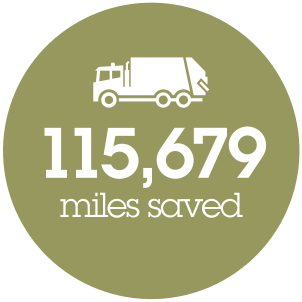
on district council collections. That’s more than four and a half times around the world.
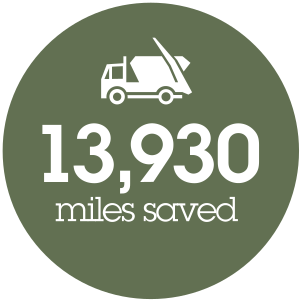
on residual waste from Household Recycling Centres, the equivalent of a return trip from London to the Philippines.
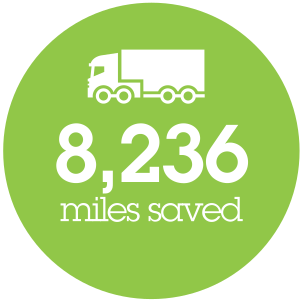
on Shredded bulky waste. That’s the same as a round trip from London to Barbados.
Transport fleet
FCC has awarded a contract for the haulage of residual waste from High Heavens WTS to Greatmoor EfW to Fred Sherwood & Sons Limited. FCC Buckinghamshire has built a good working relationship with Fred Sherwood & Sons providing confidence that a robust service delivery could be achieved.
The contract includes performance guarantees for service delivery such as provision of sufficient vehicles to deliver the service and also restrictions to ensure contract compliance is maintained with BCC.
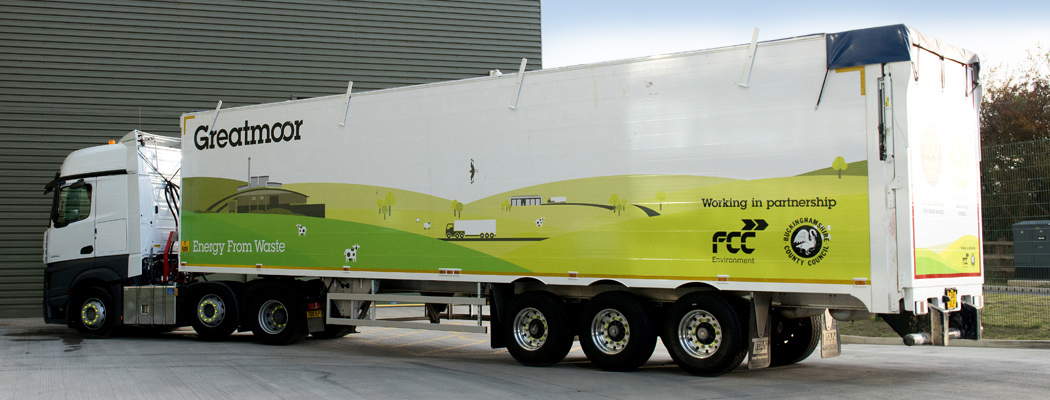
Branded trailers are also in place to promote the Greatmoor EfW facility and to highlight the contract partnership between BCC and FCC on the transport vehicles that travel daily up and down the M40.
3.5 Environmental management
High Heavens WTS operates under permit number XP3091ER issued by the Environment Agency. There were no permit breaches recorded during the contract year at High Heavens. The Environment Agency did not conduct an inspection during this period.

3.6 Complaints
During the contract year, there were three complaints logged with High Heavens Transfer Station. The complaints all related to the transport of waste material to Greatmoor EfW. Only one of the complaints was substantiated.
The substantiated complaint related to complaint reference number C0021, where a vehicle travelling to Greatmoor EfW was observed losing a small amount of material during transit. CCTV review of the trimming down process before leaving showed that the trailer had been trimmed down as per procedure and on this occasion it was due to an issue with the netting. The issue was raised with the Transport provider and resolved.
The site received no litter complaints during the contract year compared to the first and second contract years respectively where there were four complaints and two complaints received at High Heavens that were attributable to FCC relating to litter.
The noticeable reduction in complaints received demonstrates FCC’s focus on continuously improving service delivery for BCC and the residents within Buckinghamshire.
4.0 Greatmoor EfW
4.1 Background
Greatmoor EfW is located near Woodham, situated to the north of the county. It is adjacent to Calvert Landfill site, which is also operated by FCC. Construction of the EfW commenced in September 2013 as part of the residual waste contract and the site became fully operational in June 2016.
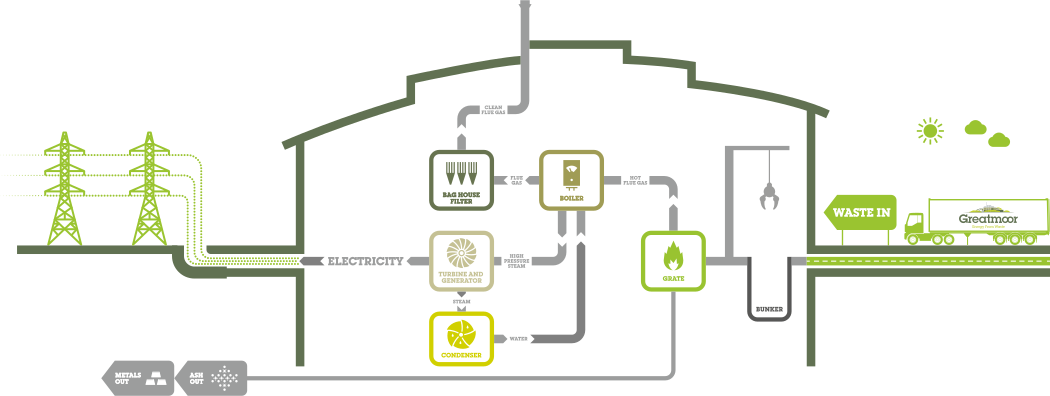
The EfW processes non-recyclable residual waste which had previously been sent for landfill disposal. The process involves burning the residual waste to harvest thermal energy to heat a boiler and produce high pressure steam. The steam produced from the combustion process is used to power a turbine to generate electricity sufficient to supply 40,000 homes.
There are also residual outputs from the EfW process including ash and flue gases. Ashes and unburnt non-combustible materials are removed after the combustion phase and treated to recover metals for recycling prior to landfill disposal. Flue gases and fly ash emitted throughout combustion undergo rigorous physical and chemical processes called flue gas treatment (FGT).
The FGT process neutralises emissions before being released to the atmosphere. The process generates by-products that are removed for landfill disposal following specialist hazardous waste treatment at another FCC facility. Efficient EfW operation moderates the volumes of residual by-product outputs and further recovery methods are used to further reduce this and minimise landfill disposal.
The process of producing Energy from Waste
The use of an EfW to service the residual waste contract was proposed by FCC as a sustainable waste management solution to divert Buckinghamshire’s residual waste from landfill disposal whilst also producing electricity. The location of the facility was selected due to the existing waste management infrastructure in place at Calvert Landfill site and its suitability to service deliveries from across the county. In addition to this, the site also benefits from a rail siding providing the option to import waste via the rail network as identified in Buckinghamshire Minerals and Waste Core Strategy 2012.
Greatmoor EfW employs 44 full time employees. A majority of the staff employed on the contract live within Buckinghamshire itself, with others from the local surrounding areas of Oxfordshire, Northamptonshire and Berkshire. There are a small number of staff who travel from outside of the local vicinity of the contract but the majority are from the area demonstrating good levels of local employment.
For more background on EfW please see the Greatmoor EfW website.
4.2 Waste inputs
A total of 303,137 tonnes were delivered to Greatmoor EfW during the contract year.
The breakdown of waste inputs is shown in Figure 2 and Table 4.
All of the residual waste received at High Heavens WTS was bulked to Greatmoor EfW. Greatmoor EfW has been able to process a large amount of Third Party waste due to plant efficiencies that allowed the site to handle more waste than originally estimated.
| Waste inputs | Tonnes |
|---|---|
| Aylesbury Vale District Council | 32,196 |
| Household Recycling Centre Residual (BCC) | 4,495 |
| High Heavens Waste Transfer Station | 72,063 |
| Total BCC inputs | 108,754 |
| Third Party Residual Waste | 194,383 |
| Total inputs to Greatmoor EfW | 303,137 |
| Residual stock at High Heavens WTS | 399 |
4.3 Outputs
Power generation
26 megawatts (MW) average per hour of electricity was generated during the contract year which is above the designed output of 22.9MW. The line graph in Figure 3 shows the average monthly export of electricity over a full year of operation minus the annual maintenance outage.
The losses in April 2018 were to replace a failed non-drive sprocket in the ash extractor. The failed sprocket meant that IBA could not be discharged. Once the sprocket was replaced, the ash extractor was able to discharge IBA again.
The losses in May 2018 were due to the annual outage.
The losses in January and February 2019 were due to short term shut-downs to allow fabric bag filters and blanking plates in the Flue Gas Treatment plant to be replaced, higher than normal, but still within the permit limit, of particulates had been identified. Since this work was undertaken the particulate levels have reduced to be in line with historic levels.
Residual outputs
Table 5 provides a breakdown of residual waste outputs from Greatmoor EfW during the contract year.
Of the 303,137 tonnes treated at Greatmoor EfW, there were 69,624 tonnes of ash and residues from the process including Air Pollution Control Residues (APCr) and Incinerator Bottom Ash (IBA). Air Pollution Control Residues (APCr) are residual materials from the flue gas treatment process used to control emission limits, this material is sent for specialist hazardous waste treatment at another FCC facility in preparation for landfill. IBA generally consists of non-combustible material residue such as stone and metal following burning of the waste. Once removed, IBA is processed onsite to recover metals for local recycling to further reduce landfill volumes as the remaining material is sent for non-hazardous landfill disposal/restoration material.
| Waste outputs | Tonnes |
|---|---|
| APCr (Landfill – after treatment) | 11,706 |
| IBA (Landfill – after treatment) | 54,586 |
| IBA (Non Landfill) | 3,308 |
| Non-conforming waste | 24 |
| Total outputs | 69,624 |
Other residual material includes non-conforming materials that are considered unsuitable for the process and removed during the pre-sorting and inspection stage. These materials are deemed unsuitable due to potential implications on plant efficiency and emissions controls, unsuitable materials like this are therefore sent for landfill disposal. The volume of non-conforming material is relatively low due to waste inspection procedures in place with BCC and Third Party customers which FCC continue to focus on improving to prevent these materials being landfilled.
A total of 21.2% of all waste handled was sent for landfill disposal from the residual outputs of the EfW process.
The IBA re-processor has removed 536 tonnes of metal recyclable material from the IBA.
Waste inspection procedures
FCC operates a waste inspection procedure at the High Heavens WTS and Greatmoor EfW facilities to ensure waste is suitable for EfW treatment. This is in place to remove materials that could potentially release toxic emissions or affect the efficiency of the plant resulting in downtime or greater proportions of residual outputs through poor combustion processes. For example, large bulky items or high proportions of non-combustible materials could cause blockages or not burn effectively. Ensuring the feedstock is suitable allows the plant to be run more efficiently and therefore maximises throughput and landfill diversion.
The inspection process includes regular inspection and sampling of waste inputs, along with feedback to BCC and other Third Party suppliers to ensure waste specifications are adhered to. Operators at both facilities are trained to inspect waste during tipping to allow non-conforming material to be identified at source. Greatmoor EfW also has a separate bay for inspection of random samples taken from waste deliveries throughout the day. If unsuitable materials are identified during inspection processes, materials are segregated and stored for appropriate collection or landfill disposal. For example, gas cylinders removed from waste will be stored in a locked cage and collected for recycling. FCC endeavour to recover and recycle materials from non-conforming waste to minimise landfill disposal through activities such as shredding bulky waste or collections of scrap metal.
4.4 Environmental management
Greatmoor EfW is regulated by the Environment Agency under the Environmental Permitting Regulations; this integrates various European Commission (EC) directives such as the Industrial Emissions Directive into British law. EC directives are European Legislation that all member states are required to comply with, under European Law. Under this law, FCC are required to have an Environmental Permit in place for the operations carried out at Greatmoor EfW and the facility must comply with the conditions of the permit.
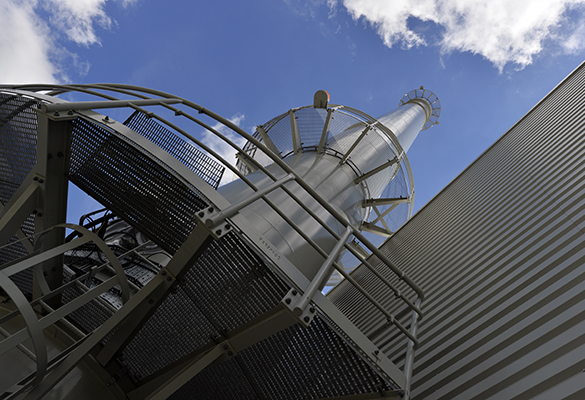
Greatmoor EfW has robust emissions control technologies in place in order to comply with the permit requirements. Gas and ash by products generated from burning waste pass through modern, reliable and well understood combustion and pollution abatement technologies where filters and chemical neutralising systems are used to clean the emissions before leaving the stack and entering the atmosphere. The emissions are closely monitored to ensure compliance with legislation and the requirements of the Environmental Permit is maintained.
Under the Environmental Permit UP3734HT, FCC is obliged to submit an annual report to the Environment Agency detailing compliance with emissions data. This section provides a summary of requirements within the Permit and monitoring data from the second contract year. The report demonstrates there were no Permit breaches at Greatmoor during this period.
Permit monitoring requirements
The monitoring requirements are set out in Schedule 3 of the Environmental Permit. There are continuous and periodic monitoring requirements for various substance emissions displayed in Table 6.
Monitoring methodology of the criteria included in Table 6 includes:
Continuously monitored substances are measured using continuous emissions monitoring system (CEMs) technology. Gas samples are extracted using a sample probe and analysers used to measure concentrations of each parameter. This information updates on the plant control system that is constantly recorded and monitored by the operations team.
Periodic monitoring is carried out twice a year by competent contractors who are accredited by the Environment Agency which is a highly regulated method of emissions testing. Gas samples are taken from the emissions stack and sent for laboratory analysis.
In addition to monitoring emissions, ash residues from the combustion process including Incinerator Bottom Ash (IBA) and Air Pollution Control Residues (APCr) are tested to identify the concentrations of various substances set out in the permit. This information is submitted to the EA as part of the emission reports to gather and monitor data for further investigation if deviations occur. IBA undergoes further testing twice per month for waste characterisation to determine whether it can continue to be classified as non-hazardous.
| Substance | Continuously | Periodically |
|---|---|---|
| Particulates | ✔ | |
| Total organic carbon | ✔ | |
| Hydrogen chloride | ✔ | |
| Carbon monoxide | ✔ | |
| Sulphur dioxide | ✔ | |
| Nitrogen oxides | ✔ | |
| Ammonia | ✔ | |
| Nitrous oxide | ✔ | |
| Hydrogen fluoride | ✔ | |
| Cadmium & Thallium | ✔ | |
| Mercury | ✔ | |
| Heavy metals | ✔ | |
| Dioxins and furans | ✔ |
Emissions limits
The Environmental Permit specifies Emission Limit Values (ELV) for all of the monitoring criteria. The plant emissions must not exceed these limits to ensure compliance is maintained and if emissions limits are exceeded, notification must be submitted to the Environment Agency. There were no exceedances of emissions limits throughout operation of the plant during the contract year.
Continuous monitoring limits
The limits specified in the Environmental Permit refer to averages of a half hour and a 24 hours period and are displayed in Table 7. Emission limit values are therefore reported using these metrics.
| Substance | Half hour average (mg/m³) | Daily average (mg/m³) |
|---|---|---|
| Particulates | 30 | 10 |
| Hydrogen chloride | 60 | 10 |
| Nitrogen oxides | 400 | 200 |
| Sulphur dioxide | 200 | 50 |
| Total organic carbon | 20 | 10 |
| Substance | 10 min average (mg/m³) | Daily average (mg/m³) |
| Carbon monoxide | 150 | 50 |
The graph in Figure 4 shows the combined results for the operational period for each criterion that requires continuous monitoring displayed as half hour maximum and maximum average measured over a 24 hour period as a percentage of the specified Emission Limit Value (ELV).
Figure 4 shows that the maximum half hourly and daily emissions were all within the limits as the chart displays each value as a percentage of the limits specified in the Environmental Permit. Therefore, each limit was 100% compliant during the contract year which can also be shown in the compliance summary in Table 8.
| Monitoring Element | Compliance |
|---|---|
| Particulates | 100% |
| Carbon monoxide | 100% |
| Total organic carbon | 100% |
| Hydrogen chloride | 100% |
| Sulphur dioxide | 100% |
| Nitrogen oxides | 100% |
Periodic monitoring
Under the Environmental Permit, FCC is also required to undertake quarterly stack emission testing which is part of the emissions monitoring requirements as shown in Table 6. Results of the periodic monitoring are displayed in Figures 5 and 6.
Figure 5 shows the highest levels of dioxins and furans are at 12.74% of the limit. Figure 6 shows the levels of Cadmium and Thallium, Heavy metals, Mercury and Hydrogen fluoride as a percentage of the limit and all levels are within the limits specified within the permit, all of them being below 11.38% of the limit. This data demonstrates that all the quarterly emission values are significantly less than the 100% limits specified in the Permit.
In addition to emissions to air; the site also has limits relating to the quality of Incinerator Bottom Ash (IBA) to demonstrate that the process provides good levels of combustion. All data taken and submitted during the contract year showed good levels of compliance for Ash residues; with analysis also demonstrating the Ash to be non-hazardous in nature.
Summary of Plant Compliance
There were no notifications of emission exceedances throughout the contract year. The results of the emissions monitoring requirements as above show emissions performance was below limits for all criteria for both continuous and periodic monitoring and therefore compliant with the environmental permit.
4.5 Complaints
Greatmoor EfW received two complaints in the contract year. Details of the complaints are listed below.
The first complaint, received in April 2018, was due to banging and explosion noises that could be heard coming from the facility from nearby Grendon Underwood. The noise is thought to have originated from operations on the IBA pad.
Greatmoor EfW has implemented additional noise control measures over the contract year, including earth banks around the IBA pad and additional, ongoing monitoring to mitigate noise emissions. Should there be any future complaints raised, these will be investigated on location and measures put in place.
The second complaint was made by a member of the public, who complained about haulage trucks speeding on Chearsley Road in Long Crendon, late at night. The complaint was investigated by examining the direction the vehicle had travelled to determine if that was a route of delivery to site. It was found not to be the case. The registration and vehicle make and model also did not match that of vehicles used by our haulage providers. The complaint was also made about a vehicle travelling late at night during which vehicles wouldn’t be delivering to either site. A response was sent to the complainant.
5.0 Integrated Management System
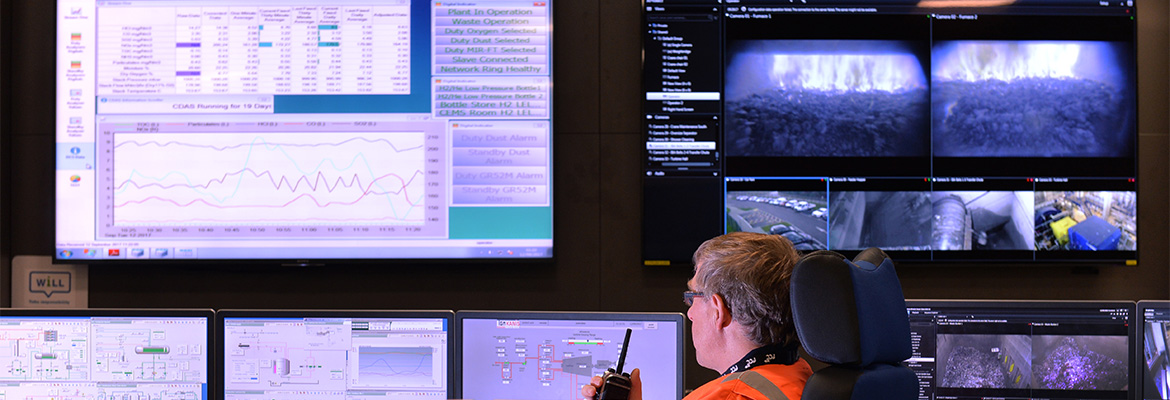
FCC operates an Integrated Management System (IMS) to ISO 9001, ISO 14001, OHSAS18001 and ISO 50001 standards and all contract facilities are managed and operated under the IMS requirements. The IMS is in full use at both Greatmoor EfW and High Heavens WTS.
5.1 Accreditation
The contract facilities have been audited by British Standards Institute (BSI) and accreditations for the above standards achieved at both facilities.
5.2 Internal auditing
Greatmoor EfW and High Heavens WTS have both undergone internal IMS audits within the contract year and both successfully passed with scores above 95% which is shown in Table 9.
| Facility | Audit date | Audit score | No. NCRs |
|---|---|---|---|
| Greatmoor | 06/02/2019 | 95.24% | 4 |
| High Heavens | 25/04/2018 | 97.62% | 2 |
5.3 Other internal audits
FCC also undertakes legal compliance audits at the facilities that focus on legal compliance of specific Health & Safety and Environmental regulations.
6.0 Maintenance Management
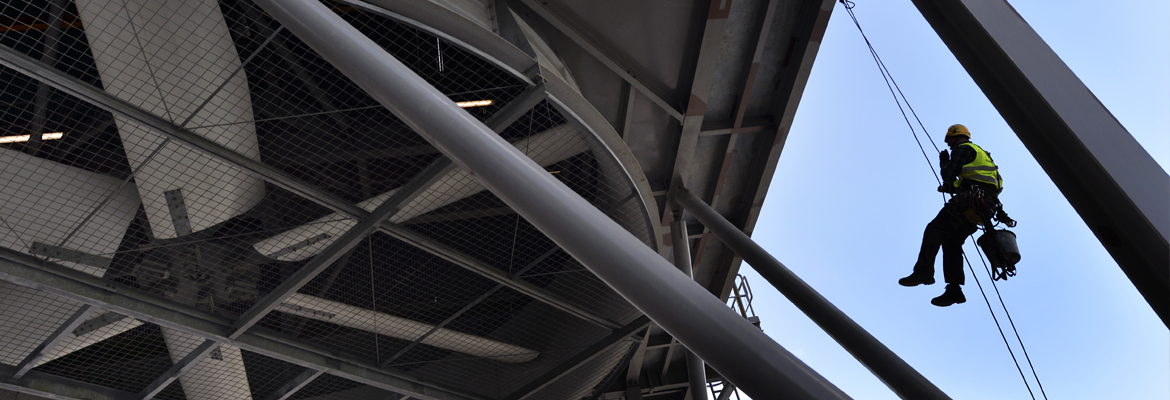
Maintenance management is in place at all contract facilities to ensure they operate efficiently, safely and demonstrate compliance with necessary legislation.
Greatmoor EfW utilises a maintenance management system called Dynamics AX. This software package allows for robust scheduling and tracking of maintenance to ensure maintenance management is carried out efficiently.
Greatmoor EfW carries out an annual shutdown to undertake lifecycle maintenance and overhaul of wear parts to ensure plant performance and longevity is sustained. This year the annual shutdown was carried out in May. When the annual shutdown is undertaken, scheduling and management of waste inputs will be put in place to ensure that contract waste continues to be delivered during the shutdown periods.
6.1 Maintenance issues
During the contract year the following major maintenance issues were rectified:
In April 2018 a non-drive sprocket in failed in the ash extractor. The failed sprocket meant that IBA could not be discharged. Once the sprocket was replaced, the ash extractor was able to discharge IBA again.
In January 2019 higher than normal bag house dust levels in compartments 15, 17, and 20 dictated the plant should come off line to investigate the reason for the elevated dust levels. The down time was extended due to boiler slag jamming the 2nd and 3rd pass conveyor necessitating boiler entry to remove large pieces. The primary air preheater was cleaned whilst the plant was off line.
In February 2019 the plant tripped due to low furnace pressure when trying to return the plant to service following replacement of 24 suspect filter bags. Since the works undertaken during January and February on the Flue Gas Treatment plant, it has resulted in the particulate level reducing to a more normal level. As seen in Section 4.4 above at no time did the EfW exceed the permit limit.
Availability losses
Throughout the year all losses due to plant faults are logged and reported in the monthly report. Table 10 indicates all of the major losses (greater than 1 day):
| Date | Reason for loss | Returned to service date | Total loss (days) |
|---|---|---|---|
| 12/04/2018 | Line off to replace ash extractor sprockets | 14/04/2018 | 2.5 |
| 19/05/2018 | Line off for annual outage | 26/05/2018 | 18 |
| 21/01/2019 | Line off due to high dust levels | 24/01/2019 | 4 |
| 24/02/2019 | Line off due to low furnace pressure trip | 27/02/2019 | 3 |
| Total | 27.5 | ||
7.0 Community liaison
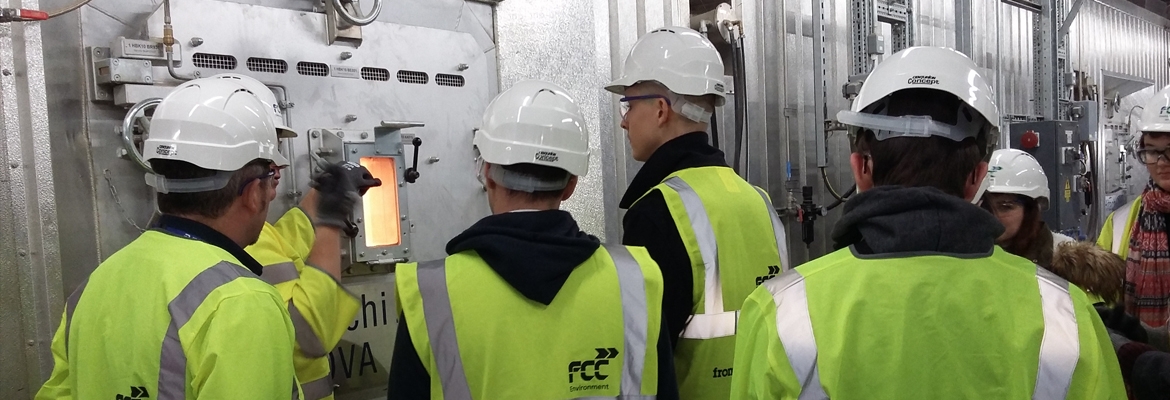
FCC employs a dedicated Waste Awareness and Education Manager with the aim to raise public awareness of waste issues, including waste prevention, reuse and recycling through educational initiatives.
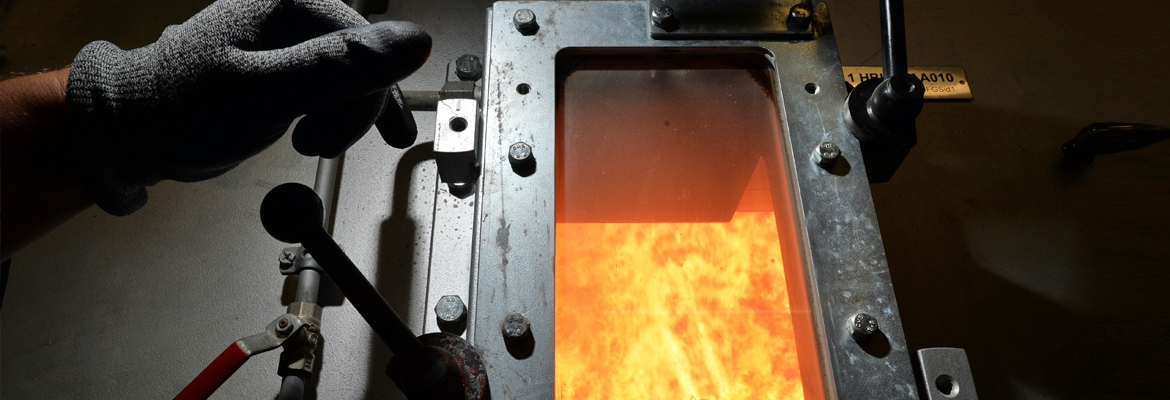
Greatmoor EfW has an on-site visitor centre which hosts site tours of the facility for local community groups and schools. Tours include showing visitors the control room to demonstrate how the plant is operated, along with views of waste tipping into the 23m deep bunker, and loading the system by the large grab crane. Visitors can also look inside the furnace inspection hatch to see waste being burnt.
As well as hosting on-site tours, FCC also carry out outreach visits to involve local schools within the county. The Waste Awareness and Education Manager attends school classes and assemblies to educate and raise awareness about recycling and waste management.
7.1 Greatmoor EfW Visitor Centre
The headline figures for 2018–19:
- 1,508 Visitors
- 155 Tours
- 2,011 attended Outreach Events
- Double the % of visitors from schools and colleges
- 93.3% Excellent or Very Good feedback across six key questions
This shows a 3% drop in visitor numbers from the previous year. Part of the drop is attributable to three weeks’ worth of visits in March unfortunately having to be cancelled, due to the ill health of the Education Manager. Had these visits gone ahead then an increase in visitor numbers would have been recorded.
Analysis of the visitors shows a large increase in visitors from schools and higher educational facilities.
| 1st April 2018 - 31st March 2019 | 1st July 2017 - 31st March 2018 | |
|---|---|---|
| Adult Visitors | 1,058 | 1,178 |
| Under 16s | 450 | 381 |
| Total Visitors | 1,508 | 1,559 |
| No of Tours | 155 | 153 |
Figures 7 and 8 show an increase of 17% in visits from Schools and Higher Education facilities resulting in a 15% decrease in percentage proportion of Buck’s community visitors. The percentage proportions for other visitors remain fairly consistent.
7.2 Outreach visits
During the contract year 17 outreach visits were undertaken to raise awareness on prevention, reuse and recycling. A total of 1,583 people took part in the outreach visits.
|
Type of Visit
|
No of Visits
|
No of Under 16s
|
No of Adults
|
No of Assemblies
|
No of Activity Sessions
|
|---|---|---|---|---|---|
| Primary Schools | 6 | 583 | 31 | 3 | 9 |
| Secondary Schools | 2 | 229 | 18 | 0 | 16 |
| Big Bang Conference | 2 | 675 | 130 | 0 | 2 |
| Bucks Skills Show | 2 | 81 | 84 | 0 | 0 |
| Community Groups | 4 | 1 | 155 | 3 | 1 |
| Special Needs Schools | 1 | 14 | 10 | 0 | 1 |
| Total | 17 | 1,583 | 428 | 6 | 29 |
7.3 Other highlights
Art Project
Artist Sarah Moncrieff worked with Greatmoor in the creation of six oil paintings – showing the exterior of Greatmoor, grab cranes, boiler, condenser fans, turbine hall and tipping hall.
The paintings were open for public viewing for eight days during Art Weeks in June. The paintings are now hung in the Boardroom and Visitor Centre at Greatmoor.
In November, Sarah returned to Greatmoor, running a “Drawing Greatmoor”, one-day course which was fully booked with 15 participants.
The sculpture for the Greatmoor entrance has been completed by blacksmith Julie Grose and installation is expected in summer 2019.
Website
Visits to the website increased this year with a 27% increase in page views and a 52% increase in users. Highest access rates were in October and November when the Joint Waste Team for the south of the county included information about Greatmoor on their Christmas collection timetable leaflet. Visit the Greatmoor EfW website.
Users
6,369 (6,194 new users)
Sessions
9,167
Page Views
22,005
Open Days
In addition to the organised tours provided at Greatmoor EfW for local community groups and schools, FCC also holds open days at the facility where members of the public can attend a tour of the EfW. This provides an opportunity for those not involved with local community groups to visit the facility. In the previous year, four open days were held on Saturdays. Due to high demand for places, weekday open tours were added this contract year. 12 weekday open tours and three Saturday open days were held this contract year.
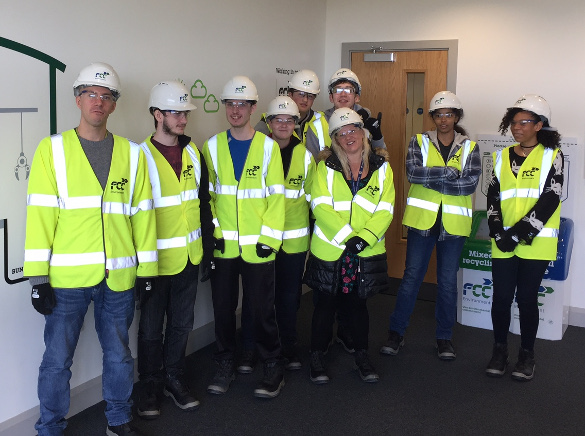
7.4 Summary of visitor feedback
FCC encourages feedback from those visiting Greatmoor EfW by providing feedback forms after tours. The information gathered in these forms is used to highlight positive comments and also identify areas for improvement, to continuously focus on delivering the best service possible. Feedback from visitors has been excellent, comments included the structure of the visits and suitable levels of detail for the audience providing attendees with a classroom overview to gain an initial understanding followed by seeing the plant in action. Visitor feedback has also shown commitment to change behaviours towards recycling, reuse and waste minimisation.
Feedback from visitors has shown an overall improvement from the previous contract year of 2%. The biggest improvement has been in the visitor centre facilities with a 9% improvement.
| Tour Section | % Excellent or Very Good 2018-2019 | % Excellent or Very Good previous year | % Variance |
|---|---|---|---|
| Introduction | 97 | 94 | 3.00% |
| Guided Tour | 95 | 95 | 0.00% |
| Visitor Centre Facilities | 98 | 90 | 9.00% |
| Visitor Centre Staff | 98 | 100 | -2.00% |
| Information provided before visit | 88 | 85 | 4.00% |
| Greatmoor website | 84 | 85 | -1.00% |
| Overall average | 93.3 | 91.5 | 2.00% |
7.5 Liaison Group meetings
Since April 2018, there have been two Greatmoor Liaison Group meetings. The meetings occur regularly and from Service Commencement have been held in conjunction with the Calvert Landfill Community Liaison Group (CLG). These sessions are attended by local residents, parish councillors, interest groups, EA officers, BCC officers, Councillors and FCC. The Greatmoor CLG is an opportunity for members to ask questions in relation to the EfW and raise issues of concern.
High Heavens also has a joint High Heavens Liaison Group attended by similar groups as the above. As the site is also shared with other operators, representatives from each operation are also in attendance to provide a collaborative response to queries or concerns raised in the meetings.

8.0 Conclusion
The third contract year for the Buckinghamshire residual waste contract between BCC and FCC has built on the success of the previous contract years.
FCC has delivered a service this contract year that has been safe, environmentally friendly and efficient through excellent operational performance at the facilities on the contract. The performance at Greatmoor EfW also exceeded expectations due to effective process management and delivered a successful maintenance outage. There has also been a lot of success in optimising the system to increase the efficiency of the plant and lower consumable usage.
In addition to this, utilising a bulking transfer station at High Heavens WTS has provided a significant reduction in transport mileage waste movements to the EfW due to the geography of the contract with large proportions of contract waste being moved through the facility from the south of the county.
Following these successes of the contract year, FCC will continue to ensure a robust service delivery is maintained for BCC into the next contract year and beyond.
For more information about FCC Greatmoor, please visit http://www.greatmoor.co.uk
For more information about FCC Environment, please visit http://www.fccenvironment.co.uk/
For more information about Energy from Waste from Buckinghamshire County Council, please visit http://www.buckscc.gov.uk/services/waste-and-recycling/energy-from-waste/