


Contents
- 1.0 Introduction
- 2.0 Waste management
- 3.0 High Heavens WTS 3.1 Background 3.2 Waste inputs 3.3 Waste outputs 3.4 Waste transfer 3.5 Transport fleet 3.6 Environmental management 3.7 Complaints
- 4.0 Greatmoor EfW 4.1 Background 4.2 Waste inputs 4.3 Waste outputs 4.4 Environmental management 4.5 Complaints
1.0 Introduction
Buckinghamshire County Council Waste Management Project
Annual Service Report
Contract Year 4
1st April 2019 – 31st March 2020
In 2013, Buckinghamshire County Council (BCC) awarded FCC Buckinghamshire Limited (FCC Environment) a 30 year contract for the management and treatment of household residual waste.
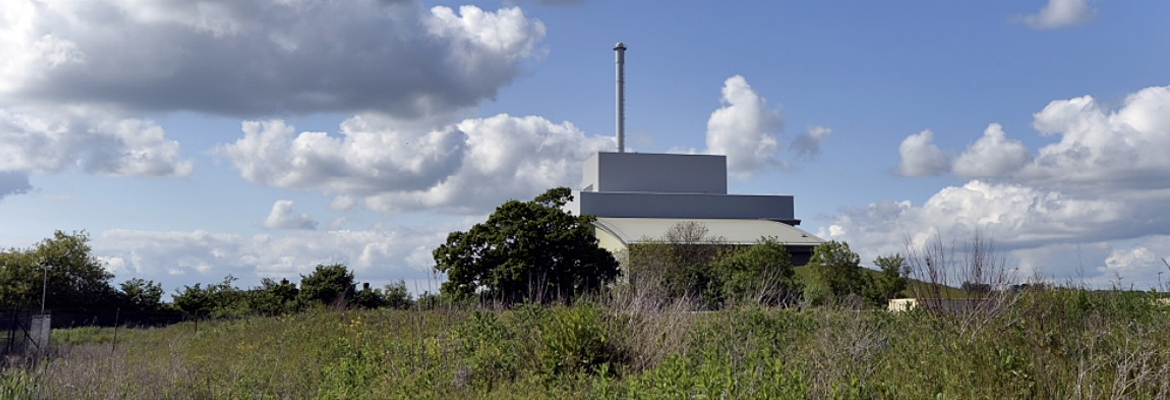
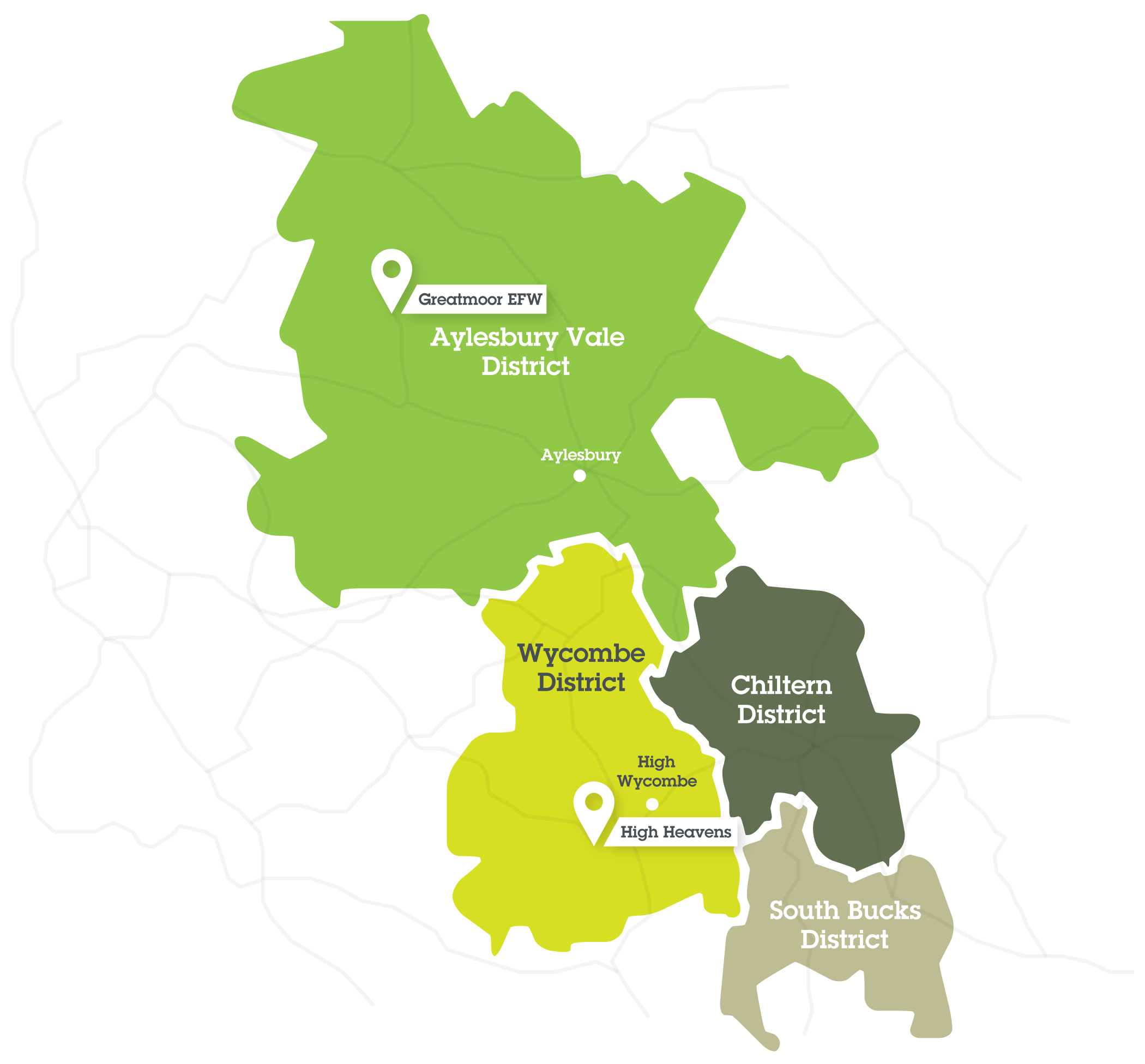
To manage and treat this residual waste, FCC Environment constructed, and now operate and maintain, the Greatmoor Energy from Waste (EfW) facility, which is located to the north of Buckinghamshire County. This Energy from Waste facility is used to dispose of residual waste that was otherwise destined for landfill, whilst recovering energy from the waste to generate electricity. The facility generates enough electricity to power over 40,000 homes.
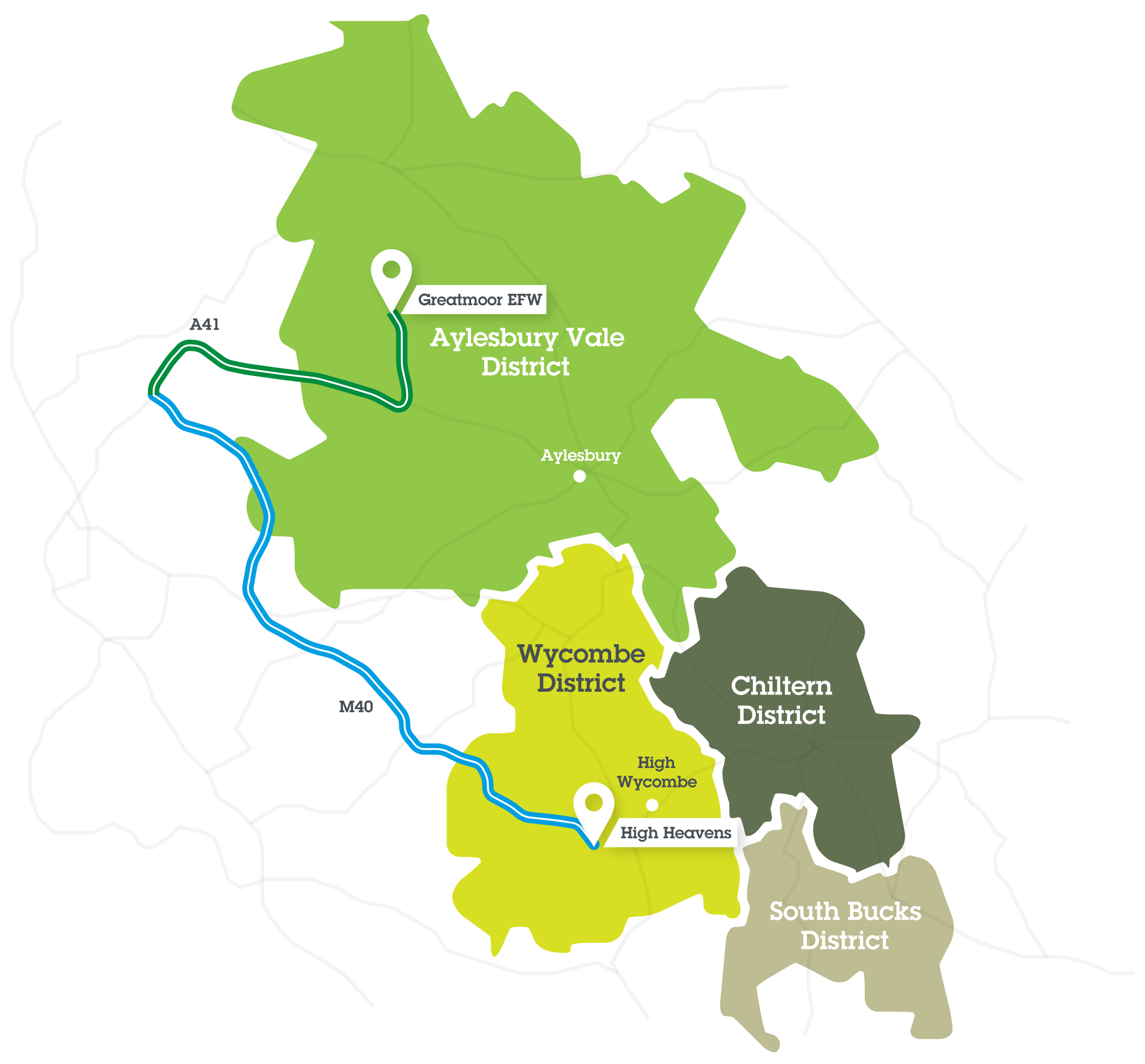
To facilitate transporting residual waste from Southern Buckinghamshire to Greatmoor EfW, FCC Environment constructed, and now operate and maintain, High Heavens Waste Transfer Station (WTS). This waste transfer station is designed to bulk up waste from Chiltern, Wycombe and South Bucks District Councils delivered to the facility by Refuse Collection Vehicles (RCV).
Waste from Household Recycling Centres (HRCs) is also delivered either directly to Greatmoor EfW or to High Heavens WTS. Bulking up waste into large articulated vehicles is an efficient method for reducing delivery miles. Residual waste from Aylesbury Vale District Council (AVDC) and HRC sites in the north of the county is directly delivered into Greatmoor EfW due to the close proximity to the facility.
The contract entered operation in June 2016, following the construction and commissioning of both facilities. This is the Fourth Annual Service Report, which provides details of FCC Environment’s contract performance from April 2019 to March 2020.
During the fourth contract year
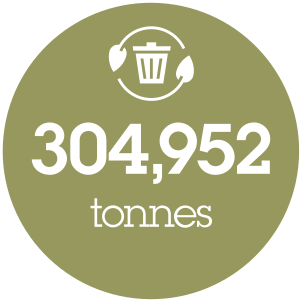
of residual waste were processed for energy recovery, with 104,013 tonnes of waste processed directly from BCC.
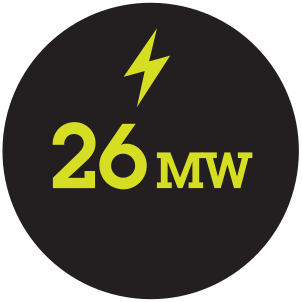
of electrical power is generated from the residual waste energy recovery at Greatmoor EfW.
Our electricity output was the equivalent to that needed to power 40,000 homes.

through the operation of High Heavens Waste Transfer Station to feed contract waste to Greatmoor EfW

engaged with during 21 educational outreach sessions.
to Greatmoor over 166 community engagement tours.

with the Environmental Permit at both facilities.

of electrical power was exported to the National Grid system.
2.0 Waste management
Total waste volumes handled
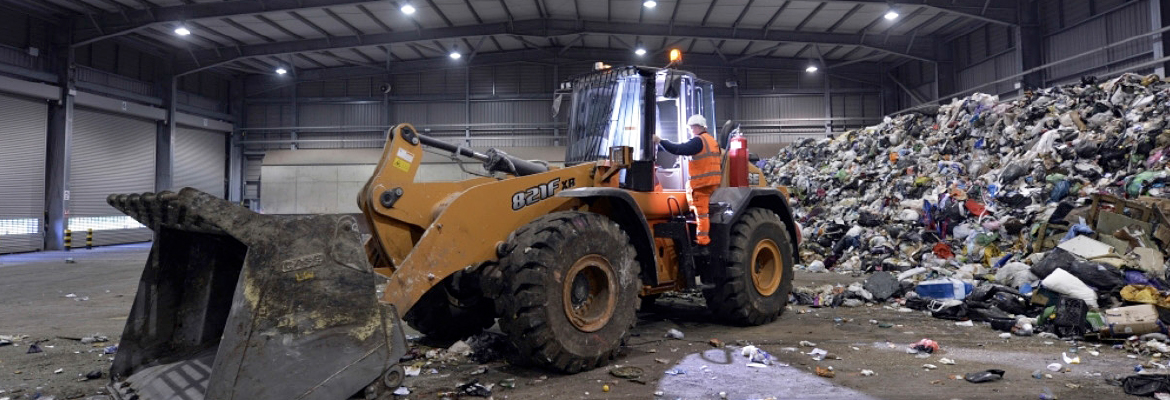
During this contract year, FCC Environment have processed 304,952 tonnes of residual waste across both facilities. BCC Contract Waste was delivered by all the Buckinghamshire District Councils and also from Household Recycling Centres (HRC). Bulky waste from the District Councils, as well as HRCs, is shredded and delivered to Greatmoor EfW via High Heavens WTS, reducing waste that would otherwise be sent to landfill. In addition to BCC Contract Waste, Greatmoor EfW also receives Third Party Residual waste. A full summary of the total waste inputs across both facilities is featured in Table 1.
| Waste inputs | Tonnes |
|---|---|
| Aylesbury Vale District Council | 32,917 |
| Chiltern & Wycombe District Councils | 44,511 |
| South Bucks District Council | 10,666 |
| Household Recycling Centre Residual (BCC) | 10,301 |
| Shredded Bulky Waste (BCC) | 5,618 |
| Total Contract Waste Handled | 104,013 |
| Third Party Residual Waste | 200,939 |
| Total inputs to Greatmoor EfW | 304,952 |
3.0 High Heavens Waste Transfer Station
3.1 Background
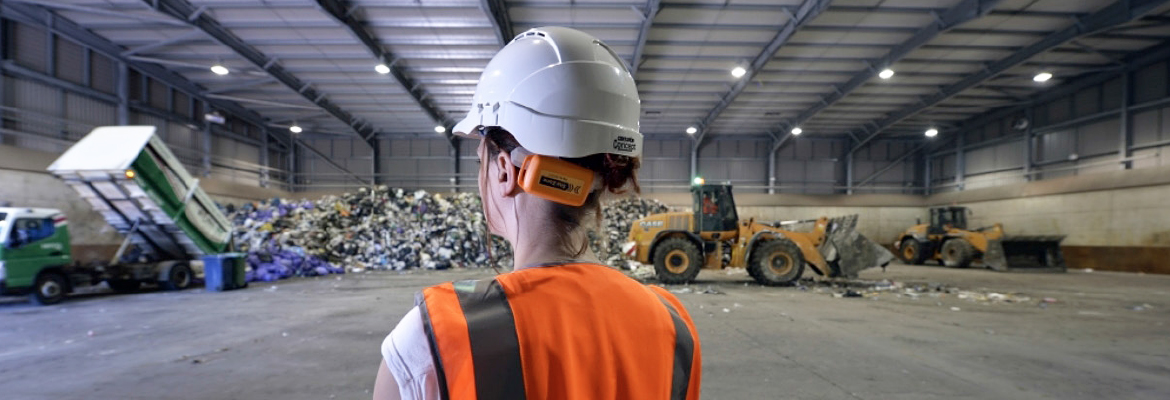
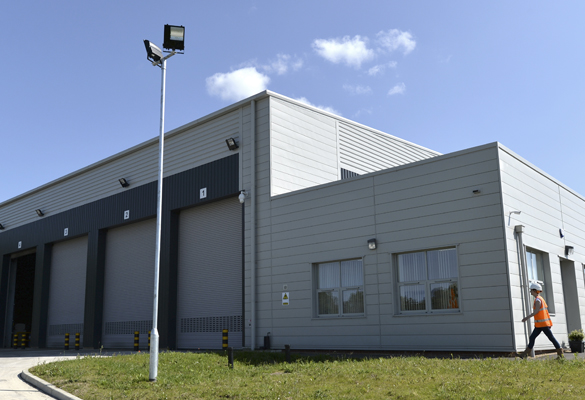
High Heavens WTS is situated at the High Heavens Waste Treatment Complex in High Wycombe, located to the south of the county. This BCC waste treatment complex contains several waste operations and the WTS was developed specifically for residual waste.
High Heavens WTS was constructed and commissioned by FCC Environment and entered into commercial operation in November 2015, in advance of the original June 2016 handover. High Heavens WTS is used as the local delivery point by the Southern District Councils to transfer residual waste to be processed at Greatmoor EfW. The waste is loaded onto articulated vehicles to transfer to Greatmoor EfW, reducing the number of transport miles required. This central delivery point provides efficient waste transfer, compared with RCVs delivering directly to the EfW facility. As well as significantly reducing waste transport miles, this also reduces the time, costs and associated environmental impacts of the service, allowing the waste services to operate more efficiently in the areas that are needed. As a condition of planning permission, there is a designated transport route (45.3 miles) between High Heavens WTS and Greatmoor EfW, which maximises the use of major roads and motorways whilst reducing the use of minor roads that are not suitable for larger vehicles.
3.2 Waste inputs
During this contract year, High Heavens WTS processed over 67,691 tonnes of residual waste, demonstrating the benefits of bulking waste from a highly populated region. Figure 1 identifies the percentage breakdown of waste delivered to High Heavens WTS by supplier and Table 2 identifies the amount of waste delivered.
| Waste inputs | Tonnes |
|---|---|
| Chiltern and Wycombe District Councils | 44,511 |
| South Bucks District Council | 10,666 |
| Household Recycling Centre Residual (BCC) | 6,936 |
| Shredded bulky waste (BCC) | 5,578 |
| Total | 67,691 |
3.3 Waste outputs
The majority of waste from High Heavens WTS is bulked residual waste destined for Greatmoor EfW.
Bulky waste is unsuitable for processing at Greatmoor EfW and is removed for shredding at the neighbouring treatment facility before returning the waste back into the delivery stream. Oversize waste is undesirable for Greatmoor EfW as it directly affects combustion efficiency and energy recovery; and can cause significant blockages within the plant. The major benefit to shredding oversize waste is that it can still be processed at the EfW facility that would otherwise be sent to landfill. Additional benefits are non-conforming waste can be separated, disposed or recycled prior to delivery.
No ad-hoc waste was delivered into High Heavens in the contract year.
3.4 Waste transfer
Transport savings through bulk transfer of waste from High Heavens WTS
Bulking operations of BCC Contracted Waste at High Heavens WTS successfully reduced transportation miles by 125,336 miles during this contract year. The breakdown of this is shown in Table 3.
The transportation saving is calculated by analysing the delivery tonnes and mileage travelled from each location and adding the bulking transfer mileage to Greatmoor EfW. The transportation mileage saving takes into account a predetermined route (45.3 Miles) from High Heavens WTS to Greatmoor EfW, as defined in the planning permission. We have used the theoretical vehicle mileage for direct deliveries into Greatmoor EfW, rather than the actual mileage to High Heavens WTS.
Since year 3 of the contract (April 2018 to March 2019), the average residual waste payload collected from High Heavens WTS improved by 2%, from 23.93t to 24.49t per collection. The improved payload is part of High Heavens WTS commitment to continual improvement in the area of transport savings by reducing the number of deliveries required throughout the year.
| Waste transferred | Vehicle movements saved | Miles saved due to bulk transfer of waste from High Heavens WTS |
|---|---|---|
| BCC Residual | 10,063 | 107,396 |
| Household Recycling Centre Residual (BCC) | 701 | 11,544 |
| Shredded bulky waste (BCC) | 141 | 6,397 |
| Total | 10,905 | 125,337 |
Transport mileage savings
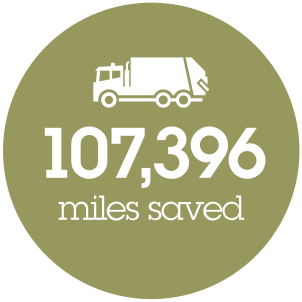
on district council collections. That’s more than four times around the world.
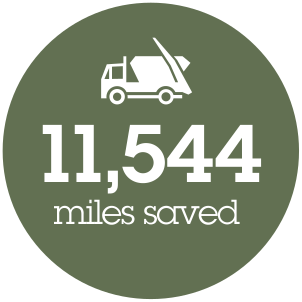
on residual waste from Household Recycling Centres, the equivalent of a return trip from London to Shanghai.

on Shredded bulky waste. That’s the same as a round trip from London to Ho Chi Minh.
3.5 Transport fleet
On 1 June 2016, FCC Environment awarded a residual waste haulage contract to Fred Sherwood and Sons Limited to transport waste between HH WTS and Greatmoor EfW, and has continued to develop a strong partnership and a successful service.
The haulage contract includes service performance guarantees to ensure the availability of a sufficient number of delivery vehicles to ensure High Heavens WTS remains in operation.
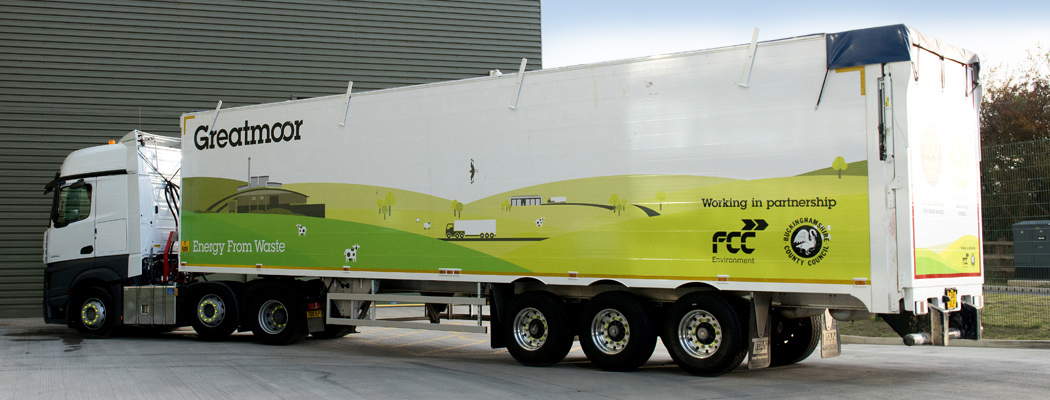
Branded haulage trailers are in service promoting the partnership between BCC, FCC Environment and the Greatmoor EfW brand.
3.6 Environmental management
High Heavens WTS operates under a Pollution Prevention and Control permit (PPC number XP3091ER) issued by the Environment Agency. There were no PPC permit breaches and the Environment Agency did not conduct a site inspection during this contract year.

3.7 Complaints
During the contract year, one complaint was raised at High Heavens WTS. The complaint related to a member of the FCC Environment team using inappropriate language to a Serco delivery driver (C0025). The complaint was investigated and the FCC Environment employee was reprimanded.
The site received no litter complaints during this contract year, which reflects the continued hard work by site staff to keep the site in good order. The continued reduction in complaints demonstrates FCC Environment’s commitment to improving service delivery and site reputation.
4.0 Greatmoor EfW
4.1 Background
FCC Environment operate and maintain the Greatmoor EfW facility that is located to the north of Buckinghamshire County and adjacent to the FCC Environment Calvert Landfill site. Construction of the EfW plant commenced in September 2013 and the plant became fully operational in June 2016.
The location of the Greatmoor EfW was selected due to the existing waste transport infrastructure to the Calvert Landfill site and the suitability of deliveries from across Buckinghamshire County. Greatmoor EfW also benefits from a rail siding at the landfill site providing options to transport waste via train to the facility from other locations outside of Buckinghamshire.
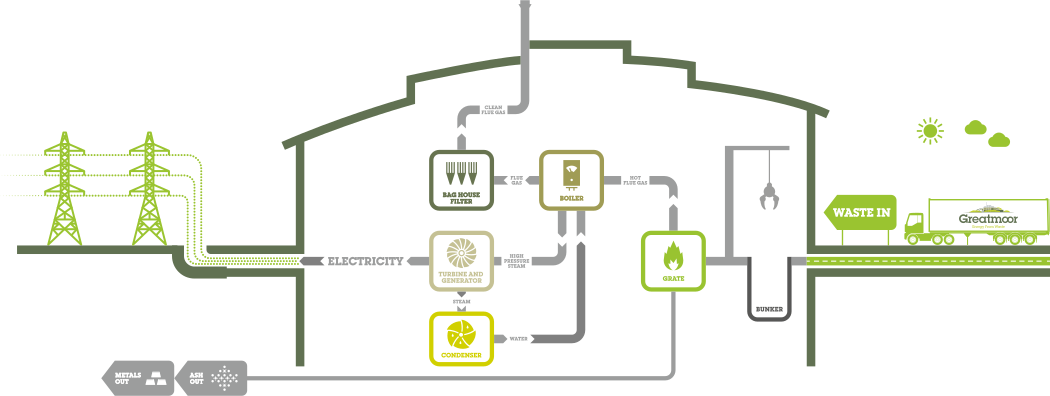
Greatmoor EfW processes non-recyclable household residual waste that would have previously been sent to landfill for disposal. The process involves incinerating the waste to recover energy, which then heats a boiler to produce high pressure, high temperature steam. This steam is used to drive a Steam Turbine Generator to generate enough electricity to power over 40,000 homes.
The EfW process generates by-products (residues), such as ash and combustion exhaust gases. The Incinerator Bottom Ash (IBA) is removed after the combustion stage and is continually inspected, with all non-combustible materials separated and recycled, with the remaining ash used as landfill aggregate. The Air Pollution Control residues (APCr or Fly Ash) produced are removed from the combustion exhaust gases and sent to a facility to be neutralised before being landfilled. Combustion exhaust gases are treated through a complex Flue Gas Treatment (FGT) process that removes harmful emissions before being released to the atmosphere. All emissions to the atmosphere are rigorously controlled and managed by the onsite team and continually monitored by the Environment Agency.
The process of producing Energy from Waste
4.2 Waste inputs
A total of 304,871 tonnes of household residual waste were delivered and processed at Greatmoor EfW during this contract year.
The breakdown of waste inputs is presented in Figure 2 and Table 4.
All of the residual waste received at High Heavens WTS was bulked to Greatmoor EfW. Greatmoor EfW has been able to process a large amount of Third Party waste due to plant efficiencies that allowed the site to handle more waste than originally estimated.
| Waste inputs | Tonnes |
|---|---|
| Aylesbury Vale District Council | 32,917 |
| Household Recycling Centre Residual (BCC) | 3,365 |
| High Heavens Waste Transfer Station | 67,610 |
| Shredded bulky waste (BCC) | 40 |
| Total BCC inputs | 103,932 |
| Third Party Residual Waste | 200,939 |
| Total inputs to Greatmoor EfW | 304,871 |
4.3 Waste outputs
Power generation
The Steam Turbine Generator is designed to generate up to 32 megawatts (MW) of electrical power. The facility house load is up to 6 MW and the resultant 26 MW of power is exported to the National Grid system.
The contract base case exports 23 MW of electrical power and the measurement of how many MW are generated over the specified amount of time is referred to as Megawatt hours (MWh). In this contract year Greatmoor EfW exported 190,888 MWh of electrical generation.
As highlighted in Figure 3, the amount of electricity generated varied over the contract year. The reduction in the amount of power exported in May was due to the planned annual outage and the reduction in export power in September, October and November were due to plant breakdowns.
Residual outputs
From the 304,871 tonnes of residual waste treated at Greatmoor EfW, 62,742 tonnes of ash and residues were removed from the process, representing approximately 20% of all waste handled sent for landfill disposal. In addition, 3,068.86 tonnes of metal was separated out from the IBA and recycled. Table 5 provides a breakdown of residual waste outputs from Greatmoor EfW during the contract year.
Non-conforming waste materials are unsuitable for the EfW process and are removed during the pre-sorting and inspection stages. These materials are removed from the waste source to prevent impacting on the plant’s combustion efficiency and emissions control. As highlighted above, the volume of non-conforming waste material received at Greatmoor EfW is low and FCC Environment have waste inspection procedures to ensure the amount of non-conforming waste from Buckinghamshire County Council and Third Party suppliers remains low.
| Waste outputs | Tonnes |
|---|---|
| APCr (Before treatment) | 11,414.18 |
| IBA (Before separation) | 51,277.95 |
| Non-conforming waste | 49.90 |
| Total outputs | 62,742.03 |
Waste inspection procedures
FCC Environment operates waste inspection procedures at both High Heavens WTS and Greatmoor EfW facilities to ensure the incineration of non-conforming waste is minimised as far as reasonably practicable. The removal of non-conforming waste minimises the potential impacts to the operation of plant and any subsequent harmful emissions to the atmosphere. Random inspection activities are scheduled daily throughout the operation of both facilities and any removed waste will be managed appropriately and returned back to their original supplier were practicable.
4.4 Environmental management
Greatmoor EFW is regulated by the Environment Agency under the Pollution Prevention and Control Permit (PPC) that is issued to the facility. The PPC integrates specific UK and European Environment and Waste Management directives to ensure the operator acts responsibly to prevent a failure to comply with these regulations.
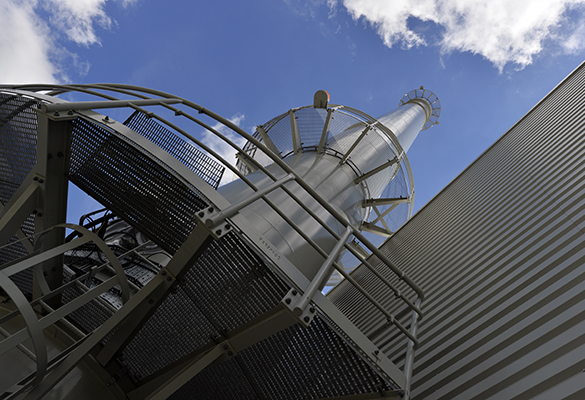
A significant environmental risk for all EfW plants is the emissions to atmosphere. Greatmoor EfW has Continuous Emissions Monitoring (CEMS) equipment installed in the exhaust gas system to constantly monitor for harmful emissions. This real time data is recorded and presented to the Environment Agency as evidence that the facility complies with the PPC emissions limits. The Greatmoor EfW operations staff continually analyse the CEMS emissions data to ensure the plant is operated with PPC regulations. If there is any approach to these limits, the operator will take action to prevent an environmental incident ensuring the requirements of the Environmental Permit are maintained.
IBA and APCr residues are periodically inspected and tested by an independent UKAS accredited laboratory to ensure the residue characterisation has not changed and is being appropriately managed.
The PPC Permit UP3734HT requires FCC Environment to prepare and submit quarterly and annual reports detailing the facilities environmental performance. Regardless of this requirement, FCC Environment proactively manages the facility’s environmental performance with the Environment Agency in real time. As demonstrated in the following section, there were no Permit breaches at Greatmoor EfW during the contract year.
Permit monitoring requirements
The emission monitoring requirements are set out in Schedule 3 of the PPC Permit. There are two types of substance emissions monitoring, continuous (all the time) and periodic (quarterly).
Continuously monitored emissions are measured using CEMs technology. Exhaust gas sample probes extract concentration samples that analyse and measure each emission parameter. This information automatically updates on the plant control system and is recorded in a dedicated read only data acquisition system. The facility operations team constantly monitor this CEMS data against the plant performance.
Periodic extractive sampling is carried out twice a year by a competent UKAS accredited specialist contractor. Extractive exhaust gas samples are removed independently from the CEMS equipment and analysed in laboratory conditions.
| Substance | Continuously | Periodically |
|---|---|---|
| Particulates | ✔ | |
| Total organic carbon | ✔ | |
| Hydrogen chloride | ✔ | |
| Carbon monoxide | ✔ | |
| Sulphur dioxide | ✔ | |
| Nitrogen oxides | ✔ | |
| Ammonia | ✔ | |
| Nitrous oxide | ✔ | |
| Hydrogen fluoride | ✔ | |
| Cadmium & Thallium | ✔ | |
| Mercury | ✔ | |
| Heavy metals | ✔ | |
| Dioxins and furans | ✔ |
Emissions limits
The PPC Permit specifies Emission Limit Values (ELV) for all emission substance monitoring. The plant emissions must not exceed these limits to ensure PPC compliance. In the event of plant abnormal operation affecting the emissions to atmosphere above the ELVs the Environment Agency shall be formally notified. During this contract year no ELVs were exceeded.
The ELVs specified in the PPC Permit refers to half hourly and a 24 hour averages displayed in table 7.
Continuous monitoring limits
Figure 4 depicts the maximum concentration percentage half hourly and full daily emission for the period of April 2019 to March 2020. The graph shows that at no point during the contract year did the facility emissions approach or exceed the ELVs. N.B these are instantaneous values and not average percentage values. Therefore, each limit was 100% compliant during this contract year, as shown in the compliance summary Table 8.
| Substance | Half hour average (mg/m³) | Daily average (mg/m³) |
|---|---|---|
| Particulates | 30 | 10 |
| Hydrogen chloride | 60 | 10 |
| Nitrogen oxides | 400 | 200 |
| Sulphur dioxide | 200 | 50 |
| Total organic carbon | 20 | 10 |
| Substance | 10 min average (mg/m³) | Daily average (mg/m³) |
| Carbon monoxide | 150 | 50 |
Figure 4 depicts the maximum concentration percentage half hourly and full daily emission for the period of April 2019 to March 2020. The graph shows that at no point during the contract year did the facility emissions approach or exceed the ELVs. N.B these are instantaneous values and not average percentage values. Therefore, each limit was 100% compliant during this contract year, as shown in the compliance summary Table 8.
| Monitoring Element | Compliance |
|---|---|
| Particulates | 100% |
| Carbon monoxide | 100% |
| Total organic carbon | 100% |
| Hydrogen chloride | 100% |
| Sulphur dioxide | 100% |
| Nitrogen oxides | 100% |
Periodic monitoring
A requirement of the PPC Permit is to complete independent stack emission testing for Dioxins, Furans, Cadmium and Thallium, Heavy Metals, Mercury and Hydrogen Fluoride.
Figure 5 depicts the maximum concentration percentage levels of Dioxins and Furans for the period of April 2019 to March 2020. The graph shows that at no point during the contract year did the facility produce Dioxins and Furans that approached or exceeded the ELVs. N.B. these are instantaneous values and not average percentage values.
Figure 6 depicts the maximum concentration percentage levels of Cadmium & Thallium, Heavy Metals, Mercury and Hydrogen Fluoride for the period of April 2019 to March 2020. The graph shows that at no point during the contract year did the facility produce harmful emissions that approached or exceeded the ELVs. N.B these are instantaneous values and not average percentage values.
Summary of Plant Compliance
In addition to monitoring and reporting emissions to air, FCC Environment has a responsibility to monitor the quality of IBA produced by the facility to ensure the characterisation remains non-hazardous. All data taken and analysed by a UKAS accredited research facility showed that the IBA remains non-hazardous; ensuring the waste fuel and combustion system is as per design.
Greatmoor EfW’s environmental performance has consistently achieved the PPC Permit ELV levels throughout the contract year. Both continuous and periodic monitoring indicates that the EfW facility operates well below Environment Agency regulations.
4.5 Complaints
Greatmoor EfW, received two complaints in this contract year as detailed below.
The first complaint was received in October 2019, as an Aylesbury Vale District Council delivery vehicle driver was reported as driving to close to a visitor’s car on the access road leaving site. The driver was reported to BCC. The incident was investigated and it was determined that no further action was required.
The second complaint was received in February 2020, raised by a member of the public stating a delivery vehicle had waste escaping from the top of the vehicle. The haulage company was requested to investigate the complaint and all drivers were reminded to ensure their vehicles are adequately covered.
5.0 Integrated Management System
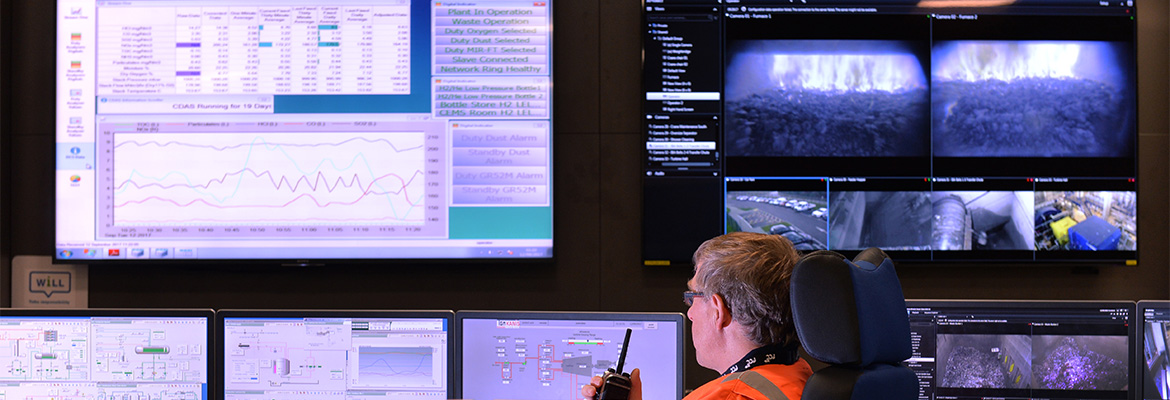
FCC Environment operates an Integrated Management System (IMS) to achieve and maintain ISO 9001, ISO 14001, ISO 45001 and ISO 50001 accreditations. Greatmoor EfW and High Heavens WTS are operated and managed under the IMS requirements that have successfully achieved the British Standards Institution accreditations.
5.1 Internal auditing in this contract year
High Heavens WTS successfully achieved a 97.07% IMS audit score in July 2019.
Greatmoor EfW IMS audit was scheduled for the 17th March 2020, however due to Covid-19 this audit was deferred to later in the year.
A summary of the NCRs (Non Conformance Reports) received during internal IMS audits that were closed out during this contract year are provided below.
NCR ID: 665309
Facility: High Heavens
Description:
Air spectrum service 25/6/20189 permit to work. Pre-start meeting and hazards ID sheet are consistent with the RAMS. Permit to work is complete. No plant safety check for the hired (by
FCC) MEWP for the contractor to use.
Date complete: 05/07/2019
NCR ID: 665308
Facility: High Heavens
Description:
SWP 005 and also checked 10. 005 use
of diesel, lists very few of the control measures listed in the risk
assessment for use of diesel. Checked control measures for the Removal
of gas bottles, handling and storage. Referred to the former gas cylinder
document in the old IMS. New IMS guidance for gas bottles in IMS-UG-
019. The control measures in the SWPs need to be checked against
current working practices and the risk assessment when they are
reviewed.
Date complete: 05/07/2019
6.0 Maintenance Management
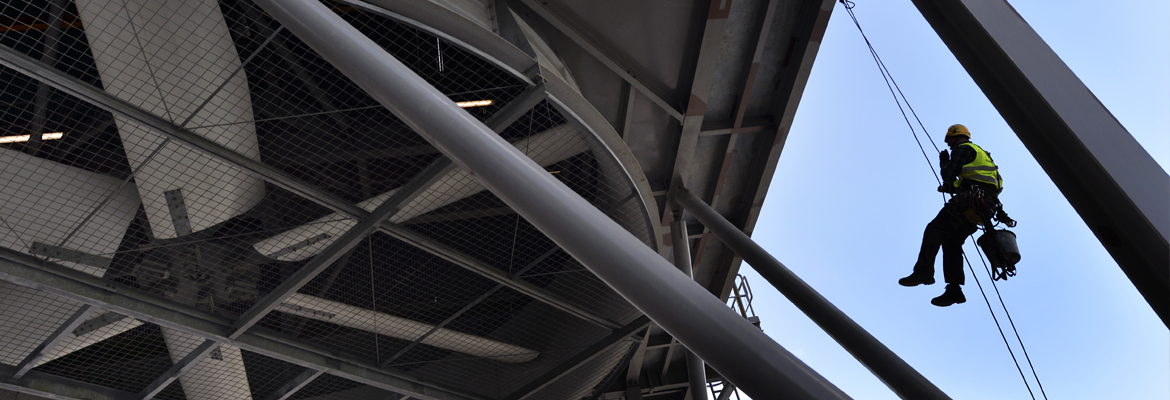
Maintenance management ensures the EfW plant remains reliable, safe to operate and demonstrates compliance with statutory legislation.
Greatmoor EfW utilises AX Dynamics for the maintenance management system. This software package allows for detailed maintenance activity scheduling, tracking and recording of plant history to ensure successful maintenance management. During the contract year, all maintenance activities were carried out in the determined periodicity.
Greatmoor EfW carries out an annual shutdown to undertake lifecycle maintenance and overhaul to maintain plant performance, reliability and safe operation. During this year, the annual shutdown was carried out in May.
6.1 Maintenance issues
Plant Breakdowns
On occasion the EfW plant will breakdown due to mechanical and electrical faults, resulting in a full plant shut down. Table 10 identifies breakdown failures and downtime hours, with more details on each breakdown provided in the following section.
| Date | Breakdown | Returned to service date | Total loss (hours) |
|---|---|---|---|
| 20/08/19 | Primary Air Fan trip | Same Day | 6 |
| 24/09/19 | IBA Extractor forced conveyor repairs | 29/09/19 | 118 |
| 21/10/19 | IBA Extractor and Generator Rotor Earth | 27/10/19 | 178 |
| 16/11/19 | ID Fan VSD trip and repair | 19/11/19 | 70 |
| 29/12/19 | IBA Extractor blockage | 30/12/19 | 27 |
| Total | 399 Hours (16.6 Days) | ||
IBA Extractor Forced Conveyor Repairs
FCC Environment took the opportunity to undertake essential repairs to the Bottom Ash Extractor, 2/3 boiler pass conveyor blockage removal and primary air heat exchanger cleaning. The outage was originally planned for one day. The 2/3 pass boiler ash conveyor work delayed the return to service as it required a full boiler entry, with cool down and ash hang up inspection. Once the boiler was authorised the rope access team cleaned the entry free from ash hanging up on the walls, roof and cleared the conveyor blockage.
IBA Extractor and Generator Rotor Earth Fault
The plant was removed from service due to a Bottom Ash Extractor fault. The failure was caused a combination of factors, which included excess volumes of waste on the conveyor, causing it to trip, and had to be removed once the conveyor and boiler were isolated. The conveyor had a seized slat (conveyor belt) hinge pin that required a number of slats to be replaced as they were contributing to the conveyor tripping on high load. A fist sized hole was found in a slat that had allowed ash to enter the drive mechanism and a significant number of RHS conveyor flights were bent back affecting the operation of conveying waste from the loading point underneath the furnace grate.
However, during the short shut down the 2nd/3rd pass shower cleaning system leaked water from a stuck open solenoid, which had resulted from the auxiliary power changeover. Water leaking into the 2nd /3rd pass was identified and actioned on the second day of the shutdown as water was running from the ash conveyor. The water was isolated and the 2nd/3rd pass ash conveyor was checked, cleaned and managed for blockages and defects throughout the shutdown. During start up, agglomerated ash, that was most likely attached to the walls, was liberated and blocked the ash conveyor. The team endeavoured to clear the blockage as normal, however it was evident that the blockage was sufficient to prevent a full start-up and hence the start-up was abandoned and we went into another shutdown to clear the blockage internally. To reduce the likelihood of this failure in the future, the operations team will re-write the operations shower cleaning procedure to ensure the water system is isolated after each operation rather than during a shutdown only.
The operations team received a “Generator Rotor Earth Fault Alarm” on the steam turbine control system, this generator high risk fault can lead to a catastrophic failure of the generator rotor. The machine was removed from service in line with the industries best practice. During the root cause investigation a fault was found with the alarm rotor measuring circuit, however the OEM (ELIN) recommended carrying out rotor insulation and resistance checks to ensure the Generator Rotor was free from Earth and prove the generator was not in danger. To carry out this check required the generator excitation system located at the end of the machine to be stripped down, tested and rebuilt. The testing proved the rotor was free from earth and was not in danger. During start up the generator rotor failed to excite and power could not be produced. Following further investigation, the control system had tripped to manual voltage control and field current controller during the rotor strip down. The reason for this control operations trip is unknown as both systems cannot be changed over or influenced by the operator. The control functions were switched back to automatic voltage control and voltage controller by removing/restoring the power supply to the AVR (Automatic Voltage Regulator), the device controls the rotor excitation system that produces power.
ID Fan VSD Trip and Repair
The ID fan Variable Speed Drive (VSD) tripped causing an immediate full plant shutdown. Danfoss, the OEM for the VSD, were called out to repair the drive in line with the maintenance Service Level Agreement. The VSD drive tripped due to a catastrophic failure of the DC smoothing capacitors and the IGBT cards. It is not understood what component failed first. The drive was repaired with a combination of onsite spares and suppler spares.
IBA Extractor Blockage
The plant was taken off-line due to unburned waste blocking the ash extractor and hopper, when investigated the blockage had been cleared. The opportunity was taken to replace two leaking grate rams and the re-circulation duct pneumatic actuator positioner.
7.0 Community liaison
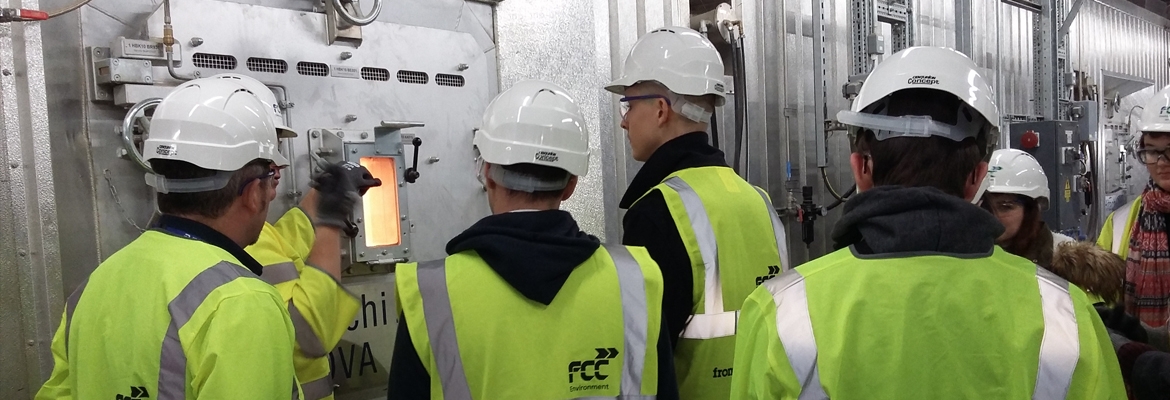
FCC Environment employs a dedicated Waste Awareness and Education Manager with the aim to raise public awareness of waste issues, including waste prevention, reuse and recycling through educational initiatives.
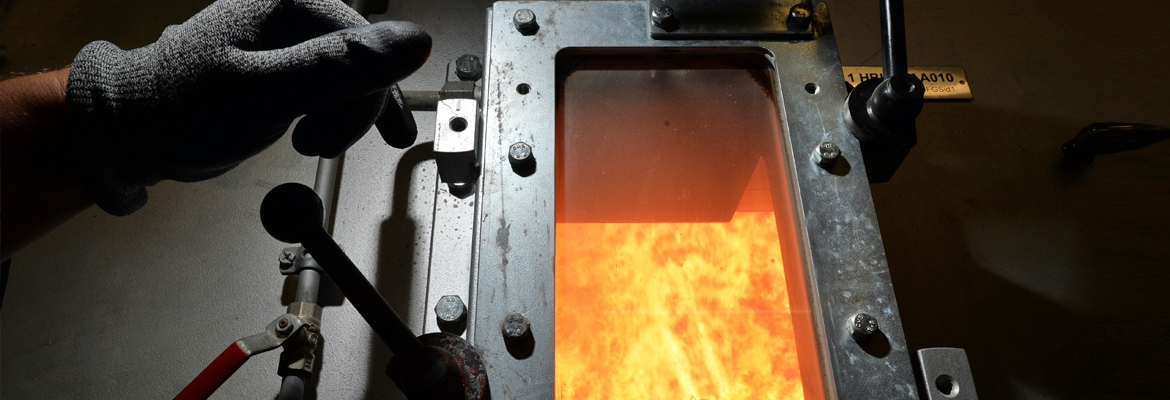
Greatmoor EfW has an on-site visitor centre that hosts site tours of the facility for local community groups and schools. Tours include showing visitors the control room to demonstrate how the plant is operated, along with views of waste tipping into the bunker, and loading the system by the large grab crane. Visitors can also look inside the furnace inspection hatch to see waste being burnt.
As well as hosting on-site tours, FCC Environment also carry out outreach visits to schools and other organisations within the county. The Waste Awareness and Education Manager attends school classes and assemblies to educate and raise awareness about recycling and waste management.
7.1 Greatmoor EfW Visitor Centre
The headline figures for 2019–20:
- 1,724 Visitors
- 166 Tours
- 1,241 attended Outreach Events
- Further increase of % of visitors from schools and colleges, including trebling of % from secondary schools
- 97.17% Excellent or Very Good feedback across six key questions
On 9th March 2020, in response to the UK Government’s advice regarding the Coronavirus outbreak, the decision was made to postpone visits and outreach work until the Government advice changed.
This resulted in the cancellation of visits from 10 community groups, 5 school visits, 1 open day and the Drawing Greatmoor art course before the end of March. Three outreach visits to schools were also cancelled. Estimated attendee figures for the visits to Greatmoor totalled 323, which would have taken the visitor figures to more than 2000 in the year, for the first time.
| 1st April 2019 - 31st March 2020 | 1st April 2018 - 31st March 2019 | |
|---|---|---|
| Adult Visitors | 1,151 | 1,058 |
| Under 16s | 573 | 450 |
| Total Visitors | 1,724 | 1,508 |
| No of Tours | 166 | 155 |
When the types of visitors are analysed, it shows a large increase in visitors from schools and higher educational facilities. As highlighted in Figures 7 and 8, this year 45% of visitors were from educational facilities, compared with 33% for 2018/19. For the first time the number of visitors from the education sector has been roughly comparable with the number of community visits.
There has been a slight drop in visitors from Primary Schools, but a large increase in Secondary School visits (up to 4.8% of total visitors from 0.9% in previous year). Many of the Secondary School visits were organised through Action4Youth, as part of their Inspiration Programme. There was also a rise in visitors from higher education facilities and other educational organisations, including adults with special educational needs and home-schooling groups.
7.2 Outreach visits
During the contract year, 21 outreach visits were undertaken to raise awareness on waste prevention, reuse and recycling; together with the operations at Greatmoor EfW. A total of 1,241 people attended the outreach visits.
|
Type of Visit
|
No of Visits
|
No of Under 16s
|
No of Adults
|
No of Assemblies
|
No of Activity Sessions
|
|---|---|---|---|---|---|
| Primary Schools | 9 | 525 | 38 | 3 | 14 |
| Secondary Schools | 1 | 118 | 8 | 0 | 7 |
| Bucks Skills Show | 2 | 148 | 94 | 0 | 0 |
| Community Groups | 9 | 14 | 296 | 8 | 1 |
| Total | 21 | 805 | 436 | 11 | 22 |
7.3 Other highlights
1,000,000 tonnes and 5,000th Visitor Celebration
On 6th September 2019, FCC Environment celebrated the twin milestones of 1,000,000 tonnes of waste processed along with 5,000 local visitors at the facility.
Greatmoor EfW sponsored one million bees for the county of Buckinghamshire. The first bees and hives were welcomed at Greatmoor EfW by Bill Chapple OBE, Cabinet Member for Planning and Environment at BCC and Steve Brown, Operations Director GE+ at FCC Environment. Also attending were representatives from TherapBEE, the Armed Forces charities SSFA and Veterans Association UK, as well as the Mid Buckinghamshire’s Beekeepers Association, the British Beekeepers Association, and Westcott Venture Park, where the hives are located.
7.4 Summary of visitor feedback
FCC Environment encourages feedback from those visiting Greatmoor EfW by providing feedback forms after tours to highlight positive feedback and also identify areas for improvement to continuously focus on delivering the best service possible.
Feedback from visitors has been excellent, which included comments on the structure of the visits and the suitable levels of detail for the audience, providing attendees with a classroom overview to gain an initial understanding followed by seeing the plant in action. Visitor feedback has also shown commitment to change behaviours towards recycling, reuse and waste minimisation.
| Tour Section | % Excellent or Very Good 2019-2020 | % Excellent or Very Good previous year |
|---|---|---|
| Introduction | 100 | 97 |
| Guided Tour | 100 | 95 |
| Visitor Centre Facilities | 94 | 98 |
| Visitor Centre Staff | 99 | 98 |
| Information provided before visit | 99 | 88 |
| Greatmoor website | 91 | 84 |
7.5 Local employment
There are a total of 48 full time members of staff working on the Contract, 41 at Greatmoor EfW and seven at High Heavens WTS. Of this number, 48% of the staff employed live within Buckinghamshire itself, with others from the local surrounding areas of Oxfordshire, Northamptonshire and Berkshire. There is only a small number of staff that travel from outside of the local vicinity, demonstrating good levels of local employment.
7.6 Liaison Group meetings
Since April 2019, there have been three Greatmoor Community Liaison Group (CLG) meetings. The meetings occur regularly and from Service Commencement have been held in conjunction with the Calvert Landfill CLG. These sessions are attended by local residents, parish councillors, interest groups, Environment Agency officers, Buckinghamshire councillors and FCC Environment employees. The Greatmoor EfW CLG is an opportunity for members to ask questions in relation to the EfW operations and raise any issues or concerns.
High Heavens also has a Joint High Heavens CLG attended by similar groups as detailed above. As the site is a shared residual waste treatment facility, other operators, and representatives are also in attendance to provide a collaborative approach to the meeting discussion.

8.0 Conclusion
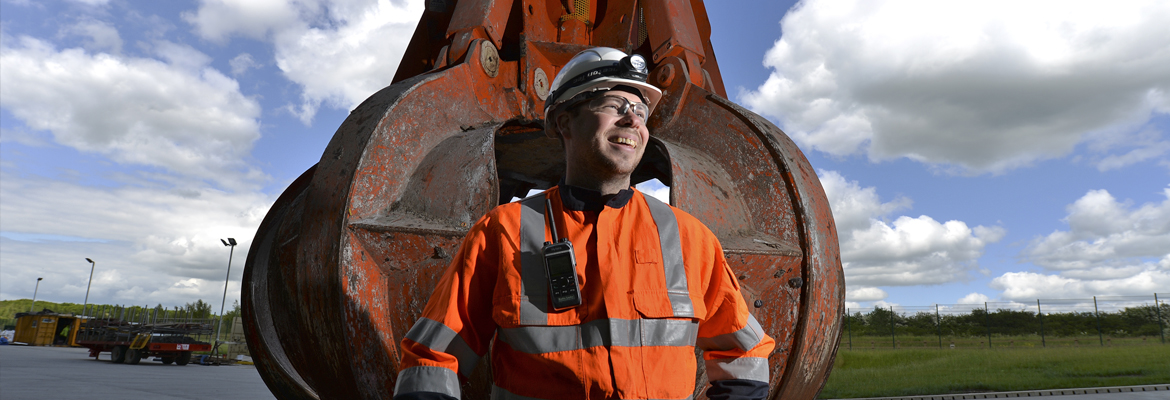
The fourth contract year has been successful for both BCC and FCC Environment at Greatmoor EfW. The contract has performed well and built on the success of previous contract years. The contract demonstrates year on year improvements based on both facilities operational success.
FCC Environment has continued to operate and maintain the Greatmoor EfW and High Heavens WTS facilities safely and with the utmost respect for the environment. The facilities continue to outperform expectations. The EfW plant has been optimised successfully and experiences an increase in the amount of waste incinerated. The plant’s thermal efficiency has been improved increasing the amount of electrical power being exported to the National Grid System and subsequently powering more homes and businesses.
There has been no Environment PPC Permit breaches, at either facility, during the contract year. This success demonstrates FCC Environment’s credibility as a responsible operator dedicated to operating plant within national regulations and guidelines. NO Lost time Accidents occurred at Greatmoor EfW or High Heavens WTS for either FCC Environment employees or their contractors in this contract year. FCC Environment are committed to protecting their staff, contractors and site visitors.
For more information about FCC Greatmoor, please visit https://www.greatmoor.co.uk
For more information about FCC Environment, please visit https://www.fccenvironment.co.uk/
For more information about Energy from Waste from Buckinghamshire Council, please visit https://www.buckscc.gov.uk/services/waste-and-recycling/energy-from-waste/