


Contents
- 1.0 Introduction
- 2.0 Waste management
- 3.0 High Heavens Waste Transfer Station 3.1 Background 3.2 Waste inputs 3.3 Waste outputs 3.4 Waste transfer 3.5 Environmental management 3.6 Complaints
- 4.0 Greatmoor EfW 4.1 Background 4.2 Waste inputs 4.3 Waste outputs 4.4 Environmental management 4.5 Complaints
1.0 Introduction
Buckinghamshire Council Waste Management Project
Annual Service Report
Contract Year 6
1st April 2021 – 31st March 2022
The 2021/22 contract year has been outstanding in many respects, with excellent availability leading to record levels of waste being processed and electricity being generated.
Whilst Covid-19 had an influence, it was not as restrictive as the first year of the pandemic. The biggest impact remained the reduced support from contract partners as opposed to any lack of site staff. As a result some defects were slow to be cleared and improvements were delayed in implementation. However, this did not have a material impact on the availability of the plant as seen in the longest run record being set at 293 days between 27 May 2021 and 16 March 2022. (Previous best continuous run was 29 May 2018 to 20 January 2019 – 237 days).
As reported last year: COVID also limited the ability to benchmark other sites and facilities and reduced the external oversight (both from within and without FCC and BC) that routinely contributes to maintaining good practice. Whilst this did not have an immediate impact within year, these activities are conducted for a variety of good reasons and their loss may be felt in numerous small ways in the future without careful mitigation.
Benchmarking and external oversight are beginning to restart and all Managers and Supervisors have been given annual targets to benchmark and develop SWOT analysis (Strengths, Weaknesses, Opportunities & Threats) of the sites they have visited.
During the sixth contract year

of residual waste were processed for energy recovery, with 114,891 tonnes of waste processed directly from BC.

of electrical power was exported to the National Grid system - over 38,000 MWh above the base case assumption.

were welcomed to the Visitor Centre as part of 94 seperate tours.
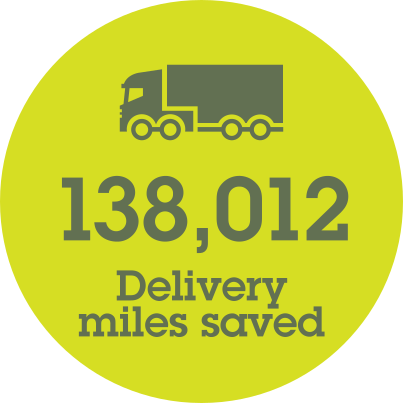
The operation of High Heavens WTS saved an estimated 138,012 delivery miles to Greatmoor EfW.
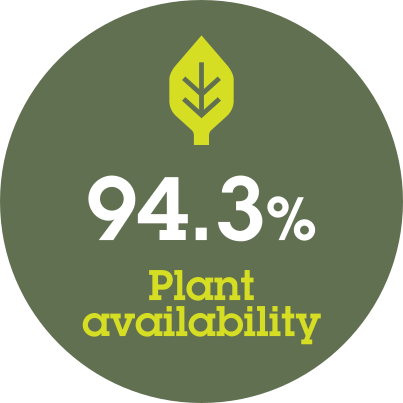
5.3% above the base case model of 89%.

The average turnaround time at both sites was under 8 minutes (weighbridge to weighbridge).
2.0 Waste management
Total waste volumes handled
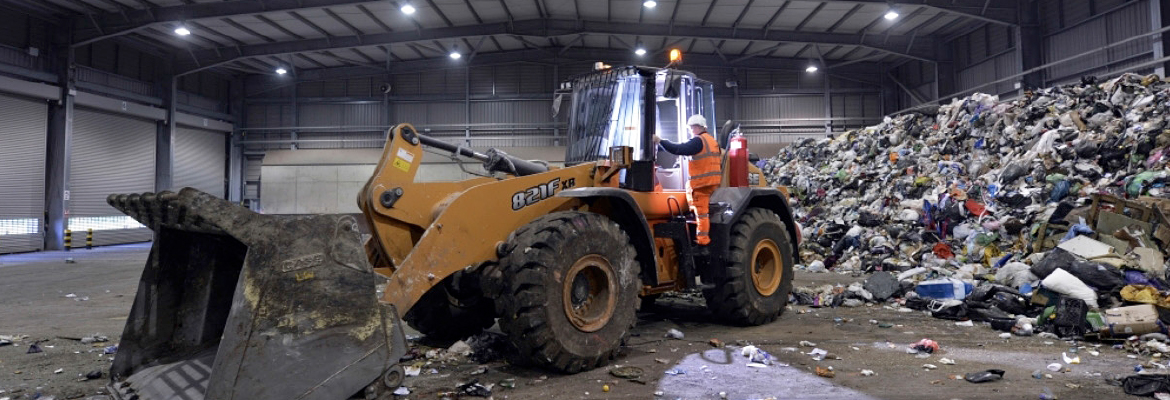
During this contract year, FCC Environment have processed 311,056 tonnes of residual waste across both facilities. BC Contract Waste was delivered by all the Buckinghamshire Kerbside Teams and also from Household Recycling Centres (HRC). Bulky waste from the Kerbside collections, as well as HRCs, is shredded and delivered to Greatmoor EfW via High Heavens Waste Transfer Station (WTS), reducing waste that would otherwise be sent to landfill. In addition to BC Contract Waste, Greatmoor EfW also receives Third Party Residual waste. A full summary of the total waste inputs across both facilities is featured in Table 1.
| Waste inputs | Tonnes |
|---|---|
| Aylesbury Vale Area | 36,046 |
| Chiltern & Wycombe Area | 51,153 |
| South Bucks Area | 12,034 |
| Household Recycling Centres Residual | 11,081 |
| Shredded Bulky Waste | 4,929 |
| Contaminated IN ex HH GFBW FCC | 9 |
| Total Contract Waste Handled | 115,252 |
| Third Party Residual Waste | 195,702 |
| Total inputs to Greatmoor EfW | 310,954 |
3.0 High Heavens Waste Transfer Station
3.1 Background
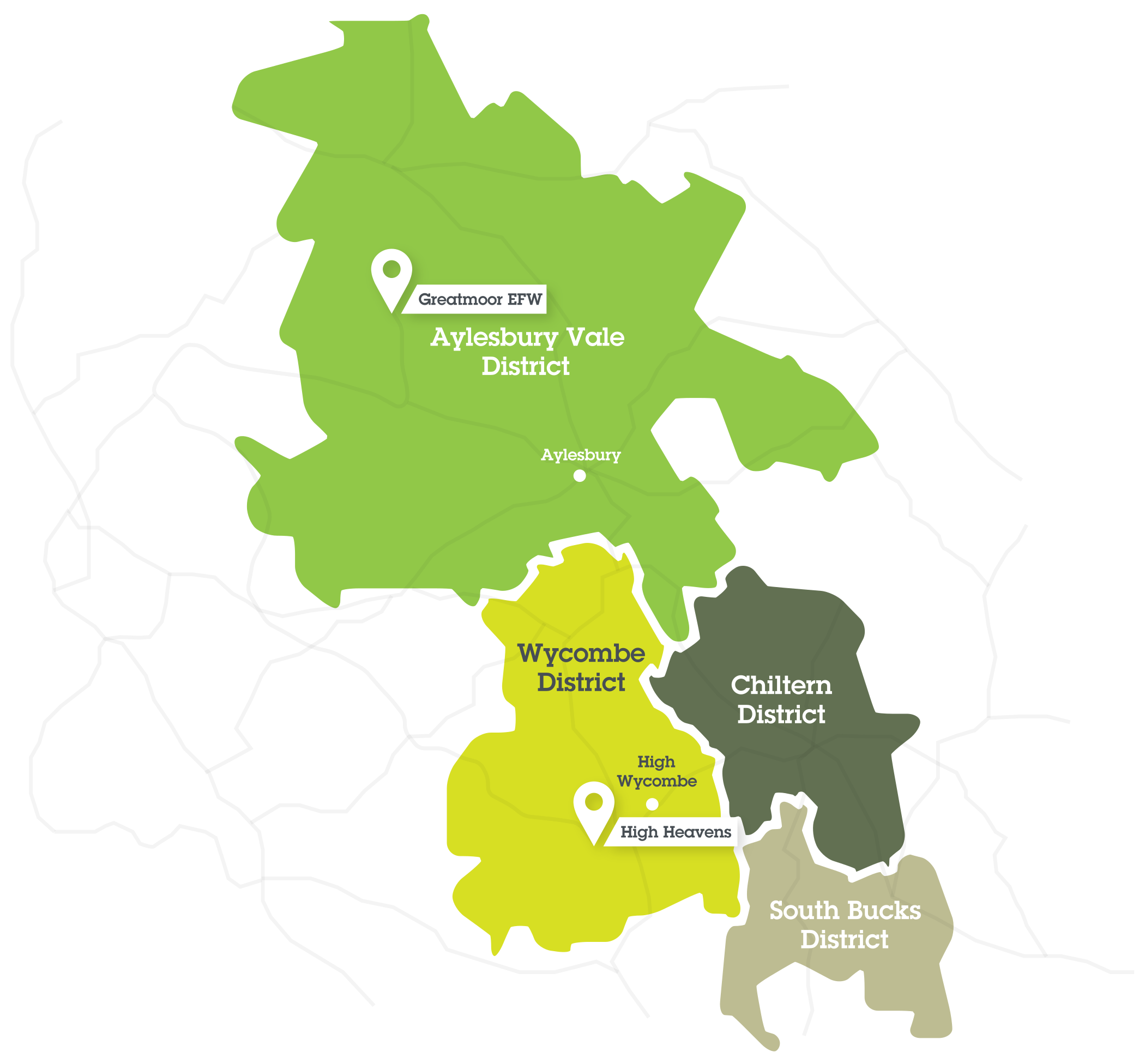
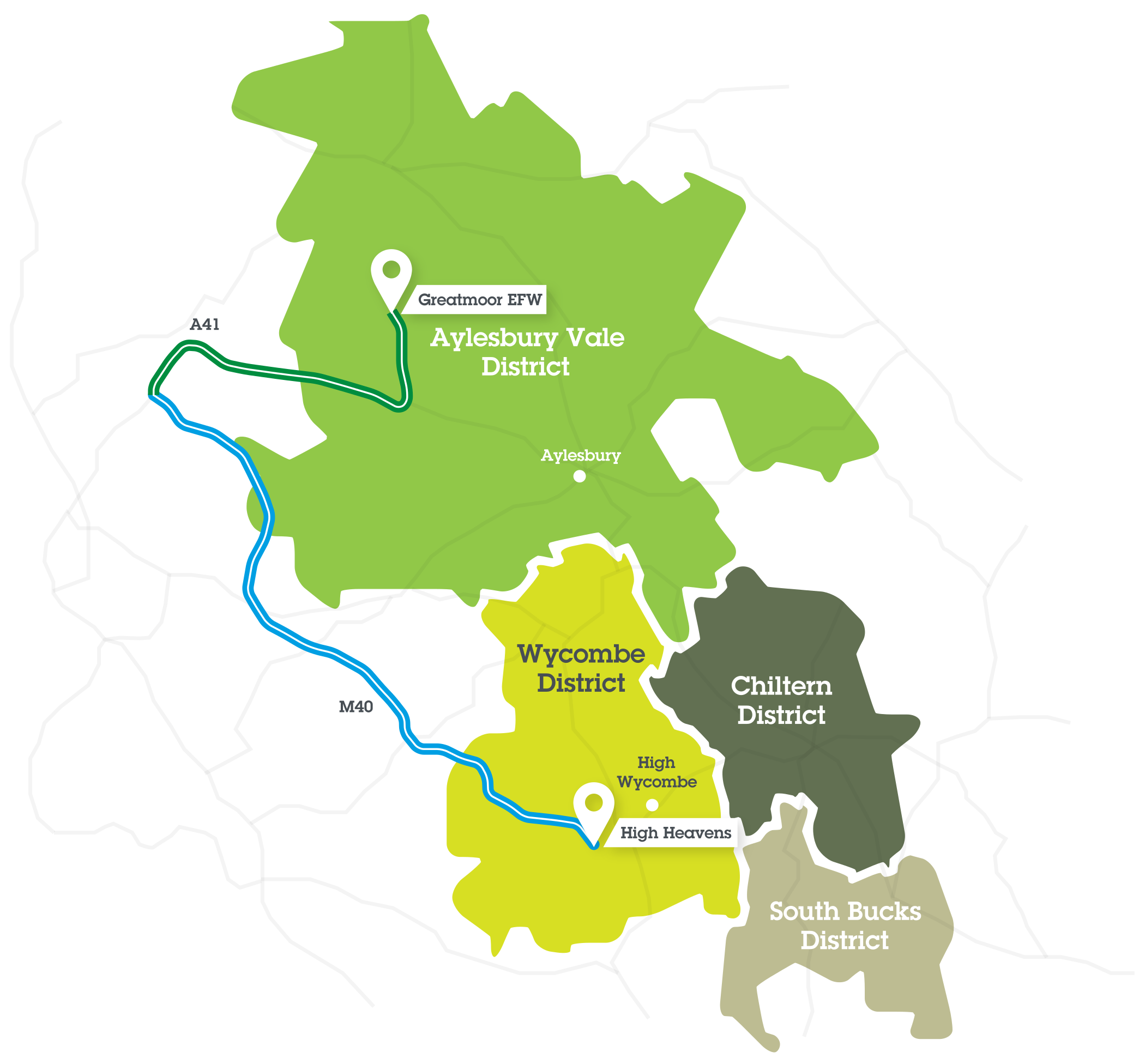
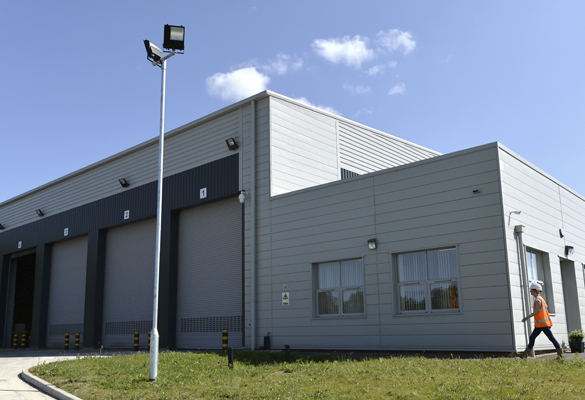
High Heavens WTS is situated at the High Heavens Waste Treatment Complex in High Wycombe, located to the south of the county. This BC waste treatment complex contains several waste operations and the WTS was developed specifically for residual waste.
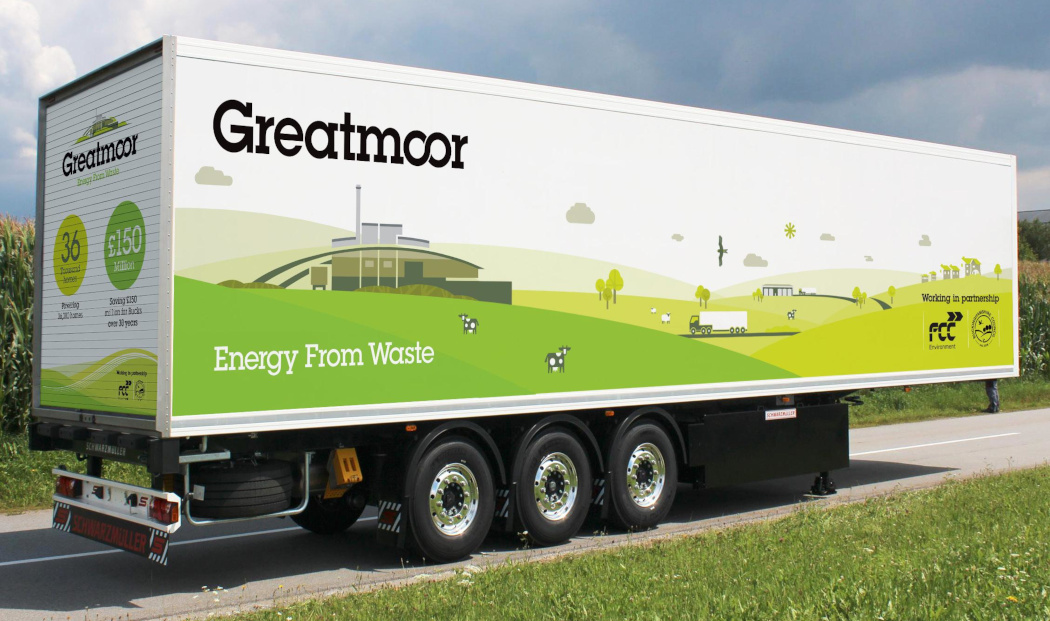
The WTS was constructed and commissioned by FCC Environment and entered into commercial operation in November 2015, in advance of the original June 2016 handover. It is used as the local delivery point by the Southern kerbside teams and HRCs to transfer residual waste to be processed at Greatmoor EfW. Waste is loaded onto articulated vehicles to transfer to Greatmoor EfW, reducing the number of transport miles required, compared with RCVs delivering directly to the EfW facility. This also reduces the time, costs and associated environmental impacts of the service, allowing the waste services to operate more efficiently in the areas that are needed. As a condition of planning permission, there is a designated transport route (45.3 miles) between High Heavens WTS and Greatmoor EfW, which maximises the use of major roads and motorways whilst reducing the use of minor roads that are not suitable for larger vehicles.
3.2 Waste inputs
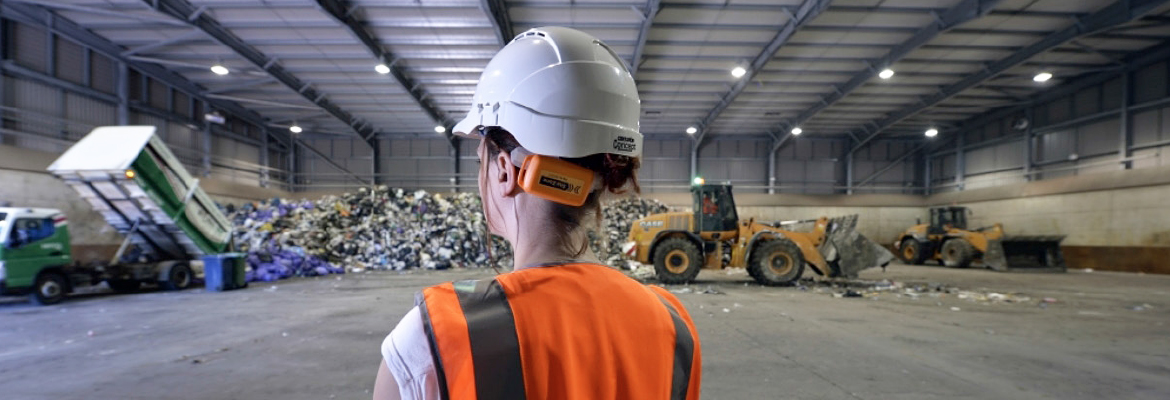
During this contract year, High Heavens WTS processed over 75,319 tonnes of residual waste, demonstrating the benefits of bulking waste from a highly populated region. Table 2 identifies the amount of waste delivered to High Heavens WTS by supplier.
| Waste inputs | Tonnes |
|---|---|
| Chiltern and Wycombe Area | 51,147 |
| South Bucks Area | 12,034 |
| Household Recycling Centre Residual | 7,200 |
| Contaminated IN ex HH GFBW FCC | 9 |
| Shredded Bulky Waste | 4,929 |
| Total | 75,319 |
3.3 Waste outputs
The majority of waste from High Heavens WTS is bulked residual waste destined for Greatmoor EfW.
No ad-hoc waste was delivered into High Heavens in the contract year.
3.4 Waste transfer
Transport savings through bulk transfer of waste from High Heavens WTS
FCC Environment transfers waste between High Heavens WTS and Greatmoor EfW using their own haulage vehicles.
Bulking operations of BC Contract Waste at High Heavens WTS successfully reduced transportation miles by 138,012 miles during this contract year. The breakdown of this is shown in Table 3.
The transportation saving is calculated by analysing the delivery tonnes and mileage travelled from each location and adding the bulking transfer mileage to Greatmoor EfW. The transportation mileage saving takes into account a predetermined route (45.3 Miles) from High Heavens WTS to Greatmoor EfW, as defined in the planning permission. We have used the theoretical vehicle mileage for direct deliveries into Greatmoor EfW, rather than the actual mileage to High Heavens WTS.
Since year 3 of the contract (April 2018 to March 2019), the average residual waste payload collected from High Heavens WTS improved by 1.4%, from 23.93t to 24.2t per collection. The improved payload is part of High Heavens WTS commitment to continual improvement in the area of transport savings by reducing the number of deliveries required throughout the year.
| Waste transferred | Vehicle movements saved | Miles saved due to bulk transfer of waste from High Heavens WTS |
|---|---|---|
| Kerbside Residual | 11,420 | 120,442 |
| Household Recycling Centre Residual | 719 | 12,447 |
| Shredded bulky waste | 122 | 5,123 |
| Total | 12,261 | 138,012 |
3.5 Environmental management
High Heavens WTS operates under a Pollution Prevention and Control permit (PPC number XP3091ER) issued by the Environment Agency. There were no PPC permit breaches during this contract year.

3.6 Complaints
During the contract year, one complaint was raised at High Heavens WTS. The complaint was related to load security after the bulk haulier left site. After investigation, this claim was substantiated. Sherwood & Sons Transport (the haulier at the time), followed this up with the driver using their internal processes.
No litter complaints were received during this contract year, which reflects the continued hard work by site staff to keep the site in good order.
4.0 Greatmoor EfW
4.1 Background
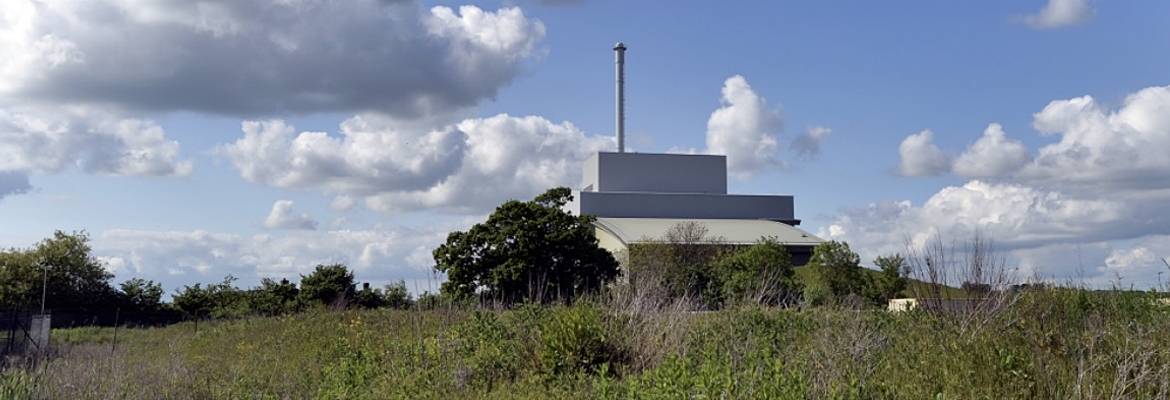
FCC Environment operate and maintain the Greatmoor EfW facility that is located to the north of Buckinghamshire County and adjacent to the FCC Environment Calvert Landfill site. Construction of the EfW plant commenced in September 2013 and the plant became fully operational in June 2016.
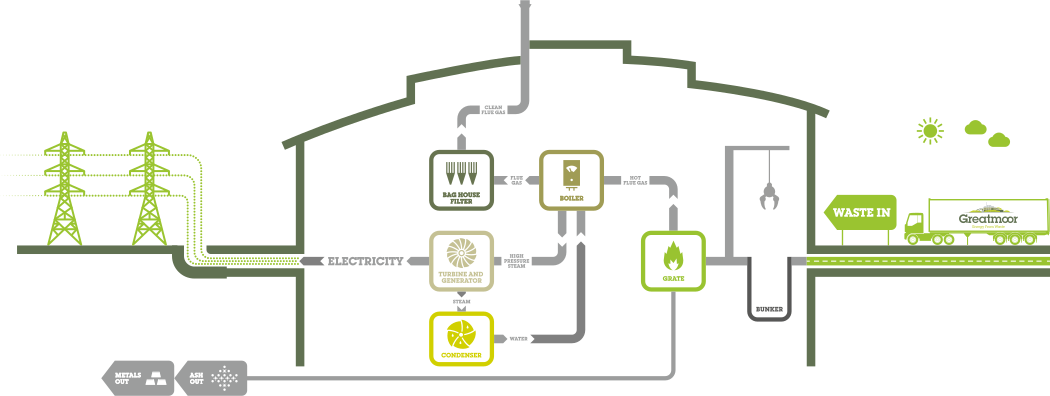
Greatmoor EfW processes non-recyclable household residual waste that would have previously been sent to landfill for disposal. The process involves incinerating the waste to recover energy, which then heats a boiler to produce high pressure, high temperature steam. This steam is used to drive a Steam Turbine Generator to generate enough electricity to power over 40,000 homes.
The EfW process generates by-products (residues), such as ash and combustion exhaust gases. The Incinerator Bottom Ash (IBA) is removed after the combustion stage and is continually inspected, with all non-combustible materials separated and recycled, with the remaining ash used as landfill aggregate. The Air Pollution Control residues (APCr or Fly Ash) produced are removed from the combustion exhaust gases and sent to a facility to be neutralised before being landfilled. Combustion exhaust gases are treated through a complex Flue Gas Treatment (FGT) process that removes harmful emissions before being released to the atmosphere. All emissions to the atmosphere are rigorously controlled and managed by the onsite team and continually monitored by the Environment Agency.
The process of producing Energy from Waste
4.2 Waste inputs
A total of 310,695 tonnes of household residual waste were delivered and processed at Greatmoor EfW during this contract year.
The breakdown of waste inputs is presented in Table 4.
| Waste inputs | Tonnes |
|---|---|
| Aylesbury Vale Area | 36,046 |
| Household Recycling Centres | 3,881 |
| Chiltern & Wycombe Area | 6 |
| High Heavens Waste Transfer Station | 74,958 |
| Total BC inputs | 114,891 |
| Third Party Residual Waste | 195,702 |
| Total inputs to Greatmoor EfW | 310,593 |
4.3 Waste outputs
Power generation
The Steam Turbine Generator is designed to generate up to 32.8 megawatts (MW) of electrical power. Although the boiler and feed system are not designed to be able to sustain this level of output for anything other than short periods.
The facility house load can be up to 6 MW (but is generally around 3 MW) and so, on average, a consistent 26 MW of power is exported to the National Grid system. The contract base case expected exports of 23 MW of electrical power and the measurement of how many MW are generated over the specified amount of time is referred to as Megawatt hours (MWh). In this contract year Greatmoor EfW exported 211,900 MWh of electrical generation.
As highlighted in Figure 1, the amount of electricity generated varied over the contract year. The reduction in the amount of power exported in May was due to the planned annual outage, with other minor dips due to short turbine trips (see Section 7, Table 11).
Residual outputs
From the 310,695 tonnes of residual waste treated at Greatmoor EfW, 75,514 tonnes of ash and residues were removed from the process, representing approximately 24.3% of all waste handled sent for landfill disposal. Table 5 provides a breakdown of residual waste outputs from Greatmoor EfW during the contract year.
Non-conforming waste materials are unsuitable for the EfW process and are removed during the pre- sorting and inspection stages. These materials are removed from the waste source to prevent impacting on the plant’s combustion efficiency and emissions control. As highlighted above, the volume of non-conforming waste material received at Greatmoor EfW is low and FCC Environment have waste inspection procedures to ensure the amount of non-conforming waste from Buckinghamshire Council and Third Party suppliers remains low.
| Waste outputs | Tonnes |
|---|---|
| APCr (Before treatment) | 10,001 |
| IBA (Before separation) | 65,488 |
| Non-conforming waste | 24.96 |
| Total outputs | 75,514 |
4.4 Environmental management
Greatmoor EFW is regulated by the Environment Agency under the Environmental Permit reference EPR/UP3734HT.
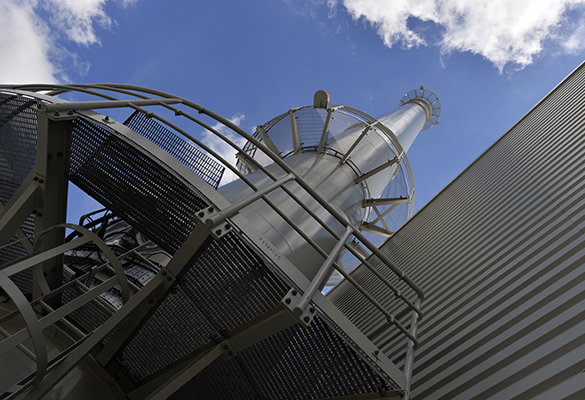
EfW plants incorporate abatement technology to control the emissions to atmosphere. Greatmoor EfW has Continuous Emissions Monitoring (CEMS) equipment installed in the exhaust gas system to constantly monitor for harmful emissions. This real time data is recorded and presented to the Environment Agency as evidence that the facility complies with the PPC emissions limits. The Greatmoor EfW operations staff continually analyse the CEMS emissions data to ensure the plant is operated with PPC regulations. If there is any approach to these limits, the operator will take action to prevent an environmental incident ensuring the requirements of the Environmental Permit are maintained.
IBA and APCr residues are periodically inspected and tested by an independent UKAS accredited laboratory to ensure the residue characterisation has not changed and is being appropriately managed.
The PPC Permit UP3734HT requires FCC Environment to prepare and submit quarterly and annual reports detailing the facility’s environmental performance. Regardless of this requirement, FCC Environment proactively manages the facility’s environmental performance with the Environment Agency in real time. As demonstrated in the following section, there were no Permit breaches at Greatmoor EfW during the contract year.
Permit monitoring requirements
The emission monitoring requirements are set out in Schedule 3 of the PPC Permit. There are two types of substance emissions monitoring, continuous (all the time) and periodic (bi-annually).
Continuously monitored emissions are measured using CEMs technology. Exhaust gas sample probes extract concentration samples that analyse and measure each emission parameter. This information automatically updates on the plant control system and is recorded in a dedicated read only data acquisition system. The facility operations team constantly monitor this CEMS data against the plant performance.
Periodic extractive sampling is carried out twice a year by a competent UKAS accredited specialist contractor. Extractive exhaust gas samples are removed independently from the CEMS equipment and analysed in laboratory conditions.
| Substance | Continuously | Periodically |
|---|---|---|
| Particulates | ✔ | |
| Total organic carbon | ✔ | |
| Hydrogen chloride | ✔ | |
| Carbon monoxide | ✔ | |
| Sulphur dioxide | ✔ | |
| Nitrogen oxides | ✔ | |
| Ammonia | ✔ | |
| Nitrous oxide | ✔ | |
| Hydrogen fluoride | ✔ | |
| Cadmium & Thallium | ✔ | |
| Mercury | ✔ | |
| Heavy metals | ✔ | |
| Dioxins and furans | ✔ |
Emissions limits
The Environmental Permit specifies Emission Limit Values (ELV) for all emission substance monitoring. The plant emissions must not exceed these limits to ensure compliance. In the event of plant abnormal operation affecting the emissions to atmosphere above the ELVs, the Environment Agency shall be formally notified. During this contract year no ELVs were exceeded.
The ELVs specified in the Permit refer to half hourly and 24-hour averages displayed in Table 7.
| Substance | Half hour average (mg/m³) | Daily average (mg/m³) |
|---|---|---|
| Particulates | 30 | 10 |
| Hydrogen chloride | 60 | 10 |
| Nitrogen oxides | 400 | 200 |
| Sulphur dioxide | 200 | 50 |
| Total organic carbon | 20 | 10 |
| Substance | 10 min average (mg/m³) | Daily average (mg/m³) |
| Carbon monoxide | 150 | 50 |
Continuous monitoring limits
Figure 2 depicts the maximum concentration percentage half hourly and full daily emission for the period of April 2021 to March 2022 (these are instantaneous values and not average percentage values). The graph shows that particulates exceeded the nominal half hourly ELV on 2 separate occasions in August and October 2021, however these are not a permit breach as they were very temporary spikes in readings caused by failure of dust abatement bags that were immediately isolated and replaced under “Abnormal operation” allowed by the Permit. The cause of the failures was later found to be a malfunction in the pulsing of dust bags resulting in a build up of particulates within the bags that caused them to tear and fail. The pulsing sequence was corrected and all the dust bags affected were replaced with new. Figure 2 also shows that in August 2021 the Daily average for HCL peaked at 9.74 mg/Nm³, which is just below the trigger of 10 mg/Nm³ and therefore compliant.
Periodic monitoring
A requirement of the PPC Permit is to complete independent stack emission testing for Dioxins, Furans, Cadmium and Thallium, Heavy Metals, Mercury and Hydrogen Fluoride.
Figure 3 depicts the maximum concentration percentage levels of Dioxins and Furans for the period of April 2021 to March 2022. The graph shows that at no point during the contract year did the facility produce Dioxins and Furans that approached or exceeded the ELVs. N.B. these are instantaneous values and not average percentage values.
Figure 4 depicts the maximum concentration percentage levels of Cadmium & Thallium, Heavy Metals, Mercury and Hydrogen Fluoride for the period of April 2021 to March 2022. The graph shows that at no point during the contract year did the facility produce harmful emissions that approached or exceeded the ELVs. N.B these are instantaneous values and not average percentage values.
Summary of Environmental Compliance
In addition to monitoring and reporting emissions to air, FCC Environment has a responsibility to monitor the quality of IBA produced by the facility to ensure the characterisation remains non- hazardous. All data taken and analysed by a UKAS accredited research facility showed that the IBA remains non-hazardous; ensuring the waste fuel and combustion system is as per design.
Greatmoor EfW’s environmental performance has consistently achieved the PPC Permit ELV levels throughout the contract year. Both continuous and periodic monitoring indicates that the EfW facility operates within Environment Agency regulations.
4.5 Complaints
During the contract year there were two complaints raised at Greatmoor EfW.
The first complaint was received in July 2021 when a resident contacted site regarding low water pressure on Lawn Hill. He has reported this to Thames Water who have investigated and stated that there are no issues with the supply. This was discussed at a community liaison meeting and no other residents reported an issue.
The second complaint was received in October 2021 when a member of the public reported an altercation with an FCC Lorry Driver on the A41 and was very upset and shaken. The site from which the vehicle had departed and where the driver is registered was contacted and a discussion held with the site manager, who implemented a Tool Box Talk to re-educate all drivers.
5.0 Integrated Management System
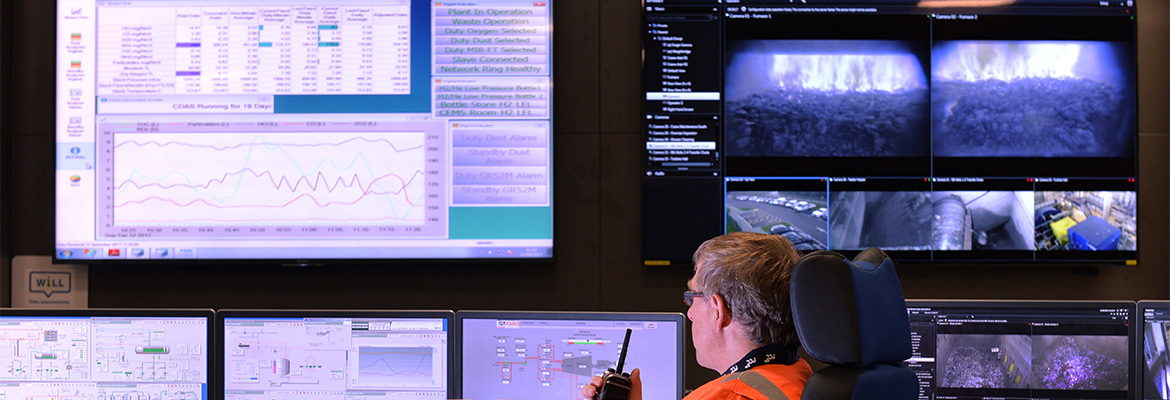
FCC Environment operates an Integrated Management System (IMS) to achieve and maintain ISO 9001, ISO 14001, ISO 45001 and ISO 50001 accreditations. Greatmoor EfW and High Heavens WTS are operated and managed under the IMS requirements that have successfully achieved the British Standards Institution accreditations.
5.1 Internal auditing in this contract year
An IMS audit was conducted on 28th October 2021 at High Heavens WTS, with zero NCRs (Non- Conformance Reports) raised.
Greatmoor EfW received a BSI audit on 5th July 2021 and an internal IMS audit on the 28th March 2022. All NCRs received during the internal IMS audit were closed out during this contract year.
6.0 Maintenance Management
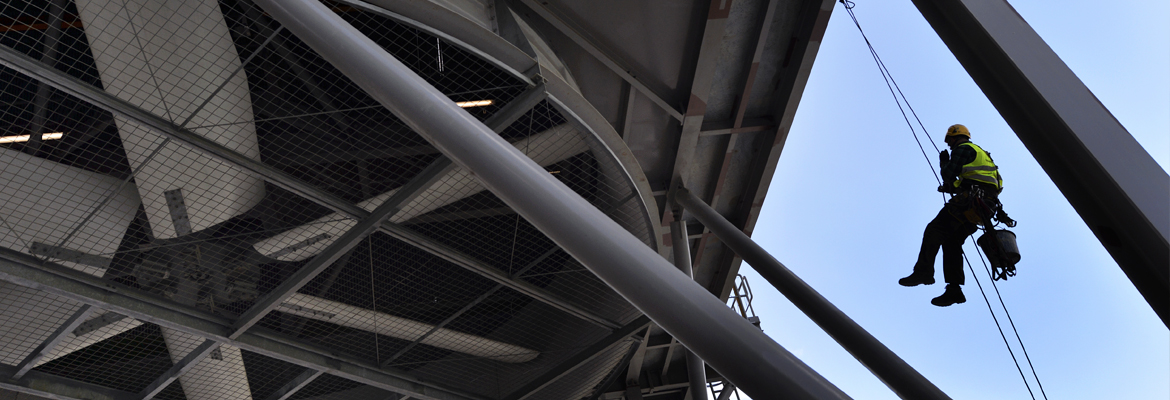
Maintenance management ensures the EfW plant remains reliable, safe to operate and demonstrates compliance with statutory legislation.
Greatmoor EfW utilises AX Dynamics for the maintenance management system. This software package allows for detailed maintenance activity scheduling, tracking and recording of plant history to ensure successful maintenance management. During the contract year, all maintenance activities were carried out in the determined periodicity.
Greatmoor EfW carries out an annual shutdown to undertake lifecycle maintenance and overhaul to maintain plant performance, reliability and safe operation. During this year, the annual shutdown was carried out in May – only 8 months after the previous outage, which was conducted in September 2020 after being delayed from the May due to COVID restrictions.
Main works carried out included replacing the carbon steel boiler tubes in the 1st and 2nd pass roof with Inconel tubes, due to reduced wall thickness. The Inconel tubes offer higher resistance to erosion from the flue gas and increase life cycle of these tubes. Other significant outage works included the continued replacement of refractory tiles due to the weak point with the first pass refractory tile fixings. These were dentified in 2010 and included in the modified life cycle plan. Non-destructive testing? (NDT) work was carried out to determine water tube thickness losses. Repairs were made where required and a detailed tube replacement plan for the 2022 outage has been developed. All mechanical works for grate, fans and conveyors was completed. An inspection of the ash extractor demonstrated that the refurbishment in 2020 was conducted to a high standard and so work for a complete replacement of the ash extractor could be deferred to the 2022 outage.
6.1 Maintenance issues
Plant Breakdowns
On occasion the EFW plant will breakdown due to mechanical and electrical faults, resulting in a full plant shut down. Table 8 identifies breakdown failures and downtime hours, with more details on each occurance provided in the following section.
| Date | Breakdown | Returned to service date | Total loss (hours) |
|---|---|---|---|
| 04/07/2021 | Loss of Control Oil Signal - turbine trip | 04/07/2021 | 0 |
| 22/07/2021 | Loss of Vacuum – operator error, turbine trip | 22/07/2021 | 0 |
| 13/11/2021 | Loss of Control Oil Signal - turbine trip | 13/11/2021 | 0 |
| 20/02/2022 | Loss of Primary Air Fan | 20/02/2022 | 0.52 hrs |
| 10/03/2022 | Loss of Primary Air Fan | 10/03/2022 | 0.14 hrs |
| 16/03/2022 | Operator Error – boiler & turbine trip | 16/03/2022 | 0.25 hrs |
| Total | 0.91 Hours (0.038 Days) | ||
Operator Error
On two separate occasions the plant was subject to trips as a result of operator errors. One resulted in a turbine trip due to loss of vacuum when the wrong valve was opened whilst changing over air ejectors. The second resulted in a total plant trip (and the ending of our continuous run record), again when the wrong valve was selected whilst blowing through a site glass on the feed tank; this produced an indicated loss of feed water causing the feed pumps to trip, resulting in a low level in the boiler drum, which in turn tripped both the boiler and the turbine.
Both of these incidents were the result of experienced operators making spatial errors and operating the right valve but on the wrong part of the system. The events have made us look at how we control and check operator actions that carry a Risk of Trip (RoT), particularly when they are Infrequently Performed Tasks and Evolutions (IPTE). Identifying that an action carries a risk of trip and that it is an action that we do not carry out frequently are the first and most important steps in ensuring that we can put mitigation in place to prevent errors.
Turbine Emergency Stop Valve
Twice in the contract year the Turbine Emergency Stop Valve (ESV) drifted from the fully open position. Resulting in a loss of generated load. On both occasions the valve moved as a result of an indicated loss of control oil pressure. The loss signal was erroneous in both cases and is believed to have been caused by either a faulty data switch or faulty fibre optic cable. Switches and cables have been replaced and the fault has not re-occurred.
Post report note – the fault did re-occur in early April 2022 and so more investigations will take place in the May 2022 Outage.
Boiler Trips as a Result of Primary Air Fan Trips
On two separate occasions disturbances on the grid caused the power factor to drop (on one occaision to 0.63), which in turn caused the Primary air fan (PA) variable frequency drive (VFD) to trip. The loss of the PA fan initiated a boiler trip. On each occaision the VFD was reset quickly and the boiler returned to normal operation. An engineering solution to protect us from similar events is being sought.
7.0 Community liaison
FCC employs a dedicated Waste Awareness and Education Manager with the aim to raise public awareness of waste issues, including waste prevention, reuse and recycling through educational initiatives.
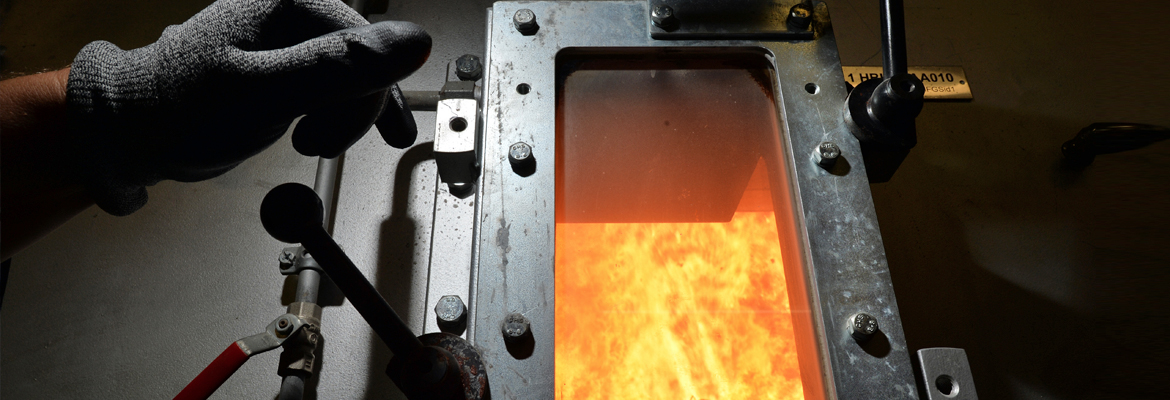
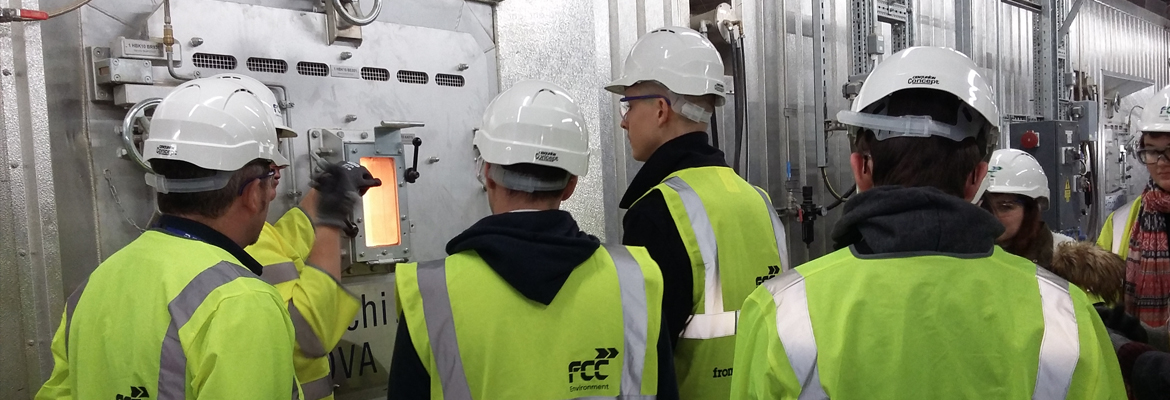
Greatmoor EfW has an on-site visitor centre which hosts site tours of the facility for local community groups and schools. Tours includes showing visitors the control room to demonstrate how the plant is operated, along with views of waste tipping into the bunker, and loading the system by the large grab crane. Visitors can also look inside the furnace inspection hatch to see waste being burnt.
As well as hosting on-site tours, FCC also carry out outreach visits to schools and other organisations within the county. The Waste Awareness and Education Manager attends school classes and assemblies to educate and raise awareness about recycling and waste management.
7.1 Greatmoor EfW Visitor Centre
The headline figures for 2021–22:
- 892 Visitors
- 94 Tours
- 512 attended Outreach Events
- 264 attended on-line sessions
- 91.9% Excellent or Very Good feedback across 6 key questions
During the contract year there were a total of 892 people attended at the Visitor Centre over 94 tours.
| 1st April 2021-31st March 2022 | |
|---|---|
| Adult Visitors | 583 |
| Under 16s | 309 |
| Total Visitors | 892 |
| No of Tours | 94 |
Covid 19 impacted tours in the first six months of the contract year, with community visits to Greatmoor recommencing in September 2021. When the total number of visitors is broken down, the majority of visits came from the local community in Buckinghamshire and schools/higher education establishments, making up 87% of visitors, as demonstrated in Figure 5.
7.2 Outreach visits
At the beginning of the contract year the Education Manager was only able to offer on-line sessions to schools and community groups. Then as with the visits to Greatmoor, they were able to offer outreach talks and visits from September onwards.
Nine on-line sessions were held, engaging with 264 people (Table 10), highlighting that there was still an interest in learning about the EfW and waste management, despite access to schools etc. being restricted. Once in person outreach visits recommenced, 13 were undertaken to raise awareness on waste prevention, reuse and recycling. Once access to the EfW became available again, a total of 776 people took part in the outreach visits (Table 11).
|
Type of Visit
|
No of Session
|
No of Under 16s
|
No of Adults
|
|---|---|---|---|
| Primary Schools | 3 | 134 | 5 |
| Secondary Schools | 5 | 95 | 8 |
| Community Groups | 1 | 0 | 22 |
| Total | 9 | 229 | 35 |
|
Type of Visit
|
No of Visits
|
No of Under 16s
|
No of Adults
|
No of Assemblies
|
No of Activity Sessions
|
|---|---|---|---|---|---|
| Primary Schools | 3 | 153 | 52 | 0 | 3 |
| Secondary Schools | 1 | 15 | 8 | 0 | 0 |
| Bucks Skills Show | 1 | 20 | 24 | 0 | 0 |
| Community Groups | 8 | 11 | 229 | 7 | 0 |
| Total | 13 | 199 | 313 | 7 | 3 |
7.3 Summary of visitor feedback
FCC encourages feedback from those visiting Greatmoor EfW by providing feedback forms after tours. The information gathered in these forms is used to highlight positive comments and also identify areas for improvement, to continuously focus on delivering the best service possible. Feedback from visitors has been excellent throughout the year, with positive comments regarding the structure of the visits and suitable levels of detail for the audience, providing attendees with a classroom overview to gain an initial understanding followed by seeing the plant in action. This is demonstrated in Table 12, where feedback for the categories listed was consistently excellent or very good. Visitor feedback has also shown commitment to change behaviours towards recycling, reuse and waste minimisation.
| Tour Section | % Excellent or Very Good 2021-2022 |
|---|---|
| Introduction | 98 |
| Guided Tour | 98 |
| Visitor Centre Facilities | 89 |
| Visitor Centre Staff | 99 |
| Information provided before visit | 84 |
| Greatmoor website | 83 |
7.4 Local Employment
There are a total of 52 members of staff working on the Contract, 46 at Greatmoor EfW and 6 at High Heavens WTS. 58% of the staff employed on the contract live within Buckinghamshire itself, with others from the local surrounding areas of Oxfordshire, Northamptonshire and Berkshire. There are a small number of staff who travel from outside of the local vicinity of the contract but the majority are from the area demonstrating good levels of local employment. Contract staff required for the Outage are recruited via a local agency from the local area.
7.5 Liaison Group meetings
Since April 2021 there have been four Greatmoor Community Liaison Group (CLG) meetings. The meetings occur regularly and from Service Commencement have been held in conjunction with the Calvert Landfill Community Liaison Group. These sessions are attended by local residents, parish councillors, interest groups, EA officers, councillors and FCC. The Greatmoor CLG is an opportunity for members to ask questions in relation to the EfW and raise issues of concern.

8.0 Conclusion
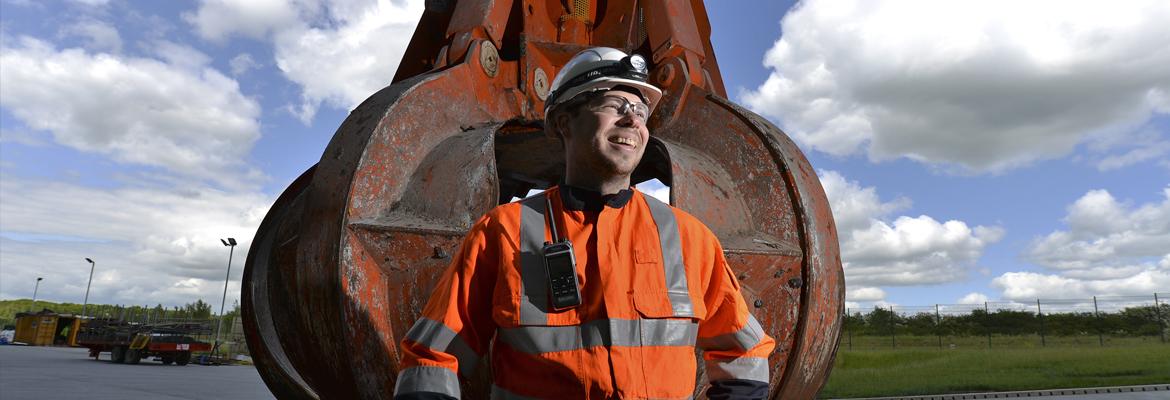
The sixth contract year has built on the successes of the past. Judicious investment, maintenance and operational decisions made in previous years are starting to pay dividends as seen by the improved reliability and hence enhanced performance.
FCC Environment is proud to report that we have continued to operate and maintain the Greatmoor EfW and High Heavens WTS facilities safely and with the utmost respect for the environment. The facilities continue to out-perform the expectations set out in the base case model.
High Heavens WTS operational availability has remained 100% for household residual waste deliveries. Greatmoor EfW operational availability achieved 94.3%, which was 5.3% above the base case (and 7 % better than the previous year) and so helped towards extra income for profit share and is a considerable achievement. Profitability was helped by rising electricity prices and solid base of 3rd party waste suppliers ensuring continuity in fuel supply.
Once again, both Greatmoor EfW and High Heavens WTS have met, or exceeded, all the requirements of their respective Environment PPC Permits throughout this contract year. This ongoing success further demonstrates FCC Environment’s credibility as a responsible operator and commitment to operating all plant and facilities within national regulations and guidelines.
High Heavens WTS continues to provide a significant reduction in waste transport mileage by bulking waste to be delivered to Greatmoor EfW.
In 2021, FCC Environment carried out a successful EfW plant outage achieving all the required, mandated and elective maintenance work, without accident or environmental incident and returned the plant back to operations successfully. This outage contributed (along with high standards of operation and maintenance) to a sustained period of 100% availability and longest waste to waste run in the plant’s history at 293 days.
The gradual reductions in COVID related restrictions has seen the resumption of physical visits to the Greatmoor site. The visitor centre has also been developed with the addition of an interactive whiteboard displaying real time plant information.
Yet again neither Greatmoor EfW nor High Heavens WTS have had a single Lost Time Accident for either FCC Environment employees or their contractor partners in this contract year. However, again and regrettably, there have been some minor accidents resulting in harm to workers on site. FCC Environment believe that all accidents are avoidable and are committed to protecting their staff, contractors and site visitors: as a result all accidents were investigated and there is a continuous overview looking for common causes or threads.
For more information about FCC Greatmoor, please visit https://www.greatmoor.co.uk
For more information about FCC Environment, please visit https://www.fccenvironment.co.uk/
For more information about Energy from Waste from Buckinghamshire Council, please visit https://www.buckscc.gov.uk/services/waste-and-recycling/energy-from-waste/