


Contents
- 1.0 Introduction
- 2.0 Waste management
- 3.0 High Heavens Waste Transfer Station 3.1 Background 3.2 Waste inputs 3.3 Waste outputs 3.4 Waste transfer 3.5 Environmental management 3.6 Complaints
- 4.0 Greatmoor EfW 4.1 Background 4.2 Waste inputs 4.3 Waste outputs 4.4 Environmental management 4.5 Complaints
1.0 Introduction
Buckinghamshire Council Waste Management Project
Annual Service Report
Contract Year 7
1st April 2022 – 31st March 2023
Whilst less impressive than the 2021/22 contract year, the 2022/23 contract year has, despite a recurrent technical issue, exceeded base case assumptions for waste burnt and electricity generated.
This performance coupled with the sustained elevated electricity price has led to a significant over performance when compared to base case revenue generation.
There were 3 significant periods of forced outage this year. Two periods relating to the bottom ash conveyor totalling 307hours and 28 minutes, and one relating to significant slag/clinker forming on the boiler walls and then falling damaging the grate and blocking the ash extractor (222hrs 43 minutes). The bottom ash conveyor is due to be refurbished in the 2023 outage and the slag/clinker formation is partly due to excess air in the boiler due to casing perforations (also due for replacement in 2023) and Combustion Control System requiring re-baselining after 6 years of operation and a subtle but significant change in waste composition post COVID.
During the seventh contract year
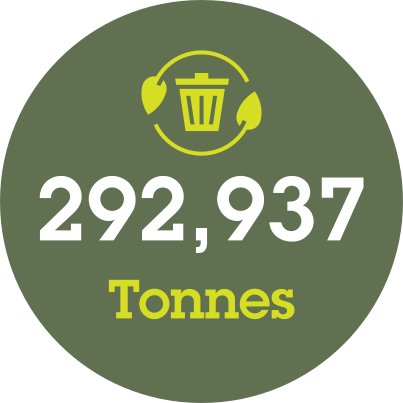
of residual waste were processed for energy recovery, with 110,476 tonnes of waste processed directly from BC.
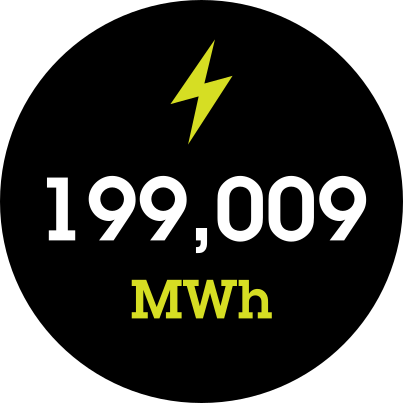
of electrical power was exported to the National Grid system - over 25,000 MWh above the base case assumption.
were welcomed to the Visitor Centre as part of 143 separate tours.
The operation of High Heavens WTS saved an estimated 155,040 delivery miles to Greatmoor EfW.
0.8% below the base case model of 89.0%.

The average turnaround time at both sites was under 8 minutes (weighbridge to weighbridge).
2.0 Waste management
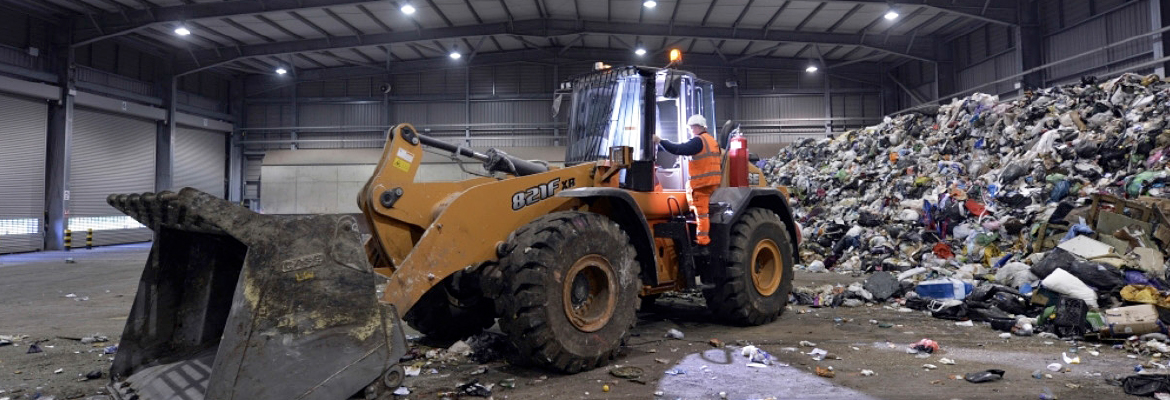
Total waste volumes handled
During this contract year, FCC Environment have processed 292,937 tonnes of residual waste across both facilities. BC Contract Waste was delivered by all the Buckinghamshire Kerbside Teams and also from Household Recycling Centres (HRC). Bulky waste from the Kerbside collections, as well as HRCs, is shredded and delivered to Greatmoor EfW via High Heavens Waste Transfer Station (WTS), reducing waste that would otherwise be sent to landfill. In addition to BC Contract Waste, Greatmoor EfW also receives Third Party Residual waste. A full summary of the total waste inputs across both facilities is featured in Table 1.
| Waste inputs | Tonnes |
|---|---|
| Aylesbury Vale Area | 35,484 |
| Household Recycling Centres | 3,793 |
| High Heavens WTS | 71,199 |
| Total BC Inputs | 110,476 |
| Third Party Residual Waste | 182,461 |
| Total inputs to Greatmoor EfW | 292,937 |
3.0 High Heavens Waste Transfer Station
3.1 Background
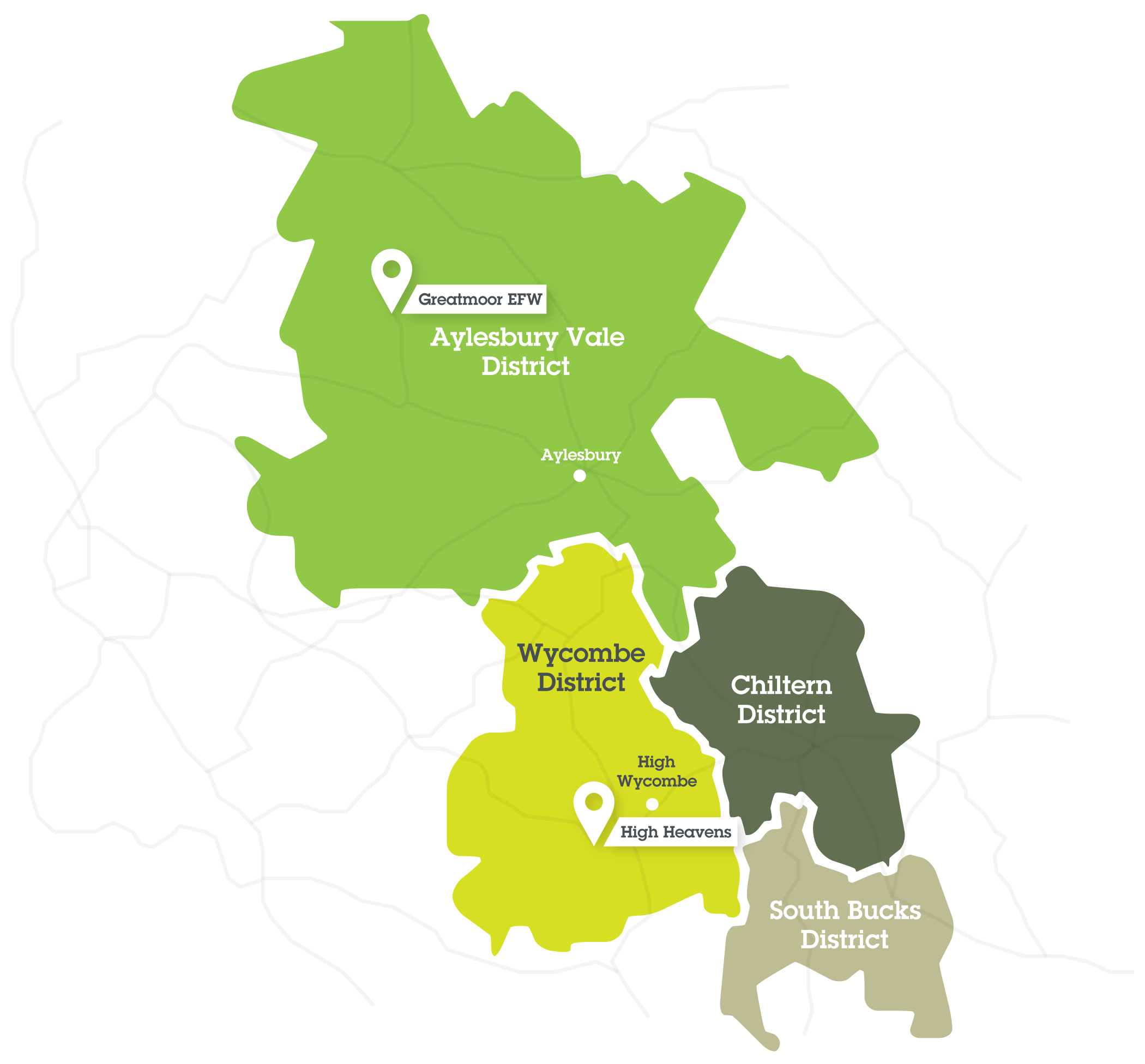
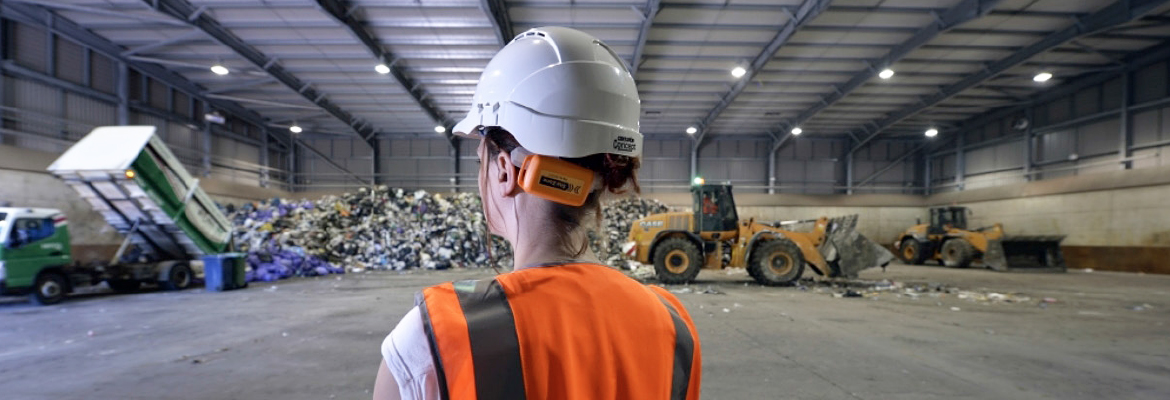
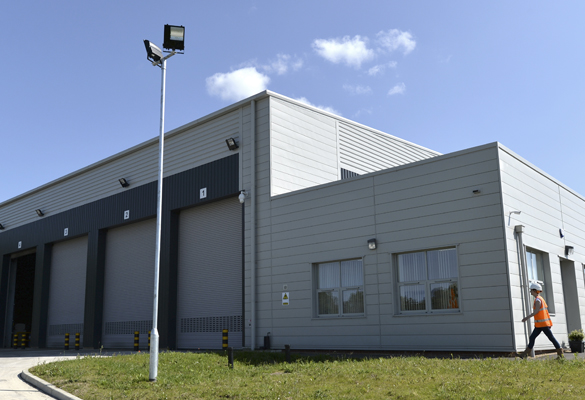
High Heavens WTS is situated at the High Heavens Waste Treatment Complex in High Wycombe, located to the south of the county. This BC waste treatment complex contains several waste operations and the WTS was developed specifically for residual waste.
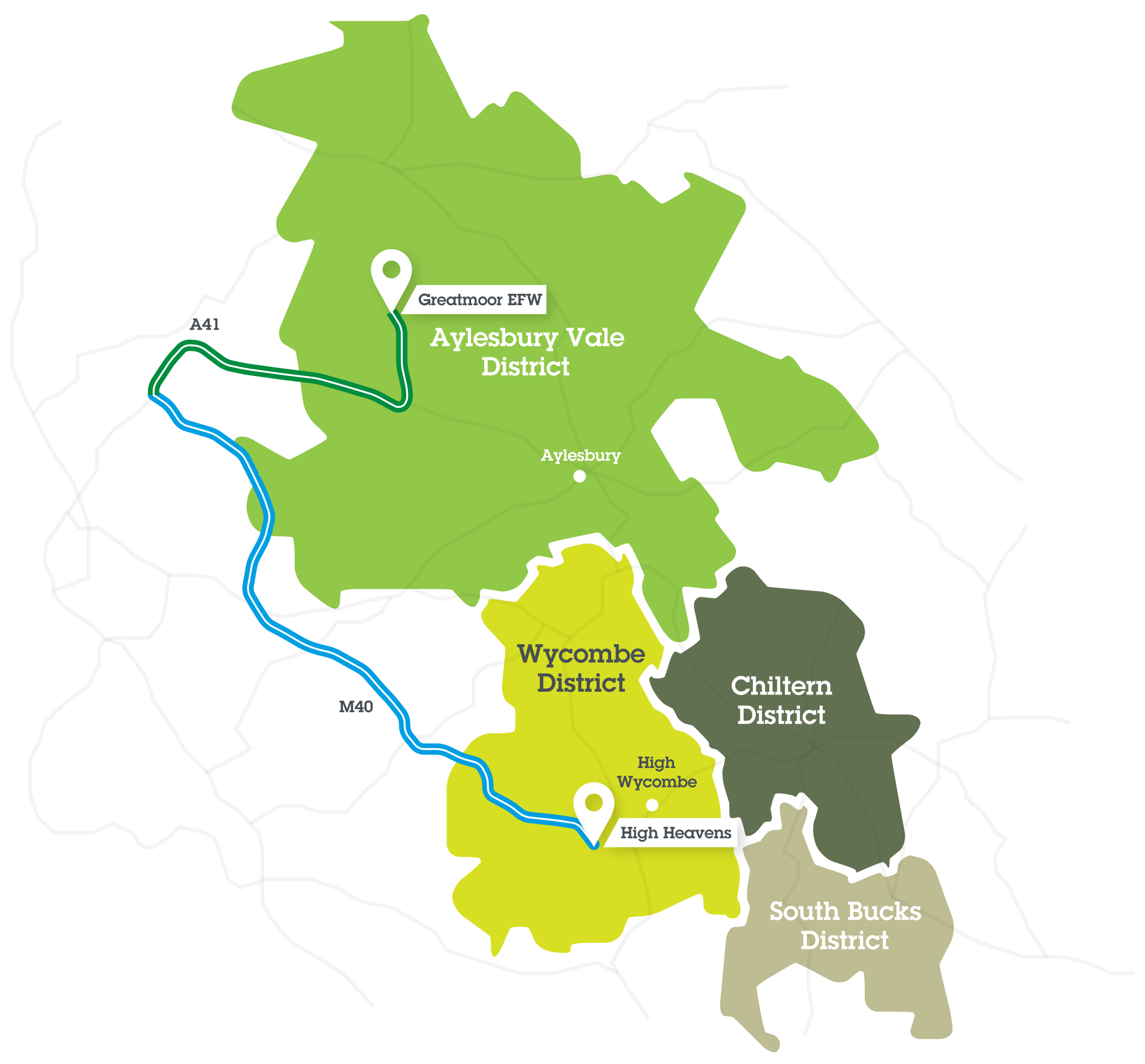
The WTS was constructed and commissioned by FCC Environment and entered into commercial operation in November 2015, in advance of the original June 2016 handover. It is used as the local delivery point by the Southern kerbside teams and HRCs to transfer residual waste to be processed at Greatmoor EfW. Waste is loaded onto articulated vehicles to transfer to Greatmoor EfW, reducing the number of transport miles required, compared with RCVs delivering directly to the EfW facility. This also reduces the time, costs and associated environmental impacts of the service, allowing the waste services to operate more efficiently in the areas that are needed. As a condition of planning permission, there is a designated transport route (45.3 miles) between High Heavens WTS and Greatmoor EfW, which maximises the use of major roads and motorways whilst reducing the use of minor roads that are not suitable for larger vehicles.
3.2 Waste inputs
During this contract year, High Heavens WTS processed over 71,309 tonnes of residual waste, demonstrating the benefits of bulking waste from a highly populated region. Table 2 identifies the amount of waste delivered to High Heavens WTS by supplier.
| Waste inputs | Tonnes |
|---|---|
| South Kerbside | 59,815 |
| Aylesbury Vale Area | 22 |
| Household Recycling Centre Residual | 7,107 |
| Contaminated IN ex HH GFBW FCC | 36 |
| Shredded Bulky Waste | 4,329 |
| Total | 71,309 |
3.3 Waste outputs
The majority of waste from High Heavens WTS is bulked residual waste destined for Greatmoor EfW.
No ad-hoc waste was delivered into High Heavens in the contract year.
3.4 Waste transfer
Transport savings through bulk transfer of waste from High Heavens WTS
FCC Environment transfers waste between High Heavens WTS and Greatmoor EfW using their own haulage vehicles.
Bulking operations of BC Contract Waste at High Heavens WTS successfully reduced transportation miles by 155,040 miles during this contract year. The breakdown of this is shown in Table 3.
The transportation saving is calculated by analysing the delivery tonnes and mileage travelled from each location and adding the bulking transfer mileage to Greatmoor EfW. The transportation mileage saving takes into account a predetermined route (45.3 Miles) from High Heavens WTS to Greatmoor EfW, as defined in the planning permission. We have used the theoretical vehicle mileage for direct deliveries into Greatmoor EfW, rather than the actual mileage to High Heavens WTS.
Since year 3 of the contract (April 2018 to March 2023), the average residual waste payload collected from High Heavens WTS improved by 2.4%, from 23.93t to 24.53t per collection. The improved payload is part of High Heavens WTS commitment to continual improvement in the area of transport savings by reducing the number of deliveries required throughout the year.
| Waste transferred | Vehicle movements saved | Miles saved due to bulk transfer of waste from High Heavens WTS |
|---|---|---|
| South Kerbside | 12,187 | 138,146 |
| Household Recycling Centre Residual | 692 | 12,462 |
| Shredded bulky waste | 106 | 4,432 |
| Total | 12,984 | 155,040 |
3.5 Environmental management
High Heavens WTS operates under a Pollution Prevention and Control permit (PPC number XP3091ER) issued by the Environment Agency. There were no PPC permit breaches during this contract year.

3.6 Complaints
No complaints were raised during the contract year at High Heavens WTS.
4.0 Greatmoor EfW
4.1 Background
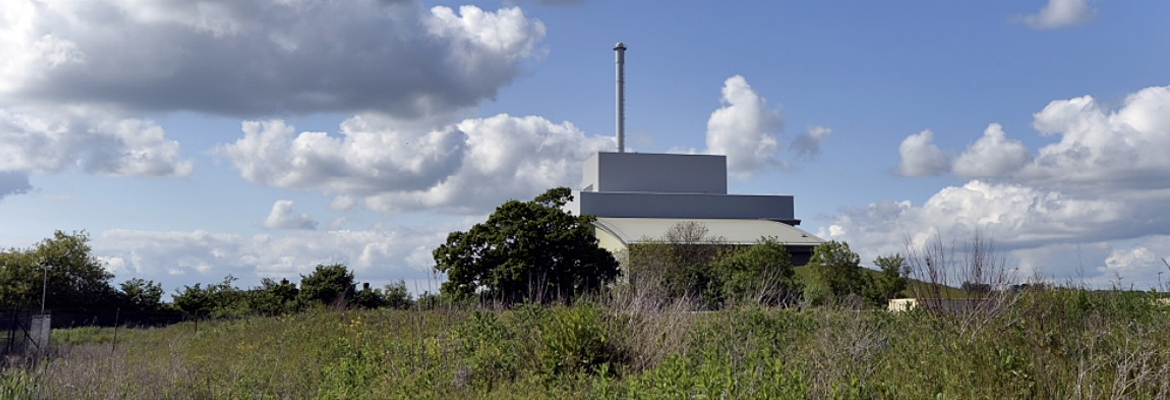
FCC Environment operate and maintain the Greatmoor EfW facility that is located to the north of Buckinghamshire County and adjacent to the FCC Environment Calvert Landfill site. Construction of the EfW plant commenced in September 2013 and the plant became fully operational in June 2016.
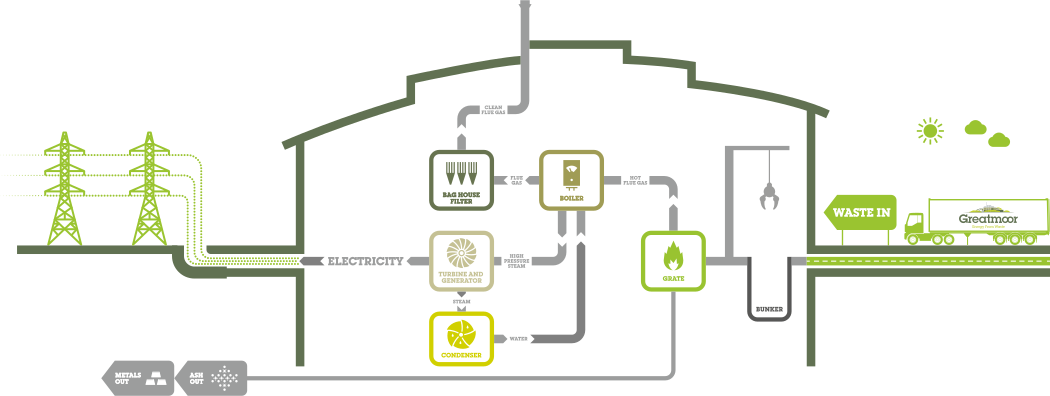
Greatmoor EfW processes non-recyclable household residual waste that would have previously been sent to landfill for disposal. The process involves incinerating the waste to recover energy, which then heats a boiler to produce high pressure, high temperature steam. This steam is used to drive a Steam Turbine Generator to generate enough electricity to power over 40,000 homes.
The EfW process generates by-products (residues), such as ash and combustion exhaust gases. The Incinerator Bottom Ash (IBA) is removed after the combustion stage and is continually inspected, with all non-combustible materials separated and recycled, with the remaining ash used as landfill aggregate. The Air Pollution Control residues (APCr or Fly Ash) produced are removed from the combustion exhaust gases and sent to a facility to be neutralised before being landfilled. Combustion exhaust gases are treated through a complex Flue Gas Treatment (FGT) process that removes harmful emissions before being released to the atmosphere. All emissions to the atmosphere are rigorously controlled and managed by the onsite team and continually monitored by the Environment Agency.
The process of producing Energy from Waste
4.2 Waste inputs
A total of 293,316 tonnes of household residual waste were delivered and processed at Greatmoor EfW during this contract year.
The breakdown of waste inputs is presented in Table 4.
| Waste inputs | Tonnes |
|---|---|
| Aylesbury Vale Area | 35,372 |
| Household Recycling Centres | 3,793 |
| High Heavens Waste Transfer Station | 71,199 |
| Total BC inputs | 110,364 |
| Third Party Residual Waste | 182,951 |
| Total inputs to Greatmoor EfW | 293,316 |
4.3 Waste outputs
Power generation
The Steam Turbine Generator is designed to generate up to 32.8 megawatts (MW) of electrical power. Although the boiler and feed system are not designed to be able to sustain this level of output for anything other than short periods.
The facility house load can be up to 6 MW (but is generally around 3 MW) and so, on average, a consistent 26 MW of power is exported to the National Grid system. The contract base case expected exports of 23 MW of electrical power and the measurement of how many MW are generated over the specified amount of time is referred to as Megawatt hours (MWh). In this contract year Greatmoor EfW exported 199,009 MWh of electrical generation.
The amount of electricity generated naturally varies over the contract year, as highlighted in Figure 1. This is due to changing ambient air temperature and wind direction (affecting the efficiency of the Air Cooled Condenser). More significant dips in amount of power exported are due to planned and unplanned outages (see Section 6, Table 9).
Residual outputs
From the 293,426 tonnes of residual waste treated at Greatmoor EfW, 71,844 tonnes of ash and residues were removed from the process, representing approximately 24.4% of all waste handled sent for landfill disposal. Table 5 provides a breakdown of residual waste outputs from Greatmoor EfW during the contract year.
Non-conforming waste materials are unsuitable for the EfW process and are removed during the pre- sorting and inspection stages. These materials are removed from the waste source to prevent impacting on the plant’s combustion efficiency and emissions control. As highlighted above, the volume of non-conforming waste material received at Greatmoor EfW is low and FCC Environment have waste inspection procedures to ensure the amount of non-conforming waste from Buckinghamshire Council and Third Party suppliers remains low.
| Waste outputs | Tonnes |
|---|---|
| APCr (Before treatment) | 7,742 |
| IBA (Before separation) | 64,094 |
| Non-conforming waste | 8 |
| Total outputs | 71,844 |
4.4 Environmental management
Greatmoor EFW is regulated by the Environment Agency under the Environmental Permit reference EPR/UP3734HT. On 16th March 2023 the Permit was varied by the Environment Agency to incorporate industry-wide changes as a result of Best Available Technique (BAT) conclusions. Three Improvement Conditions have been added and various changes to emission limit values that will apply from 3rd December 2023.
EfW plants incorporate abatement technology to control the emissions to atmosphere. Greatmoor EfW has Continuous Emissions Monitoring (CEMS) equipment installed in the exhaust gas system to constantly monitor for harmful emissions. This real time data is recorded and presented to the Environment Agency as evidence that the facility complies with the PPC emissions limits. The Greatmoor EfW operations staff continually analyse the CEMS emissions data to ensure the plant is operated with PPC regulations. If there is any approach to these limits, the operator will take action to prevent an environmental incident ensuring the requirements of the Environmental Permit are maintained.
IBA and APCr residues are periodically inspected and tested by an independent UKAS accredited laboratory to ensure the residue characterisation has not changed and is being appropriately managed.
The PPC Permit UP3734HT requires FCC Environment to prepare and submit quarterly and annual reports detailing the facility’s environmental performance. Regardless of this requirement, FCC Environment proactively manages the facility’s environmental performance with the Environment Agency in real time. As demonstrated in the following section, there were no Permit breaches at Greatmoor EfW during the contract year.
Permit monitoring requirements
The emission monitoring requirements are set out in Schedule 3 of the PPC Permit. There are two types of substance emissions monitoring, continuous (all the time) and periodic (bi-annually).
Continuously monitored emissions are measured using CEMs technology. Exhaust gas sample probes extract concentration samples that analyse and measure each emission parameter. This information automatically updates on the plant control system and is recorded in a dedicated read only data acquisition system. The facility operations team constantly monitor this CEMS data against the plant performance.
Periodic extractive sampling is carried out twice a year by a competent UKAS accredited specialist contractor. Extractive exhaust gas samples are removed independently from the CEMS equipment and analysed in laboratory conditions.
| Substance | Continuously | Periodically |
|---|---|---|
| Particulates | ✔ | |
| Total organic carbon | ✔ | |
| Hydrogen chloride | ✔ | |
| Carbon monoxide | ✔ | |
| Sulphur dioxide | ✔ | |
| Nitrogen oxides | ✔ | |
| Ammonia | ✔ | |
| Nitrous oxide | ✔ | |
| Hydrogen fluoride | ✔ | |
| Cadmium & Thallium | ✔ | |
| Mercury | ✔ | |
| Heavy metals | ✔ | |
| Dioxins and furans | ✔ |
Emissions limits
The Environmental Permit specifies Emission Limit Values (ELV) for all emission substance monitoring. The plant emissions must not exceed these limits to ensure compliance. In the event of plant abnormal operation affecting the emissions to atmosphere above the ELVs, the Environment Agency shall be formally notified. During this contract year no ELVs were exceeded.
The ELVs specified in the Permit refer to half hourly and 24-hour averages displayed in Table 7.
| Substance | Half hour average (mg/m³) | Daily average (mg/m³) |
|---|---|---|
| Particulates | 30 | 10 |
| Hydrogen chloride | 60 | 10 |
| Nitrogen oxides | 400 | 200 |
| Sulphur dioxide | 200 | 50 |
| Total organic carbon | 20 | 10 |
| Substance | 10 min average (mg/m³) | Daily average (mg/m³) |
| Carbon monoxide | 150 | 50 |
Continuous monitoring limits
Figure 2 depicts the maximum concentration percentage half hourly and full daily emission for the period of April 2022 to March 2023 (these are instantaneous values and not average percentage values). The graph shows there were no exceedances of the nominal half hourly ELVs during the reporting period.
Periodic monitoring
A requirement of the PPC Permit is to complete independent stack emission testing for Dioxins, Furans, Cadmium and Thallium, Heavy Metals, Mercury and Hydrogen Fluoride.
Figure 3 depicts the maximum concentration percentage levels of Dioxins and Furans for the period of April 2022 to March 2023. The graph shows that at no point during the contract year did the facility produce Dioxins and Furans that approached or exceeded the ELVs. N.B. these are instantaneous values and not average percentage values.
Figure 4 depicts the maximum concentration percentage levels of Cadmium & Thallium, Heavy Metals, Mercury and Hydrogen Fluoride for the period of April 2022 to March 2023. The graph shows that at no point during the contract year did the facility produce harmful emissions that approached or exceeded the ELVs. N.B these are instantaneous values and not average percentage values.
Summary of Environmental Compliance
In addition to monitoring and reporting emissions to air, FCC Environment has a responsibility to monitor the quality of IBA produced by the facility to ensure the characterisation remains non- hazardous. All data taken and analysed by a UKAS accredited research facility showed that the IBA remains non-hazardous; ensuring the waste fuel and combustion system is as per design.
Greatmoor EfW’s environmental performance has consistently achieved the PPC Permit ELV levels throughout the contract year. Both continuous and periodic monitoring indicates that the EfW facility operates within Environment Agency regulations.
4.5 Complaints
During the contract year there were two complaints raised at Greatmoor EfW.
The first complaint was received in May 2022 from a local farmer, annoyed and frustrated by the constant noise of concrete breaking with pneumatic digger and concrete cutting with circular saw. It was explained to the complainant that this was contract work for HS2 and not related to operation of the EFW at all. After liaising between the Foreman at HS2 and the complainant, the complainant was grateful for all help and the fact that we came out to see him. No further action required.
The second complaint was received in October 2022 when a Parish Clerk called in to complain about fumes being blown over Gawcott Village (a pungent, burning smell). Following investigation, the complainant was contacted with feedback and an invitation to visit site. Because of the emissions scrubbing system a smell of burning is impossible to be emitted from the stack and the CEMS system was online and reading normally. Due to the distance to Gawcott (9.4km) we would expect complaints from closer villages if the source was Greatmoor, but there were no other complaints. Also, the recent wind direction meant that Gawcott was not in the direct path from the site. He was very apologetic but felt that as a parish councillor he had a duty to report the complaint.
5.0 Integrated Management System
FCC Environment operates an Integrated Management System (IMS) to achieve and maintain ISO 9001, ISO 14001, ISO 45001 and ISO 50001 accreditations. Greatmoor EfW and High Heavens WTS are operated and managed under the IMS requirements that have successfully achieved the British Standards Institution accreditations.
5.1 Internal auditing in this contract year
An IMS audit was conducted on 17th October 2022 at High Heavens WTS, with zero NCRs (Non- Conformance Reports) raised.
Greatmoor EfW received a BSI audit on 1st August 2022 and an internal IMS audit (revisit) on the 21st July 2022. Three minor NCRs were issued as a result of the BSI audit, all previous internal IMS NCRs were closed and no new IMS NCRs raised. A summary of all NCRs received during both the internal IMS and external BSI audits during this contract year are provided in Table 8.
| Audit | Summary of NCR | Target |
|---|---|---|
| BSI | The requirements in the training needs evaluation is not fully aligned with the training matrix. | Sep 2022 |
| BSI | Consideration from a lifecycle perspective is not clearly demonstrated and detailed in the Aspects and Impacts form. | Oct 2022 |
| BSI | The process for scoring likelihood and severity in the risk assessment process was not consistent. | Dec 2022 |
6.0 Maintenance Management
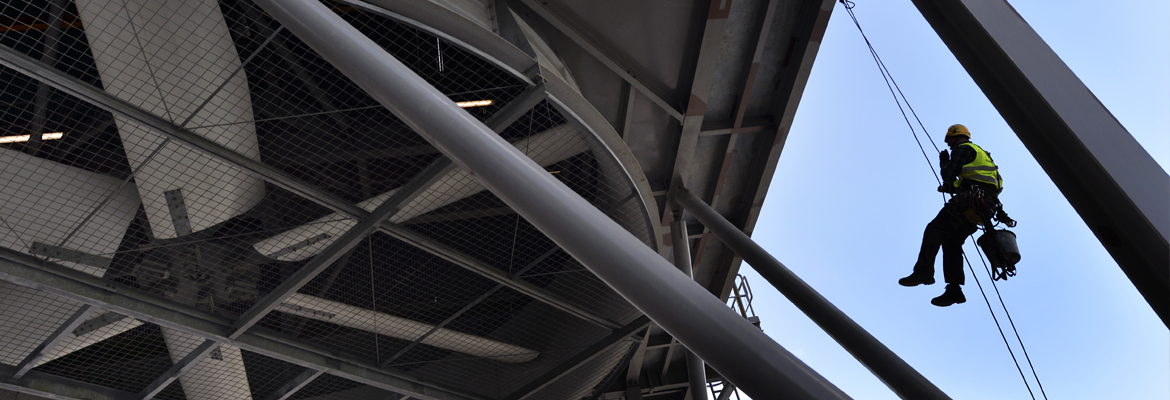
Maintenance management ensures the EfW plant remains reliable, safe to operate and demonstrates compliance with statutory legislation.
During this contract year Greatmoor EFW moved away from AX Dynamics for the maintenance management system and invested in Prometheus Q4 as the main system for controlling maintenance, safety from the system (Safety Rules, Permits etc), inventory control and resource planning. This software package allows for detailed maintenance activity scheduling, tracking and recording of plant history to ensure successful maintenance management. During the contract year, all maintenance activities were carried out in the determined periodicity.
Greatmoor EfW carries out an annual shutdown to undertake lifecycle maintenance and overhaul to maintain plant performance, reliability and safe operation. During this year, the annual shutdown was carried out once again in May but was delayed by 2 weeks compared to previous years to deconflict the Greatmoor Outage with those of other EFWs/power generators to ensure the relevant contract resource was available.
Main works carried out included increasing the amount of Inconel tubing in the 2nd pass of the boiler and trialling a novel ceramic coating on the walls of the 2nd pass. Inconel plating is a tried and tested method of extending boiler tube life but brings many challenges when trying to incorporate the work package into a time constrained Outage. Ceramic coating is more versatile and quicker to apply but has not, as yet, been universally adopted by the industry. This is partially down to cost but also due to a lack of objective evidence to the longevity of the coating. The coating will be subjected to inspection in 2023 and if it is proving to be robust, then further areas will be coated to extend the trial. The biggest single expenditure in the Outage was the replacement of the bottom ash chute the metal was starting to thin (entirely as predicted) and required new panels installing – we also took the opportunity to fit insulation to reduce condensation induced corrosion. Other significant work included replacing the Roof-Top thermocouple with a new high wear resistant design, repairs and maintenance to both the 33kV/11kV and the 11kV/440V transformers (which is only achievable when the plant is offline) and a host of statutory and insurance inspections (eg spring hangers, UPS system, HP steam system, etc). Finally, the opportunity arose to conduct an inspection of a selection of Superheater tubes to gather information as to the best time to replace each bank.
6.1 Maintenance issues
Plant Breakdowns
On occasion the EFW plant will breakdown due to mechanical and electrical faults, resulting in a full plant shut down. Table 9 identifies breakdown failures and downtime hours, with more details on each occurence provided in the following section.
| Date | Breakdown | Returned to service date | Total loss (hours) |
|---|---|---|---|
| 18 Jun 2022 | Bottom Ash Conveyor – gearbox failure | 24 Jun 2022 | 5d 16hr 25’ |
| 4 Nov 2022 | Significant build up and fall of slag/clinker on to grate. Damaged grate bars. | 13 Nov 2022 | 9d 6hr 43’ |
| 16 Jan 2023 | Seized bottom ash extractor conveyor belt. | 22 Jan 2023 | 4d 19hr 14’ |
| Total | 19d 18hr 22’ | ||
Bottom Ash Conveyor – Gearbox Failure
It is suspected that hard boiler ash material (metal or ceramic) jammed in the bottom ash conveyor sprockets or chain links resulting in the motor delivering a high torque that the gearbox could no longer cope with. The repair consisted of the gearbox being replaced and the conveyor cleaned but no obvious ‘smoking gun’ was found with respect to what caused the initial jam. The return to service was partially delayed by a lack of resources available to our preferred industrial cleaning company.
Response to the learning from this event includes:
- All spare gearboxes are being refurbished
- A plan has been developed for the in service Repair by Replacement of the gearbox if required
- Additional companies that can provide on-call cleaners have been identified
- A total rebuild of the bottom ash conveyor has been confirmed for the 2023 Outage
Clinker/Slag Fall
A number of factors, including a change in waste characteristics over the summer, led to, a previously unseen, build-up of slag and clinker on the inside of the boiler walls up to the 18m level (just above the oil burners). Slag formation is part of normal operation and it usually breaks up when it gets to 15cm to 20cm thick. Generally soft in nature it is easily dealt with by the grate/ash extractor. However, in this instance a harder clinker like substance was forming which was 50 to 100cm. When this thicker slag started to partially detach from the walls it blocked the fall off into the ash extractor and so required the unit to be taken off load and cooled down to allow personnel onto the grate to break it up into manageable pieces. Whilst off, the opportunity was taken to remove all the slag on the other walls, at which point it was noticed there was damage to both the refractory and the grate that needed repairing before the unit was returned to service.
Response to the learning from this event includes:
- The amount of plastic in the waste from key suppliers assessed and those with significant levels were placed lower down the priority list for deliveries into site.
- The Combustion Control System (CCS) was reset to 2018 parameters, since it was thought that a series of non incremental changes may have burn characteristics within the boiler.
- The OEM was contracted to look at the key characteristics of the CCS and make recommendations on optimising the burn. The recommendations have been received and implemented.
- It was identified that each Plant Operator had subtly different perspectives on grate management – so the continuation training was adjusted in light of this event.
Bottom Ash Conveyor – Seizure
The left-hand drive-end sprockets had moved 30 mm laterally (outwards) on the drive shaft and had seized in this position. The displacement caused wear on the sprockets to the point where they failed. The failure was accelerated by the guide vanes at the top of the extractor also mechanically failing (as a result of some large oversized material impacting on them) and dropping down and wedging on the conveyor causing additional strain. No obvious reason could be identified for the sprockets to have drifted from their design position – though it is postulated that the gradual drift may have played a part in the failure of the gearbox in July.
An alignment check of the conveyor was already planned for 2023 outage in case misalignment was placing lateral strain on the sprockets. During the repair the Guide vanes were replaced; a new design of casing is being considered to reduce the potential for oversize material to rub on the casing roof.
7.0 Community liaison
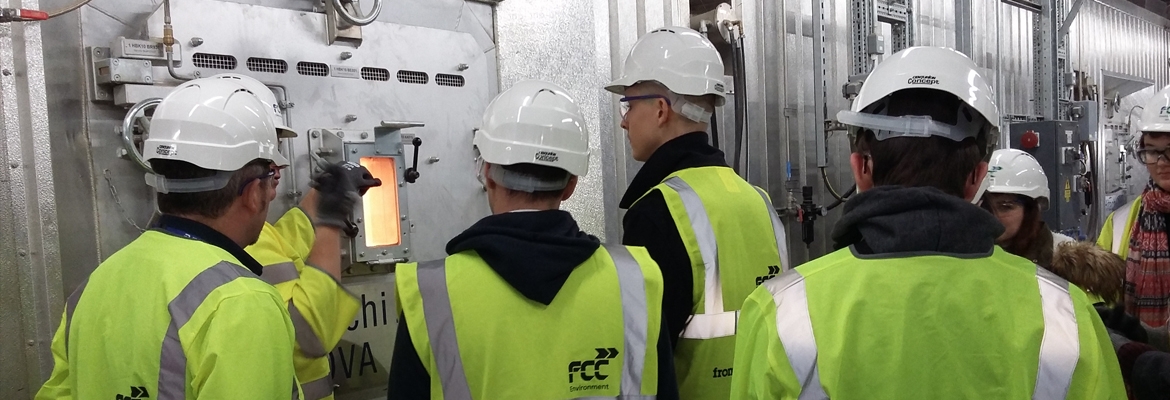
FCC employs a dedicated Waste Awareness and Education Manager with the aim to raise public awareness of waste issues, including waste prevention, reuse and recycling through educational initiatives.
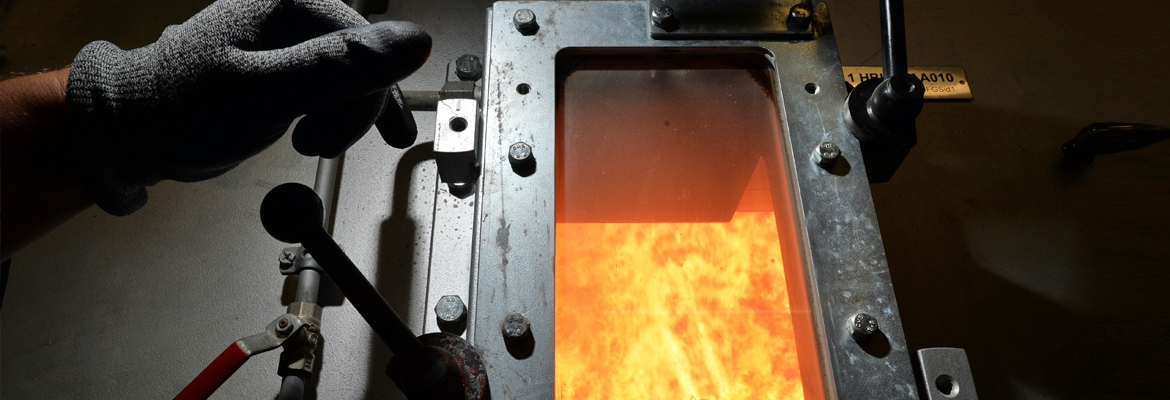
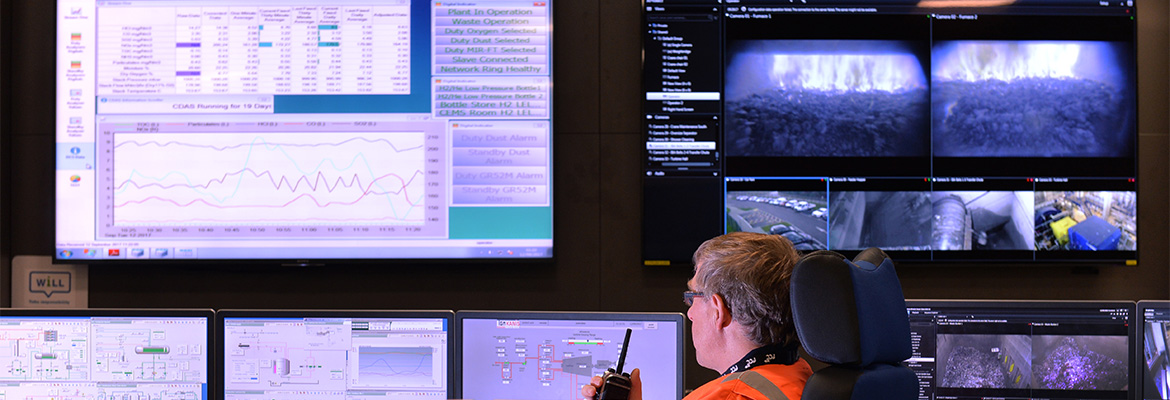
Greatmoor EfW has an on-site visitor centre which hosts site tours of the facility for local community groups and schools. Tours includes showing visitors the control room to demonstrate how the plant is operated, along with views of waste tipping into the bunker, and loading the system by the large grab crane. Visitors can also look inside the furnace inspection hatch to see waste being burnt.
As well as hosting on-site tours, FCC also carry out outreach visits to schools and other organisations within the county. The Waste Awareness and Education Manager attends school classes and assemblies to educate and raise awareness about recycling and waste management.
7.1 Greatmoor EfW Visitor Centre
The headline figures for 2022–23:
- 1,412 Visitors
- 143 Tours
- 3,571 attendees to Outreach Events
- 94.95% Excellent or Very Good feedback from visitors, across 6 key questions
During the contract year there were a total of 1,412 people attended at the Visitor Centre over 143 tours.
| 1st April 2022-31st March 2023 | |
|---|---|
| Adult Visitors | 813 |
| Under 16s | 599 |
| Total Visitors | 1,412 |
| No of Tours | 143 |
7.2 Outreach visits
This year we started delivering a Plastic Free Schools project in partnership with Buckinghamshire Council and the FCC Household Waste Sites Team. 12 of the primary school sessions were part of this project.
|
Type of Visit
|
No of Visits
|
No of Under 16s
|
No of Adults
|
No of Assemblies
|
No of Activity Sessions
|
|---|---|---|---|---|---|
| Primary Schools | 18 | 2119 | 94 | 10 | 13 |
| Secondary Schools | 3 | 440 | 22 | 2 | 8 |
| Careers Events | 4 | 140 | 60 | 0 | 0 |
| Community Groups | 19 | 24 | 551 | 17 | 2 |
| Community Events | 1 | 26 | 26 | 0 | 0 |
| Total | 44 | 2749 | 822 | 29 | 23 |
7.3 Summary of visitor feedback
FCC encourages feedback from those visiting Greatmoor EfW by providing feedback forms after tours to highlight positive feedback and also identify areas for improvement to continuously focus on delivering the best service possible. Feedback from visitors has been excellent, comments included the structure of the visits and suitable levels of detail for the audience providing attendees with a classroom overview to gain an initial understanding followed by seeing the plant in action. Visitor feedback has also shown commitment to change behaviours towards recycling, reuse and waste minimisation.
| Tour Section | % Excellent or Very Good 2022-2023 |
|---|---|
| Introduction | 99 |
| Guided Tour | 98 |
| Visitor Centre Facilities | 96 |
| Visitor Centre Staff | 100 |
| Information provided before visit | 87 |
| Greatmoor website | 89 |
7.4 Local Employment
There are a total of 52 members of staff working on the Contract, 46 at Greatmoor EfW and 6 at High Heavens WTS. 63% of the staff employed on the contract live within Buckinghamshire itself, with others from the local surrounding areas of Oxfordshire, Northamptonshire and Berkshire. There are a currently no staff who travel from outside of the local vicinity of the contract, so the majority are from the area demonstrating good levels of local employment. Contract staff required for the Outage are recruited via a local agency from the local area.
7.5 Liaison Group meetings
Since April 2022 there have been two Greatmoor Community Liaison Group (CLG) meetings. The meetings occur regularly and from Service Commencement have been held in conjunction with the Calvert Landfill Community Liaison Group. These sessions are attended by local residents, parish councillors, interest groups, EA officers, councillors and FCC. The Greatmoor CLG is an opportunity for members to ask questions in relation to the EfW and raise issues of concern. One planned CLG was cancelled at short notice at the request of the chair of the CLG due the death of Her Majesty Queen Elizabeth II.

8.0 Conclusion
Once again, the seventh contract year has built on the successes of the past. Despite 3 significant forced outages and the loss of nearly 20 operational days the facilities continue to out-perform the expectations set out in the base case model.
FCC Environment is proud to report that we have continued to operate and maintain the Greatmoor EfW and High Heavens WTS facilities safely and with the utmost respect for the environment.
High Heavens WTS operational availability has remained 100% for household residual waste deliveries. Greatmoor EfW operational availability achieved 88.2%, which was 0.8% below the base case (a similar level of performance to 2020) but with waste throughputs considerably in excess of the base case assumptions and judicious electricity trading, income for profit share remain higher than predicted. Profitability continued to be helped by the sustained high electricity prices and a solid base of 3rd party waste suppliers ensuring continuity in fuel supply.
Once again, both Greatmoor EfW and High Heavens WTS have met, or exceeded, all the requirements of their respective Environment PPC Permits throughout this contract year. This ongoing success further demonstrates FCC Environment’s credibility as a responsible operator and commitment to operating all plant and facilities within national regulations and guidelines.
High Heavens WTS continues to provide a significant reduction in waste transport mileage by bulking waste to be delivered to Greatmoor EfW.
In 2022, FCC Environment carried out a successful EfW plant outage achieving all the required, mandated and elective maintenance work, without accident or environmental incident and returned the plant back to operations successfully on time. Whilst the hard work and improvements delivered in the Outage are not reflected in the average performance of the plant over the contract year, much has been done to establish a strong foundation for future improved performance. In particular the use of ceramic coatings on the boiler tubes potentially offers some exciting opportunities.
Visitor numbers are approaching those of pre-COVID times and the feedback from all categories of visitor is consistently positive reflecting the high standard of education being delivered. The visitor centre also continues to be developed with the addition of more touch screens.
Yet again neither Greatmoor EfW nor High Heavens WTS have had a single Lost Time Accident for either FCC Environment employees or their contractor partners in this contract year. However, again and regrettably, there have been some minor accidents resulting in harm to workers on site. FCC Environment believe that all accidents are avoidable and are committed to protecting their staff, contractors and site visitors: as a result all accidents were investigated and there is a continuous overview looking for common causes or threads. This year has also seen the addition of a full time Safety Coach based at, and dedicated to, Greatmoor who reports directly to the Safety Manager (who is shared with another FCC site).
For more information about FCC Greatmoor, please visit https://www.greatmoor.co.uk/
For more information about FCC Environment, please visit https://www.fccenvironment.co.uk/
For more information about Buckinghamshire Council, please visit https://www.buckinghamshire.gov.uk/